


Why a Nail Lifts and Darkens: Causes and Care Tips
Onycholysis is when the nail separates from the nail bed, often turning pale, yellow, or green. Learn common causes, warning signs, and practical steps to protect your nails.
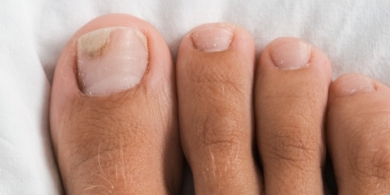
Onycholysis is the separation of the nail plate from the nail bed. It can affect one or more nails and may cause the exposed area to look pale, yellow, or green as air enters the gap. The condition is usually painless but can signal underlying health issues and should be checked if it lasts.
What is onycholysis?
Onycholysis occurs when the nail plate lifts away from the underlying skin. The gap creates air exposure that changes the nail’s color and texture. In most cases, the issue is a symptom, not a disease, and resolves after the underlying cause is addressed.
How it presents
- White, gray, yellow, or green areas under the nail.
- A distinct boundary between the pink nail and the lifted portion.
- Ridges or indentations on the nail surface.
- Thickened skin under the nail (hyperkeratosis).
- Subungual bleeding after trauma.
- Redness or tenderness if infection is present.

Causes of onycholysis
Several factors can trigger nail separation. Common causes include:
- Trauma: bumps, pressure, or repeated friction. Even habits like tapping nails on a keyboard or tight footwear can gradually damage the nail bed. Long nails are especially vulnerable as they act like levers and may pull away skin with awkward movements.
- Manicure products: aggressive filing, under-nail shaping, UV exposure, and solvents may irritate the skin around the nail. Some nail products contain formaldehyde that can cause an allergic reaction.
- Medications: certain drugs such as tetracyclines or retinoids can increase sensitivity to sunlight, occasionally causing photo-onycholysis.
- Fungal or bacterial infections: these infections inflame and damage the nail bed, causing the plate to lose support. More common in hands or feet exposed to moisture for long periods (bar staff, servers, healthcare workers).
- Chronic diseases: psoriasis, lichen planus, hyperthyroidism, anemia, and diabetes can disrupt skin and nail metabolism and growth.
- Genetics: a rare hereditary condition known as distal onycholysis may accompany cold sensitivity and sweaty palms.
How it develops
The process starts with the attachment between the nail plate and the nail bed weakening. It can begin after a trauma, chemical exposure, or infection and progressively creates a gap that air and moisture fill, worsening the separation.
Without treatment, the detached area may enlarge, the nail may become brittle or deformed, and the nail bed under the nail can shrink, making regrowth difficult.
Types of onycholysis
Causes are usually classified as:
- Primary (idiopathic) onycholysis: when no clear cause is found.
- Secondary onycholysis: due to trauma, infection, systemic disease, or drugs.
Additionally, the pattern of separation is described as:
- Distal onycholysis: starts at the free edge and moves toward the nail bed center—most common and typically less concerning.
- Proximal onycholysis: begins near the cuticle and is rarer, often signaling systemic or medication-related problems.
Diagnosis
Doctors usually diagnose by exam, but further tests may be needed to identify the cause, especially if multiple nails are affected or a systemic disease is suspected. Tests can include nail scrapings to check for fungal infection, blood work for systemic conditions, or imaging if needed.
Why it can be dangerous
While pain is uncommon, untreated onycholysis raises infection risk because the open space beneath the nail provides a route for bacteria and fungi. Long-term separation can deform the nail, cause splitting, thickening, or ridges, and in rare cases may lead to permanent nail bed loss where new nails fail to attach.
Important insight: Nail separation is often a sign of an underlying issue, not just a cosmetic problem; early care helps protect your nails and health.
Treatment
Treatment depends on the underlying cause. Physicians aim to remove the trigger—adjusting medications, treating infections, or controlling chronic illnesses. If trauma caused the separation, the affected portion may be trimmed and the nail allowed to regrow while keeping the area clean and dry.
In fungal infections, topical or oral antifungals are used for several months. If bacterial infection is suspected, antibiotics may be prescribed. For inflammatory conditions like psoriasis, topical steroids or systemic therapies may be used. General care includes:
- Keep nails short.
- Avoid moisture and harsh products; wear gloves for chores.
- Avoid nail care procedures until nails recover.
Prevention
Preventing onycholysis focuses on protecting nails and surrounding skin. Key tips include trimming nails short, avoiding nail-biting and excessive filing, and steering clear of formaldehyde-containing polishes. If you regularly use gels or acrylics, give nails a break for a few months.
Limit exposure to water and household cleaners, and wear gloves when cleaning or gardening. For toenails, choose comfortable shoes and breathable socks, keep feet dry, and change socks daily. Manage chronic conditions like diabetes or thyroid issues with professional guidance.
When to see a doctor
Early diagnosis improves recovery chances. Seek medical advice promptly if:
- The nail lifts without a clear cause.
- A new green, brown, or black color appears under the nail.
- You experience pain, throbbing, redness, or swelling around the nail.
- Multiple nails are affected, or there are other symptoms such as fatigue, hair loss, or rashes.
- You have chronic illnesses like diabetes or autoimmune or hormonal disorders.
Also see a doctor if the nail does not improve after several months or if its shape becomes unusual. Some signs may indicate a more serious condition, including tumors.
Do not self-diagnose or treat suspected infections; only a clinician can diagnose and prescribe appropriate therapy.
When to call emergency services
Most cases of onycholysis do not require emergency care. However, contact emergency services (911 in North America or 112 in many other countries) if:
- There are signs of a serious infection: severe pain, spreading redness or swelling, pus, and high fever.
- The nail detaches rapidly alongside weakness, dizziness, or fainting.
- There are signs of poisoning, burns, or a severe allergic reaction after chemical exposure or new medications.
These cases are rare but demand urgent attention. If unsure about urgency, err on the side of caution and seek help.