

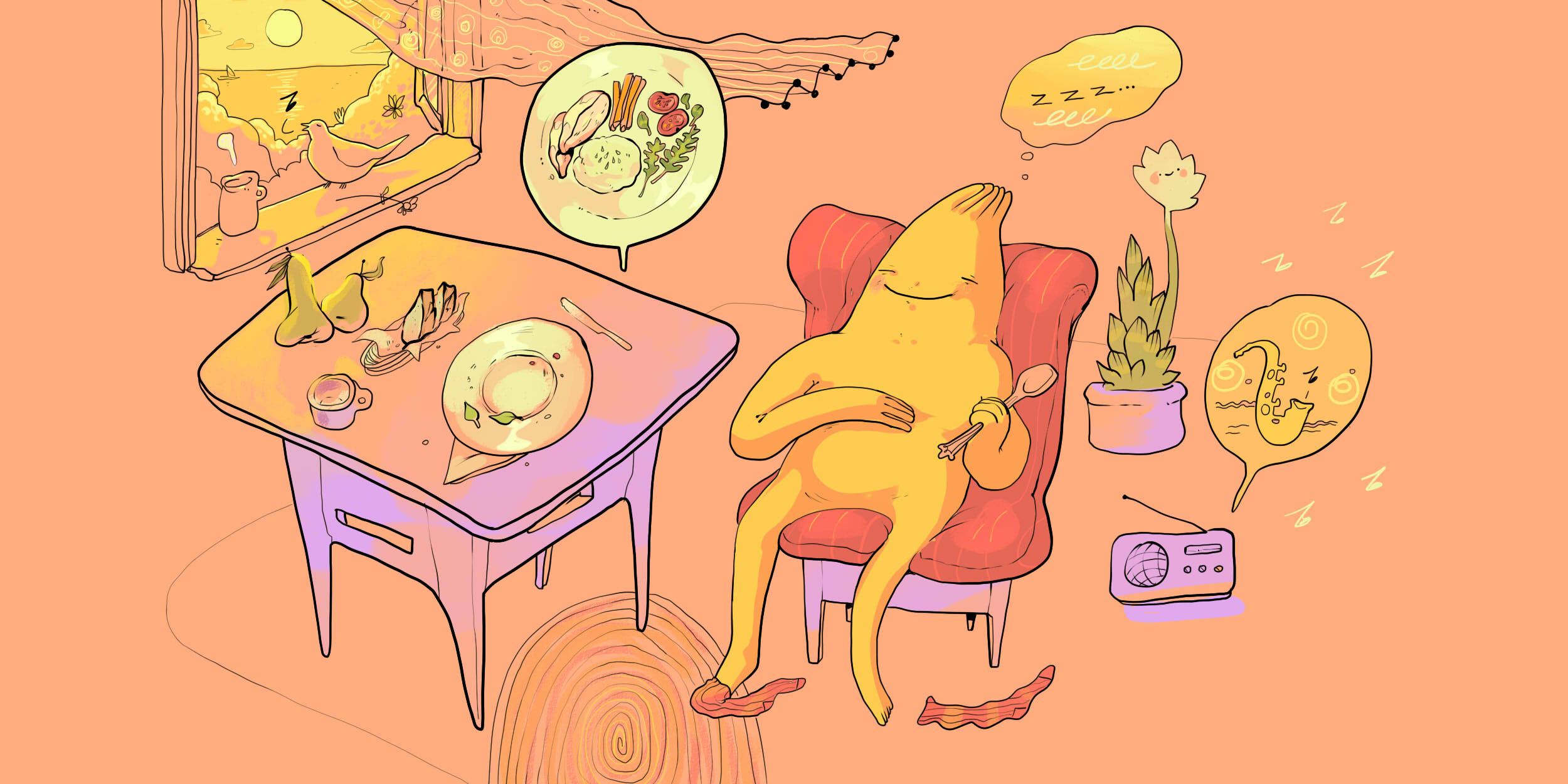

Why You Feel Sleepy After Eating and How to Prevent It
Discover why meals trigger sleepiness and learn practical steps to stay alert after lunch, including smarter meal choices, staying hydrated, light activity, and better sleep habits.
After a satisfying meal, many people feel the urge to nap. While post‑meal sleepiness is common, it can also hint at dietary habits or health issues. Here’s how to understand the trigger and what you can do.
Why do you feel sleepy after eating?
Sleepiness after a meal is influenced by several body processes. Hormones such as melatonin and serotonin, as well as the amino acid tryptophan, can rise after eating, especially when carbohydrates are present. Food can shift these levels and make you want to rest.
You ate specific foods
Snacking on foods rich in both protein and carbohydrates often promotes drowsiness. Tryptophan in protein helps your body make serotonin, while carbs enhance its absorption, boosting serotonin levels that influence mood and sleep cycles.
For example, a warm drink or snack combining protein and carbs can raise melatonin indirectly, nudging you toward sleepiness.
Common sources include:
- eggs
- cheese and dairy
- nuts and seeds
- poultry like chicken or turkey
- soy products
- leafy greens such as spinach
- fatty fish like salmon
- seeds and soy foods
Carbohydrate‑rich foods include:
- pasta and rice
- corn and popcorn
- white bread and crackers
- cakes, cookies, pastries
- sweet drinks
You ate a large amount
Overeating or a heavy lunch can cause a mid‑afternoon slump. A rapid rise in blood sugar after a big meal can dampen the activity of orexin, a brain peptide that helps sustain wakefulness.
Meal timing and your body clock
Your internal circadian rhythms also shape how you feel after eating. The body tends to show greater drowsiness during two daily dips—early morning and mid‑afternoon. If your lunch is around 2:00 PM, the natural dip can combine with the meal’s effects to push you toward a nap.
Poor sleep at night can amplify daytime sleepiness after meals.
How to avoid feeling sleepy after lunch
Contrary to popular belief, coffee or energy drinks only offer a temporary lift. Caffeine blocks sleep‑promoting signals briefly, but the effect wears off and the body may produce a rebound drop in energy.
- Eat smaller, more frequent meals to prevent large sugar spikes.
- Avoid high‑carbohydrate and high‑tryptophan foods at lunchtime when possible.
- Stay hydrated. Aim for about 2.7 liters of fluids daily (roughly 91 ounces) unless you have a medical reason to limit fluids.
- Take short walks or light activity breaks to improve ventilation and wakefulness.
- Enjoy caffeine in moderation and avoid large doses late in the day to protect nighttime sleep.
- Prioritize consistent, restful nightly sleep: seven to nine hours is a healthy target.
If you regularly feel sleepy after meals despite these changes, discuss it with a doctor. Post‑prandial sleepiness can signal conditions such as iron‑deficiency anemia, specific food allergies, diabetes, celiac disease, or multiple sclerosis.
Expert comment
Expert comment: Post‑prandial sleepiness is common, but persistent daytime sleepiness warrants medical evaluation to rule out underlying conditions such as anemia or diabetes. A clinician can help tailor dietary and lifestyle strategies to your needs.
Summary
In short, feeling sleepy after meals is often tied to how your body processes food and your overall sleep quality. Simple steps—smaller meals, mindful carb intake, hydration, activity, and good sleep—can help you stay alert. If the problem continues, seek medical advice to rule out health issues.
Key insight: Adjusting meal composition and daily habits can reduce post‑meal sleepiness, turning meals into energy rather than a nap trigger.