


Why Do People Talk in Their Sleep? Understanding Somniloquy
Explore why people speak in their sleep, how common somniloquy is, what it may reveal about memory and emotions, and practical tips to improve sleep quality.
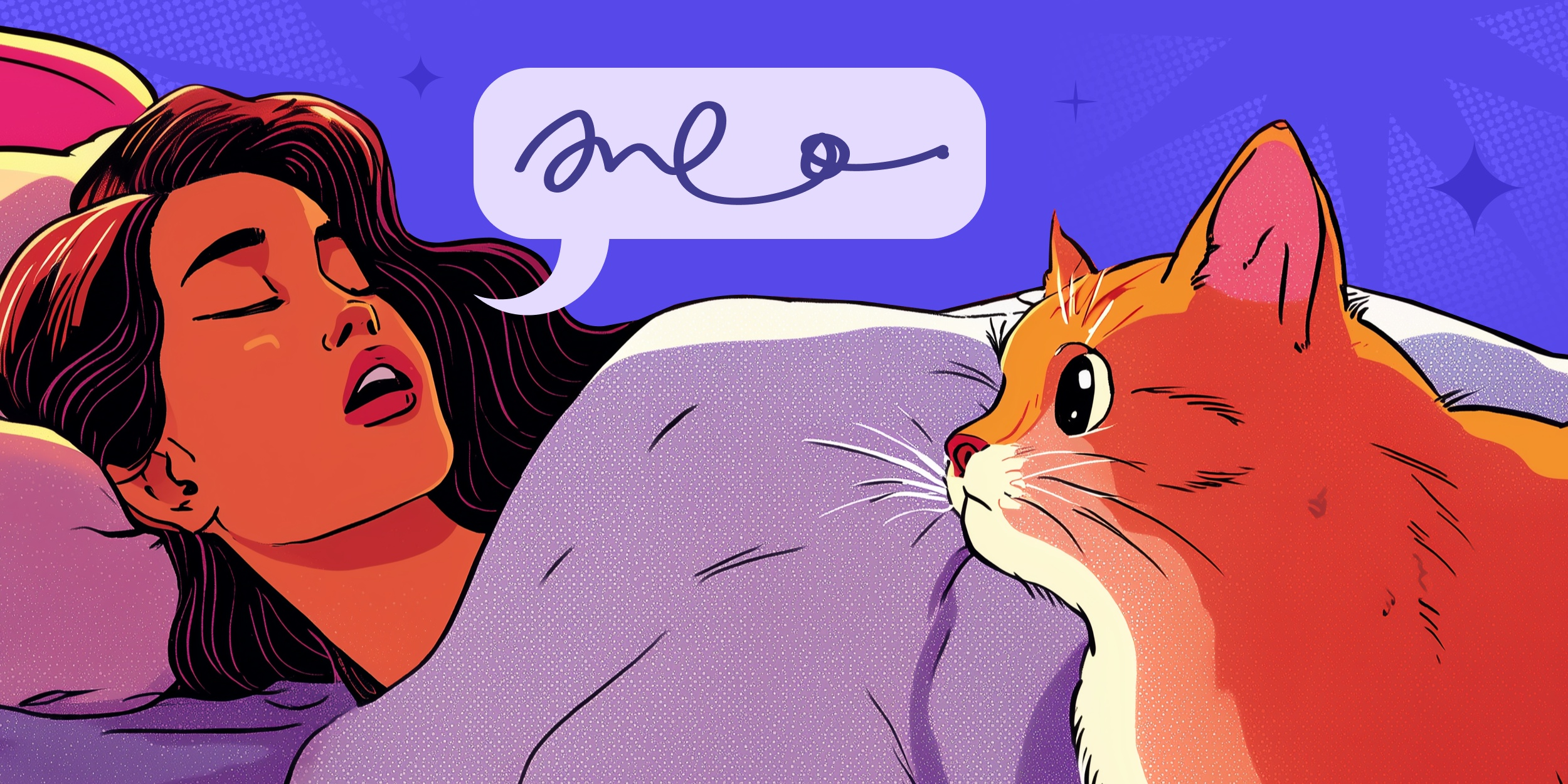
Hearing someone speak in their sleep can be surprising. Sleep talking, scientifically known as somniloquy, ranges from simple murmurs to full conversations and even shouted phrases.
What is sleep talking? Sleep talking is speech produced during sleep while the sleeper is not fully aware of it in the morning. It can involve words, sentences, or brief dialogues, and the voice may be clear or somewhat unclear.
How common is sleep talking?
Somniloquy is one of the most frequent sleep phenomena. In a survey of 1,000 adults, about two out of three people reported speaking in their sleep at least once. It most often happens in the first half of the night during non-REM sleep, when thoughts are more straightforward and dreams resemble ordinary thinking rather than the vivid scenes of REM sleep.
Does the sleeper really talk to someone?
Sometimes the talk seems incoherent, but research suggests there is more to it. During sleep talking, brain activity shows a rise in alpha waves, which are common during relaxed wakefulness, and there is involvement of language centers in the brain, such as Broca's and Wernicke's areas. The speech can be fluent enough to include pauses, as if waiting for an answer, indicating a real, though dream assisted, dialogue.
Why does it happen?
Experts are not certain why some people talk in their sleep, but several theories exist.
Emotional processing
One idea is that the brain uses sleep to process emotions and daily events. Sleep talking may reflect attempts to work through negative feelings and regulate mood. In a study of 232 volunteers with various sleep concerns, common utterances included words like no, questions, and even insults. The patterns varied with sleep stage, with stronger expressions during REM and more abrupt phrases in non-REM sleep. Many conversations resembled a tense exchange rather than random sounds.
Memory consolidation
Sleep also helps turn fleeting experiences into lasting memories. Some researchers wonder if talking in sleep is part of this replay process, though the evidence is mixed. In several studies, only a minority of talks matched the daytime learning content, and overall results did not show a clear memory advantage for those who talk in their sleep.
Could sleep talking affect sleep quality?
Yes, it can. Some studies indicate that people who talk in their sleep experience less REM sleep and more deep sleep, and they often report a less rested feeling in the morning. When sleep talking occurs frequently, improving sleep hygiene or consulting a clinician may help address the issue.
Expert comment
Sleep researchers note that somniloquy is widespread and usually harmless. If episodes are frequent or disruptive, a clinician can assess sleep patterns and offer guidance on sleep hygiene or treatment for underlying conditions.
Summary
Sleep talking affects a sizable portion of the population, especially children and people under stress. It occurs in both REM and non-REM sleep and may relate to emotional processing and memory processing. While generally not dangerous, persistent or disruptive sleep talking warrants medical advice. Practicing good sleep hygiene can reduce interruptions for many people.
Key insight: Sleep talking is a common brain activity linked to ongoing conversations with dream content; for most people it is harmless, but persistent disruption deserves attention.