


Canada weighs patience in stalled US trade talks as tariffs bite
Canada weighs patience in stalled US trade talks as tariffs bite industries and political pressure mounts, signaling a cautious, strategic approach ahead of a 2026 USMCA review.
Canada is weighing its options as Washington and Ottawa navigate a stalled tariff dispute. Prime Minister Mark Carney has signaled a cautious stance, suggesting there is no rush to restart negotiations while tariffs continue to hit Canadian industries.
Canada is taking a measured approach to resuming negotiations on tariffs and trade rules, balancing domestic pressure with the reality of a U.S. market that buys most of its exports.
Posturing on both sides
Analysts say the talks have a strong element of posturing: Washington wants to avoid appearing overly eager for a deal, while Ottawa does not want to seem desperate, even as the financial stakes remain high.
Potential Washington trip around the FIFA World Cup draw
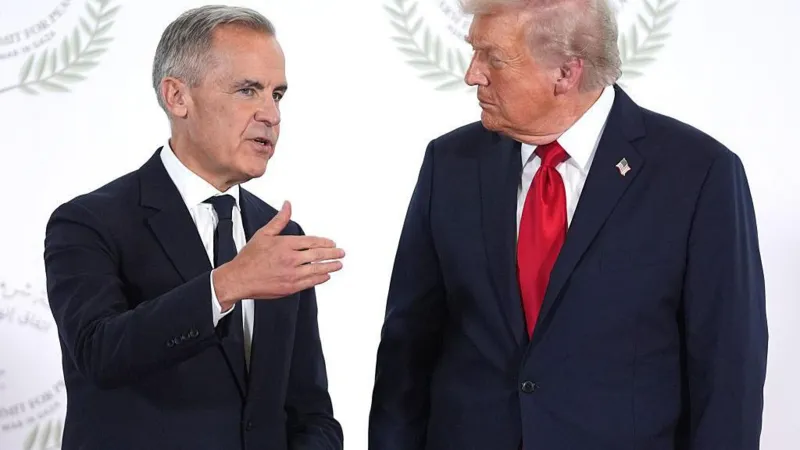
Carney is eyeing a trip to Washington next week for the FIFA World Cup draw, a major event Canada co-hosts with the United States and Mexico next year. While a meeting with President Trump isn’t confirmed, sources indicate it could surface during the visit.
Analyst Chris Sands, director of the Center for Canadian Studies at Johns Hopkins University, says there is a lot of posturing, and that both sides try to appear nonchalant while large sums are on the table. He notes that the pace of talks will hinge on political signals and economic incentives.
Talks between the two countries paused last month after an anti-tariff advertisement featuring Ronald Reagan aired in the United States, a project financed by Ontario that drew a tough response from Washington.
Before the pause, Carney said he and Trump exchanged messages regularly, with the U.S. president using emphatic text messages and a sense that there is no time pressure in those exchanges.
Despite the pause, Canadian representatives continue to press U.S. lawmakers on Capitol Hill, but formal progress remains limited, according to Manitoba’s trade representative.
Tariffs and what’s at stake
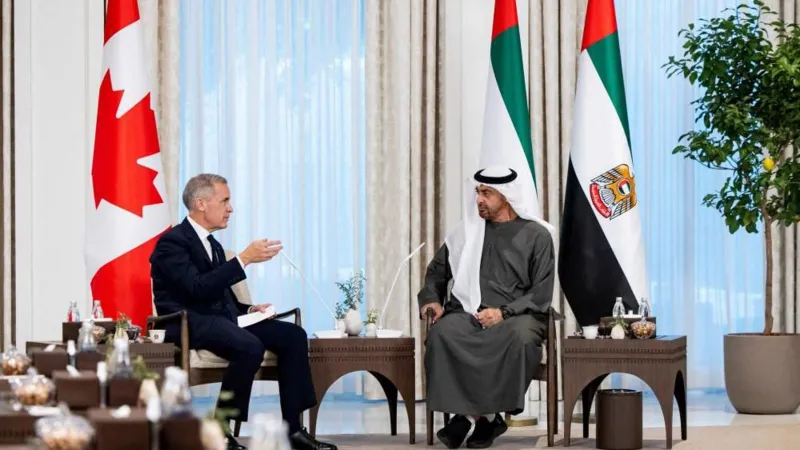
The United States imposes a 35% levy on many Canadian goods, with exemptions under the USMCA. Sector-specific charges remain, including higher tariffs on metals and a 25% levy on automobiles. Canada still depends heavily on U.S. demand — roughly three-quarters of its exports go south — making tariff policy a matter of national importance. Carney has reiterated his aim to diversify Canada’s export base beyond the United States and has been engaging overseas, including visits to the United Arab Emirates and activities around the G20 summit in South Africa.
Relief measures for affected sectors
In the meantime, Ottawa signals it may offer targeted relief to industries hurt by tariffs as talks continue. Aluminium producers, in particular, have faced costs to meet U.S. orders. Jean Simard, head of the Aluminium Association of Canada, argues that U.S. demand could rebound as stockpiles shrink, and that delaying a deal in hopes of a better outcome could be advantageous for Canada.
Time is on Canada's side and pain is on theirs, Simard said, emphasizing a longer-term approach.
Nevertheless, pressure from some quarters to secure a quick resolution remains strong, especially in sectors like heavy machinery in Manitoba where tariffs have hit local jobs hard.
Politics and timing
The opposition Conservatives have criticized Carney for statements they say dismiss job losses and fail to deliver a clear win. Carney later acknowledged the weekend remarks were not well chosen, while stressing that patient diplomacy remains essential.
With the 2026 USMCA review and the 2026 horizon, some observers see opportunity for progress. The U.S. Trade Representative will host public hearings in December on the trade pact, with business groups urging continued free trade. It could set the stage for Carney to present private-sector support as a basis for a deal, according to observers.
Key Takeaways
- Patience is central as tariffs persist and talks stall, with Canada seeking strategic flexibility.
- A possible Washington meeting around the FIFA World Cup draw could open space for diplomacy.
- Experts say a mix of posturing and real economic stakes shapes the negotiations.
- The USMCA review in 2026 remains a key milestone for any potential breakthrough.
Expert comment
Chris Sands, director of the Center for Canadian Studies at Johns Hopkins University: The dynamics are driven by mutual posturing, but the private sector is pushing for a deal. The coming hearings and talks will reveal whether there is room for compromise.
Summary
Canada appears to be pursuing a cautious, calculated diplomacy as tariffs linger and negotiations proceed at a measured pace. Observers expect ongoing talks to hinge on tangible economic benefits for both sides, with a focus on diversifying away from a heavy U.S. reliance. The next months will test whether a formal agreement can emerge before the 2026 USMCA review.
Key insight: Patience and strategic diplomacy are shaping Canada’s stance as US tariffs persist and talks continue. BBC News