

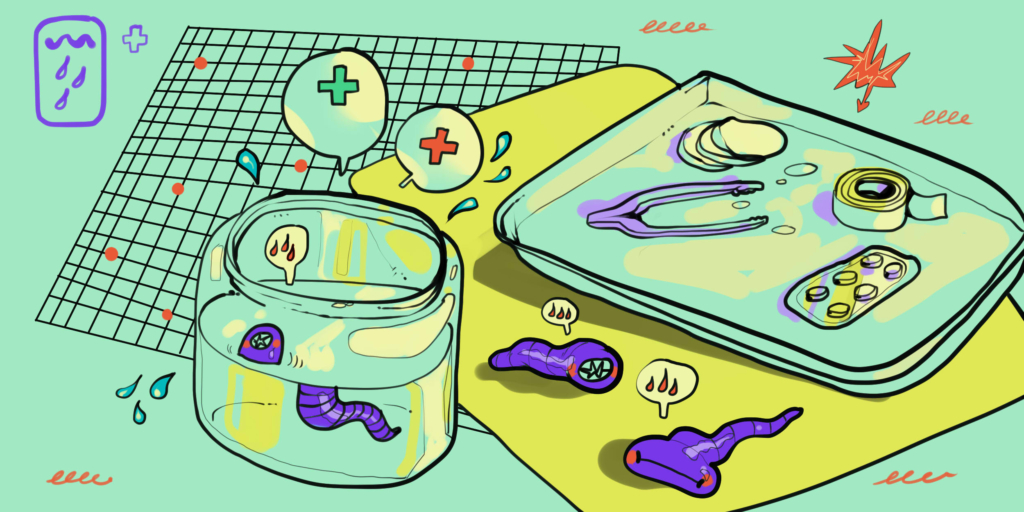

Leech Therapy Explained: Does Hirudotherapy Really Help?
Learn what leech therapy (hirudotherapy) is, where it’s used, the evidence behind it, potential risks, and who should avoid it. Clear, learner-friendly overview.
What is leech therapy?
Leech therapy, also called hirudotherapy, is a traditional medical approach that uses medicinal leeches. These creatures attach to the skin and feed on blood, using three jaws lined with tiny teeth to pierce the skin. A single leech can drink about 5–15 milliliters of blood, and a session typically lasts 15–60 minutes.
Humans have used leeches for thousands of years. In ancient civilizations they were applied for bloodletting and, in later periods, thought to restore balance in the body’s humors. Today, some clinics offer leech therapy as a complementary option in various medical settings.
Why it might be considered useful
Support for leech therapy comes from the compounds found in a leech’s saliva. When a leech feeds, it releases a mix of substances, including:
- Hirudin — an anticoagulant that keeps blood flowing by slowing clotting.
- Hyaluronidase — an enzyme that helps tissues heal and can reduce swelling and bruising.
- Apyrase — a substance that helps dissolve clots and improve blood flow.
- Histamine — a substance that widens blood vessels and can increase circulation.
These components have inspired medicines used in some treatments. However, the exact effect of saliva compounds during a therapy session can vary, and it is not possible to precisely control the dose of active substances a patient receives.
What does the research show?
Robust scientific evidence comes mainly from reconstructive plastic surgery. Leech therapy is used to help restore blood flow after tissue transfer or reattachment, such as fingertips or ears, by temporarily replacing some vein function while new vessels grow. In many places, regulatory agencies recognize its role in specific surgical settings.
There is more limited data on other uses. Some small studies suggest potential pain relief in knee osteoarthritis when leech therapy is used alongside standard care, and small trials in gum disease (periodontitis) have reported reductions in swelling and bleeding. But results are mixed, and many studies note possible side effects.
Claims about leech therapy curing fertility problems, cancer, or other chronic illnesses are not supported by solid scientific evidence at this time. Clinics may advertise these ideas, but rigorous trials are scarce.
What conditions are studied and what the results show
Heart and blood vessel diseases lack strong evidence from leech therapy and no one considers it a substitute for standard treatments. The available data do not prove that leech bites can reliably improve heart health.
In diabetic peripheral neuropathy, small studies suggest that leech saliva may help reduce pain and may improve sensation in some patients when used with conventional care. The number of participants is small, so conclusions are cautious.
Fertility and cancer claims lack solid proof. There is little to no high‑quality research showing clear benefits in these areas.
Risks and safety considerations
A leech bite can continue bleeding for several hours after the session due to the saliva’s anticoagulant effect. People with bleeding disorders or those taking blood thinners may need medical care, including possible transfusion, if bleeding is hard to control. Some individuals may have allergic reactions to leech saliva, and in rare cases a severe reaction (anaphylaxis) can occur.
There is also a risk of infection, because leeches carry bacteria in their gut. The risk is higher when treatment is performed on sensitive areas such as the groin or inner thighs. Even with careful care, infections can occur, and evidence about safety in these areas is limited.
Delaying evidence‑based treatments in favor of leech therapy can worsen the underlying condition. Always discuss with a licensed healthcare provider before trying this method.
Who should avoid leech therapy?
- People with an allergy to leech saliva.
- Those with arterial insufficiency or compromised circulation in arteries.
- Individuals with weakened immune systems.
Pregnant or breastfeeding individuals are generally advised to avoid leech therapy, as safety data is limited. People who may need blood transfusions should consider the risk of bleeding and delay or avoid treatment.
Expert opinion
Leech therapy can be a helpful adjunct in specific surgical and wound‑healing contexts, but it is not a replacement for conventional medical care. Decisions should be made with a trained clinician based on the individual’s condition.
Bottom line
Leech therapy is most supported in reconstructive settings where it can aid blood flow after tissue transfer. For most health issues, the evidence remains limited and inconsistent. If you are considering this therapy, consult a licensed healthcare professional to weigh potential benefits against risks.
Key takeaways
Leech therapy is niche medicine: useful in certain surgical settings, but it cannot replace proven, evidence-based treatments.