

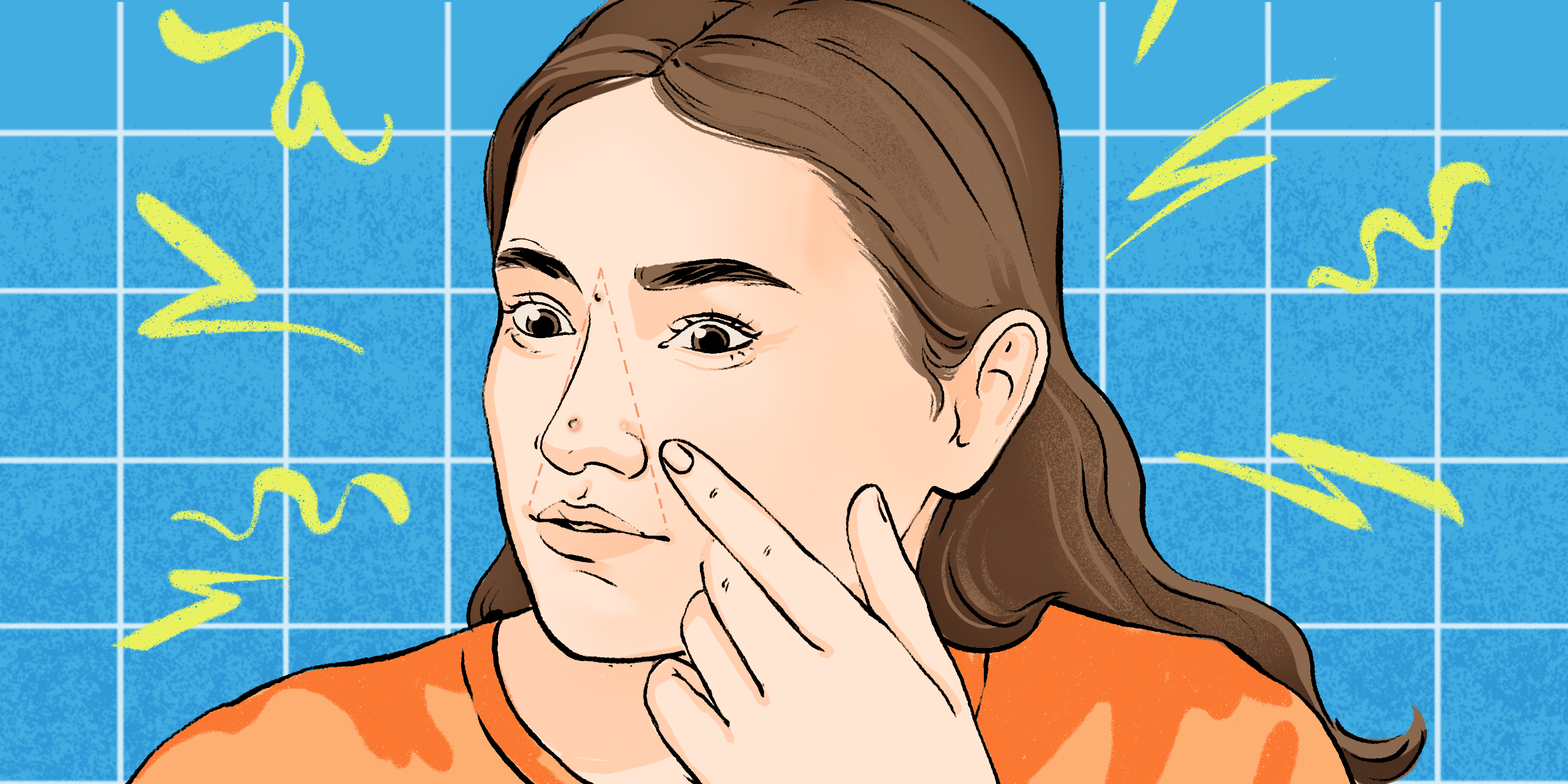

The Triangle of Death: What It Is and How Safe It Really Is
Explore the nasolabial triangle, commonly known as the Triangle of Death. Learn what this facial area covers, its real infection risks, myths, and practical hygiene tips.
Many people panic when they hear about the nasolabial triangle, nicknamed the Triangle of Death. This area runs from the corners of the mouth up toward the space between the eyebrows. While it has a dramatic name, serious infection from this area is rare with proper care.

What is the Triangle of Death?
The nasolabial triangle is the part of your face that includes the upper lip, the corners of the mouth, and the area between the eyebrows. It contains skin and small blood vessels. Some people call it the “danger triangle” because it connects to deeper veins near the brain.
Why this zone can be risky
The facial veins in this region drain toward the cavernous sinuses near the brain. Infections here can in theory spread into the bloodstream and reach the brain. Bacteria from dirty hands or unsterilized tools used for piercings or popping pimples may trigger infections.
- Cavernous sinus thrombosis — a blood clot in the venous channels near the brain that can cause severe headaches, vision changes, and seizures. The condition can be life-threatening in about one in three cases.
- Brain abscess — a collection of pus in the brain caused by infection spreading from nearby areas.
- Meningitis — inflammation of the brain's protective membranes.
These are rare events. A healthy immune system usually handles infections effectively. Risk increases with conditions such as HIV, diabetes, drug use, or kidney problems requiring dialysis.
Should you really fear the Triangle of Death?
No. Even if bacteria enter the area, most people recover with proper medical treatment. Antibiotics help stop the infection from spreading and speed recovery with timely care.
In 2022, during the COVID-19 era, doctors treated a 21-year-old man who developed facial swelling and headaches after squeezing pimples on his nose. MRI showed a cavernous sinus thrombosis, and after about six weeks of antibiotics and other care he improved. Such outcomes are not common, but they show the importance of prompt medical help.
Historically, there have been deaths linked to this route, but they are rare. For example, in 1966 a 31-year-old woman who pulled hairs from her nostrils developed serious complications and died after nine days while treatment failed.
How to protect the Triangle of Death from infections
While the risk of death from a popped pimple in this area is extremely small, basic hygiene matters. Don’t take unnecessary risks with facial skin.
Do not pop pimples
Dermatologists advise against squeezing pimples anywhere on the face. It can push bacteria deeper and trigger infection. If pimples persist, see a dermatologist for safe treatment.
Don’t touch your face with dirty hands
Hands carry many germs. Refrain from touching the nose, mouth, or eyes, and wash hands regularly if you need to touch your face.
When to see a doctor
If you notice warning signs that suggest a serious infection, seek urgent care immediately. Call emergency services if required.
- Severe or worsening headaches, especially with neck stiffness or vomiting;
- Speech or vision problems;
- Weakness, dizziness, seizures, or confusion;
- Swelling or pain around the eyes;
- Rashes with unusual bruising or bleeding under the skin;
- Chest pain, shortness of breath, or persistent fever.
Expert comment: A dermatologist notes that early treatment is crucial to prevent serious complications. Most infections respond quickly to standard antibiotics when care is sought promptly.
Short summary: The Triangle of Death is a rare risk area. Practicing basic facial hygiene—don’t pop pimples, wash hands, and avoid touching your face—greatly reduces risk. Seek medical help promptly if you develop alarming symptoms.
Key insight: The Triangle of Death represents a real but uncommon danger; with hygiene and prompt care, the risk is very small and manageable.