

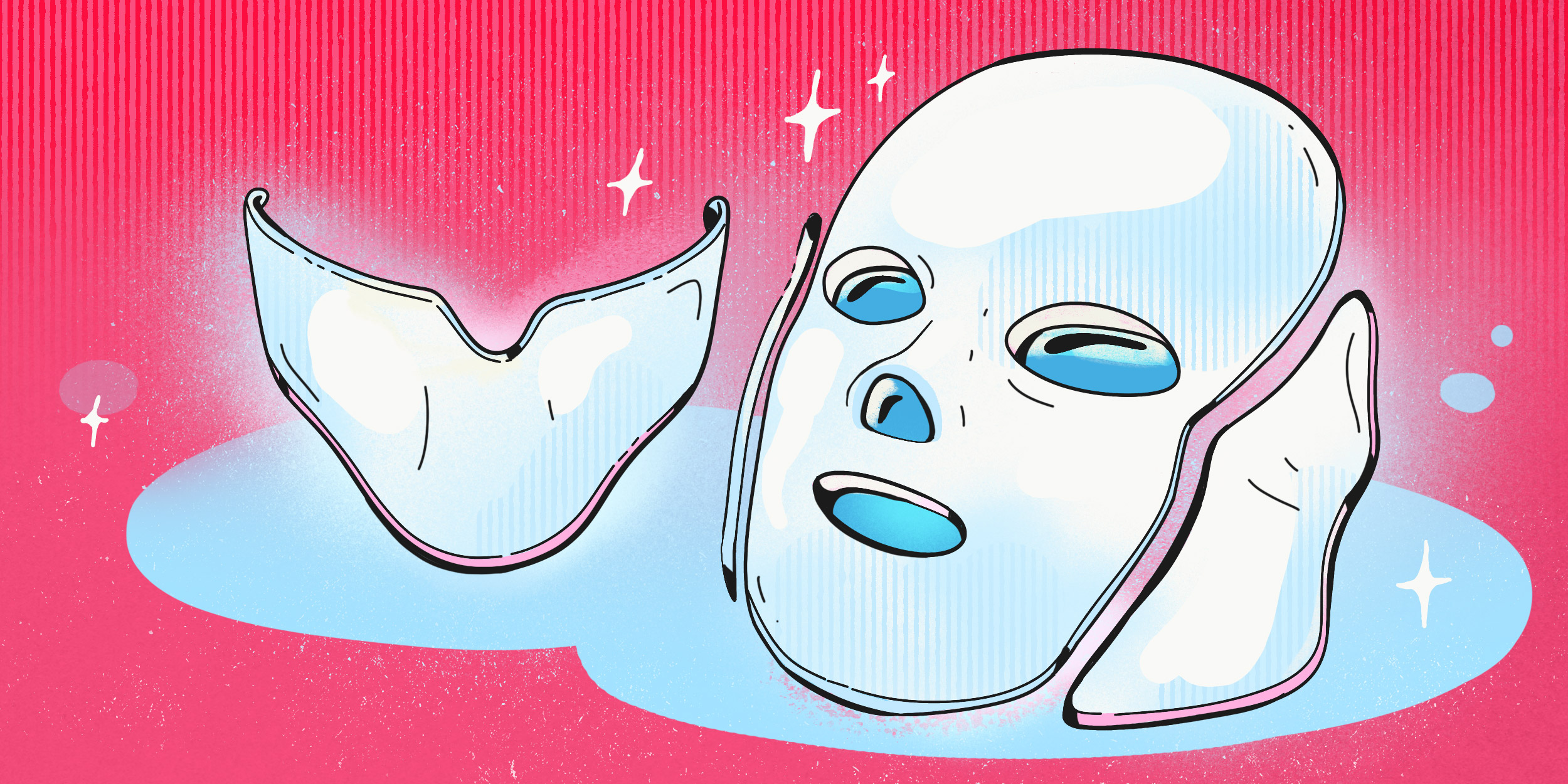

Facial LED Light Therapy: Can LED Treatments Keep Skin Youthful?
Learn how facial LED light therapy works, what it can help with—from acne to aging and hair growth—and how to use it safely, at home or in clinics, for realistic results.
LED light therapy for the face has gained popularity as a non invasive option to refresh skin without downtime. This guide explains how the technology works, what benefits you might expect, and how to use it safely at home or in clinics.
What is facial LED light therapy?
Facial LED light therapy uses light emitting diodes that produce specific wavelengths to affect skin layers. Depending on the color, the light targets different tissues and processes.
- Blue light targets surface bacteria that contribute to acne.
- Red light penetrates deeper to boost collagen production and support skin repair.
- Yellow light helps reduce redness and improve blood flow.
- Near infrared light reaches the deepest skin layers for general rejuvenation.
Sessions may be done in medical or beauty clinics or with home devices. The appeal lies in ease of use and minimal downtime.
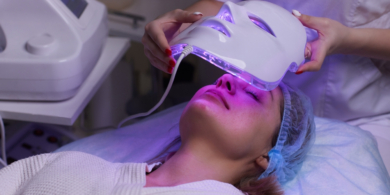
During a session, clients wear protective eyewear to shield the eyes from bright light. Treatments are typically painless and last from 10 to 30 minutes depending on the device and the chosen spectrum.
Why is light therapy used?
Manufacturers and clinicians report a wide range of benefits. LED therapy is commonly promoted to:
- Reduce inflammatory acne and prevent new breakouts
- Smooth fine lines and improve skin firmness
- Lower redness and calm irritation
- Speed up healing after cosmetic procedures
- Lighten pigmented spots and even out skin tone
- Stimulate hair growth in androgenetic alopecia (pattern hair loss)
Can it help maintain youthful skin?
LED therapy can influence skin condition, but results vary by person and by the issue. While many people see improvements in acne and texture after several sessions, others notice smaller changes. Experts often recommend combining LED therapy with other skincare approaches for durable results.
Red light is thought to boost collagen, which may improve skin tightness and reduce wrinkles. Some studies note smoother skin after a course of sessions, though the level of improvement differs and regular use is usually needed.
For pigment issues and redness, red light may help when used with laser or other advanced treatments. People often report lighter dark spots and less visible blood vessel changes after combined therapies.
Skin sagging may show modest improvements in density and elasticity with red light, but not in every case. Hair growth benefits with red light appear plausible with regular use, yet typically require complementary approaches for noticeable results.

Dr. Jane Doe, Dermatologist at SkinCare Clinic
In clinical practice, LED therapy is not routinely recommended for acne or hair loss due to limited high quality evidence and the absence of universal guidelines. Some European recommendations do acknowledge low level laser therapy as an adjunct option for certain hair loss cases, but LED therapy remains not a standalone solution.
Take away safety tips from the dermatologist: use LED devices 2 to 3 times per week, start with short sessions of 5 to 10 minutes, and always moisturize after treatment. If irritation rises, stop using the device and consult a clinician.
- Protect the eyes during treatment by using proper eyewear.
- Do not pair LED therapy with other aggressive procedures on the same day.
Alternatives and daily care tips
A strong daily skincare routine matters more than any single device. Dermatologists advise:
- Sun protection: use sunscreen with SPF 30 or higher and wear protective clothing daily.
- Avoid tanning: tanning damages skin and accelerates aging; consider safe self tanners instead.
- Gentle cleansing: use mild cleansers twice daily and after sweating.
- Hydration: a regular moisturizer helps maintain skin elasticity.
- Healthy diet: fruits and vegetables with antioxidants support skin health; limit sugar and refined carbs.
- Lifestyle: avoid smoking and excessive alcohol as they dehydrate and dull the complexion.
- Movement and expression: regular exercise improves circulation; reduce squinting to minimize dynamic lines.
Acne care should be personalized. Common over the counter options include adapalene and azelaic acid to reduce inflammation and clear pores. For pigment concerns, options range from topical lighteners to lasers, cryotherapy, microdermabrasion, and chemical peels, each with potential benefits and side effects.