

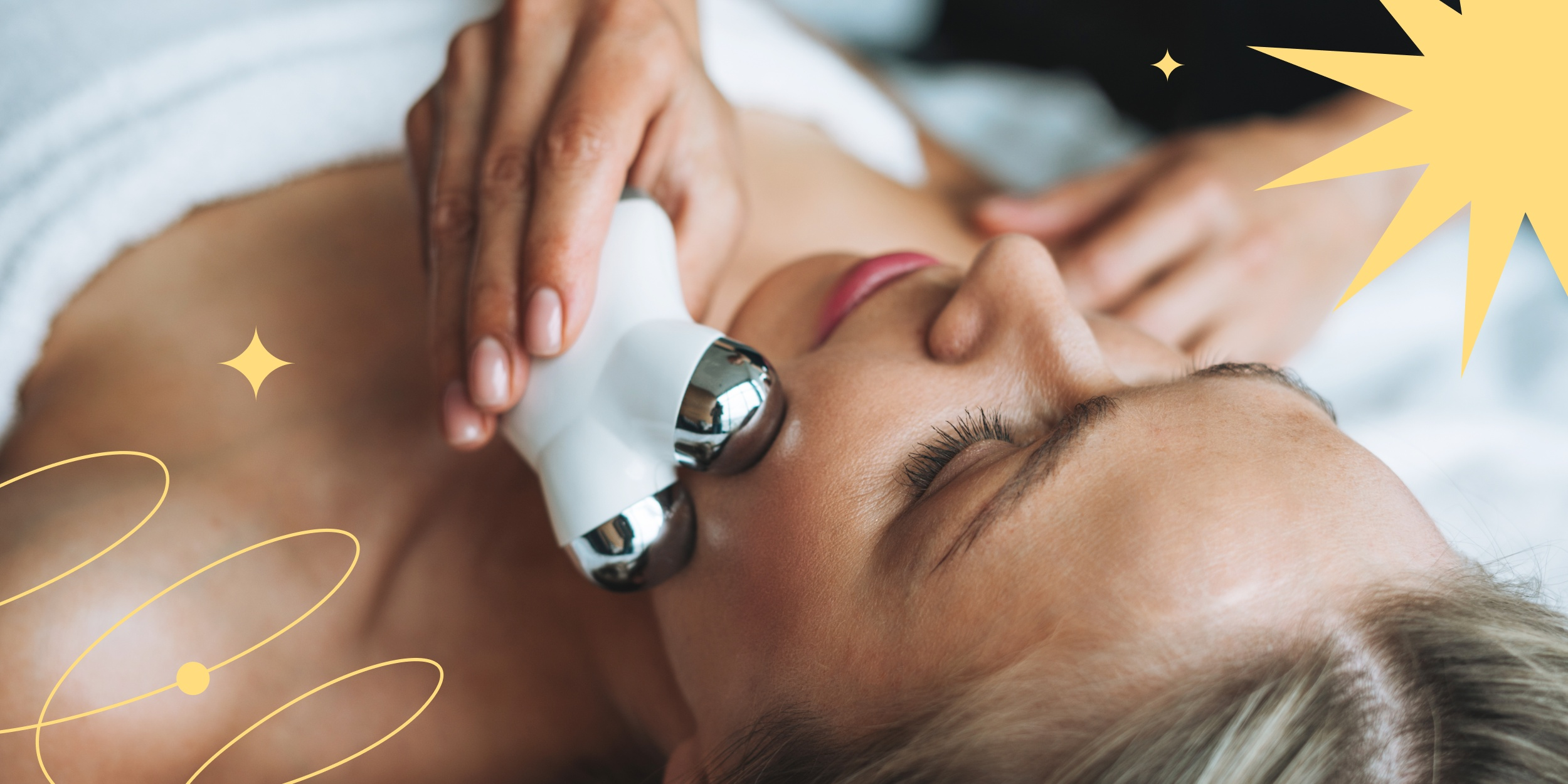

Facial Microcurrents: Trendy Beauty Fad or Real Anti-Aging Help?
An evidence-based look at facial microcurrents: claims, science, costs for clinics and home devices, and practical advice for readers weighing this beauty trend.
Microcurrent facial therapy has become a popular non-invasive option in many beauty clinics. Some claim it tones the face and provides a subtle lift without surgery, but what does the science actually say?
Microcurrents use very small electrical currents measured in microamperes (µA). They differ from other electrical treatments that use milliamps (mA). The treatment typically relies on handpieces with metal tips (electrodes), though conductive gloves may also be used.
What are facial microcurrents and how are they used?
In cosmetic settings, clinics promise improved blood and lymph flow, reduced puffiness, deeper skin oxygenation, more even tone, and fewer wrinkles. Home devices marketed for personal use usually deliver currents from about 400 µA to 13,000 µA (13 mA).
How microcurrents are used in cosmetics
Prices vary by location and salon. Typical professional sessions may cost around $15–$50 each, with a course commonly consisting of 6–12 treatments (roughly $90–$600 in total). Basic home units are usually priced around $12–$15, while advanced branded devices with more features can range from $500 to $1,000.
Is microcurrent therapy proven for facial skin health?
Short answer: there is no solid, high-quality evidence proving cosmetic benefits of facial microcurrents. A small 2012 study used much stronger stimulation (up to 35 mA, 70 Hz) on 108 women for several weeks and reported thicker facial muscles and perceived improvements, but its design and size limit its reliability for anti-aging claims.
Two other small studies published in lower-tier journals showed mixed results and biases, with participants often struggling to distinguish treated from untreated faces. Overall, the literature does not establish clear skincare benefits from facial microcurrents.
Why do clinics promote microcurrents for aging?
Clinics may promote microcurrents due to marketing appeal and patient demand for non-surgical lifting. Proposed mechanisms in promotional materials include increased production of ATP (the body’s energy currency), which theoretically supports muscle function. However, robust human evidence is lacking, and many supporting studies are animal-based or very small with uncertain applicability to people.
Should you try facial microcurrents?
Based on current science, the answer is no definitive yes. Costs can add up: a typical course of 6–12 sessions might cost around $90–$600 in total, depending on the clinic. Basic home devices cost about $12–$15, while well-known branded models can run from $500 to $1,000. If you’re seeking results, consider proven options such as a healthier lifestyle, a balanced skincare routine, or a discussion with a dermatologist about safer, evidence-based approaches.
Expert opinion
Dermatology experts say microcurrents have a plausible biological basis, but robust clinical trials demonstrating cosmetic benefits are lacking. Results vary between individuals, and there is no strong consensus on anti-aging effects.
Summary
Facial microcurrents are popular but not scientifically proven for anti-aging. The existing research consists mainly of small, inconclusive studies with limitations. Given the cost and uncertainty, readers should weigh other proven skincare options or medical advice before trying these treatments.
Key insight: There is currently no strong scientific evidence that facial microcurrents reliably reduce signs of aging; perceived benefits are often unproven and can be influenced by placebo.