

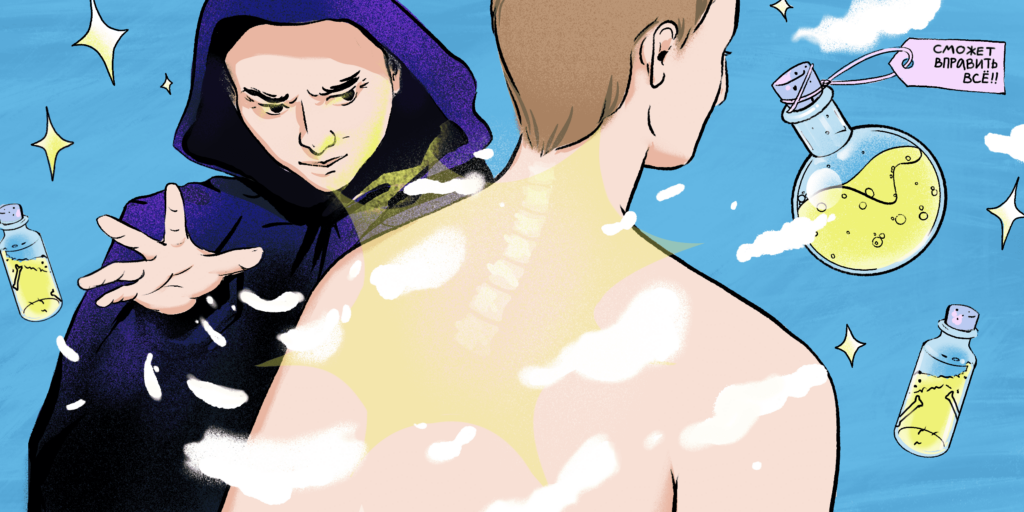

Can Neck Vertebrae Adjustments Relieve Pain? Debunking Medical Myths
A neurologist explains why neck adjustments by chiropractors or osteopaths rarely relieve pain, clarifies myths about spine misalignment, and outlines safer, evidence-based alternatives.
Modern medicine relies on evidence-based care, but some clinics still push unproven tests and treatments. This article examines neck manipulation myths, what science says, and the potential risks involved.

Who offers neck vertebrae adjustments and why?
Neck vertebrae adjustments are offered mainly by chiropractors and manual therapists. They often work in private clinics or small practices, since the treatment relies primarily on the hands of the practitioner. Some have formal training in osteopathy (a field focusing on the musculoskeletal system), and some neurologists may retrain to become manual therapists.
However, I view manual therapy as understandable when it helps relieve muscle tension, but osteopathy remains controversial for claiming to treat a wide range of conditions by applying pressure to specific points. A patient once described an osteopath inserting fingers into her ears to stimulate points, which I find perplexing.
As for neck adjustments to treat headaches or dizziness, the aim is to improve cerebral circulation, but evidence supporting this is limited.
Can the vertebrae really be adjusted?
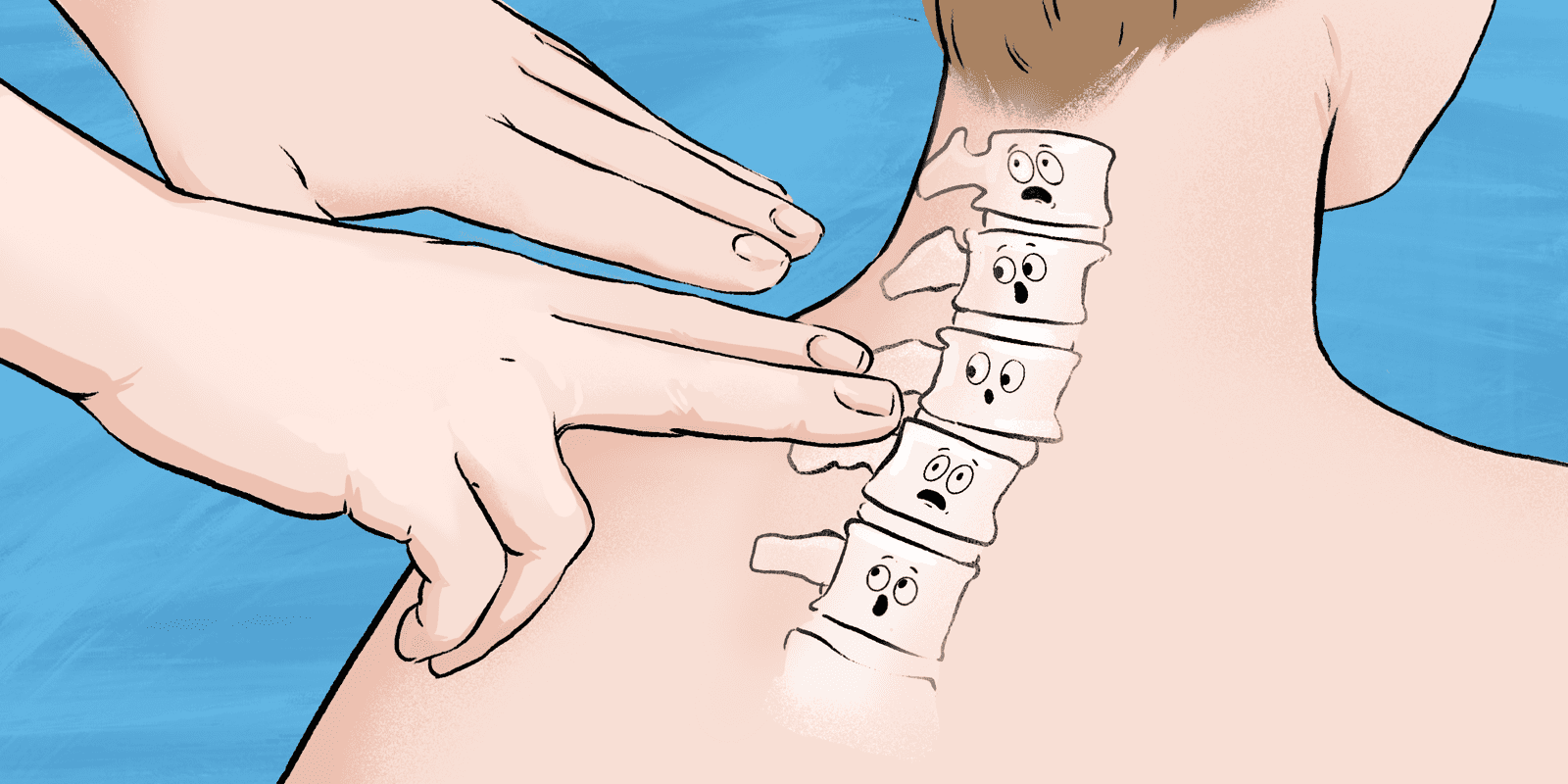
Patients often say that a vertebra has slipped out. At first I worry, but usually it stems from a misunderstanding: the neck bones do not dislocate like a shoulder. A true dislocation (spondylolisthesis) can occur after serious trauma or with severe degenerative changes, especially in older adults or certain spine conditions. Such a shift is serious and can affect the spinal cord.
The spine consists of many joints and ligaments; without major injury, a bone out of place is rare. Minor misalignment may occur in the lower back due to long-term loading, but it typically does not cause major problems. Self-manipulation is dangerous and should be avoided.
Neck manipulations do not reliably fix headaches or migraines. If a person has significant pain or dizziness, the cause is often not a simple degenerative change or muscle spasm alone. Even if an osteopathic approach relaxes neck muscles, it may relieve neck pain, not necessarily the underlying headache.
Could neck adjustments cause complications?
Yes. Neck manipulations can injure the vertebral arteries and cause a dissection, where the artery wall splits and a hematoma forms. Small clots might then travel to the brain, potentially causing a stroke. This is rare but serious, especially with aggressive techniques such as rapid neck twists or hammer-like impacts. I know cases where patients required emergency care after an osteopathic session.
What to tell a doctor who promotes vertebral adjustments?
If you have headaches or dizziness, see a neurologist; if the issue is neck-related, consult an orthopedist. A clinician can identify the root cause and propose evidence-based treatment. If a practitioner claims a vertebra has slipped without imaging, question their qualifications. We can influence muscles and ligaments through posture and controlled exercises, not by moving bones. Safe, gradual rehabilitation and posture-focused workouts help build lasting improvements. A quick crack is not a cure.
Expert comment
There is little high-quality evidence that neck adjustments cure headaches or dizziness. If muscle tension contributes to discomfort, posture training and targeted exercises are safer and more effective over time.
Summary
Neck adjustments offered by chiropractors or osteopaths are common but not a universal cure for most symptoms. True vertebral dislocation is rare and dangerous; self-manipulation can cause harm. For neck pain, seek evaluation from a neurologist or orthopedist and consider evidence-based approaches such as posture improvement and gradual exercise. Quick crack fixes do not replace medical care.
Key insight: Evidence-based care and gradual rehabilitation provide safer, longer-lasting relief for neck pain, while aggressive neck manipulations can cause serious harm.