


Bioacoustic Correction: Does It Really Work and Is It Safe?
Explore what bioacoustic correction claims to do, what the science actually shows, potential risks, and proven alternatives. A concise, reader-friendly overview for English learners.
Bioacoustic correction is a therapy that uses brain activity to generate music for the listener. While some clinics promote its use for a wide range of conditions, there is no solid international evidence of its effectiveness.
What is Bioacoustic Correction?
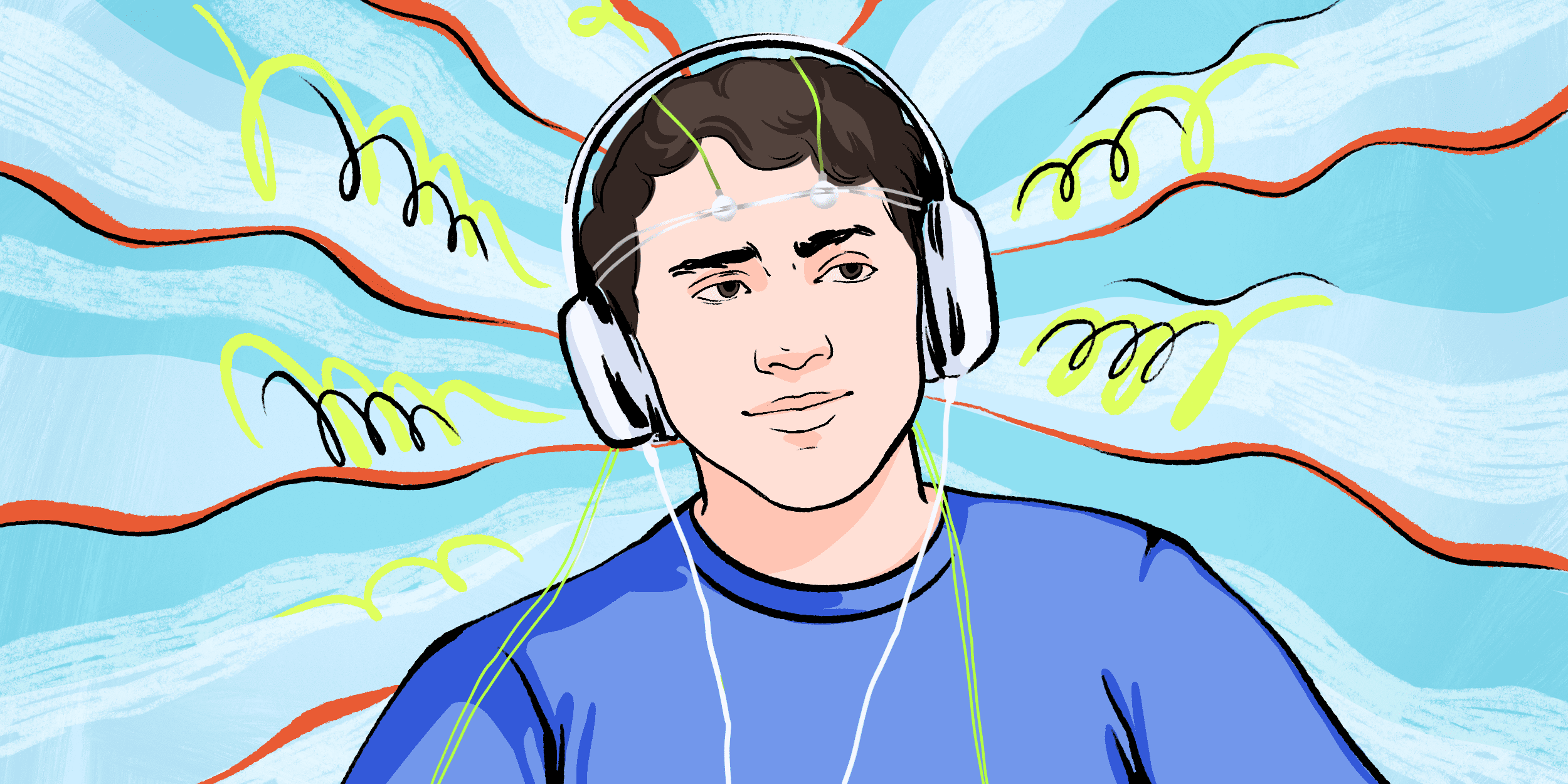
Originally developed in Saint Petersburg, this approach records brain activity via sensors placed on the scalp. A software program converts these signals into music that is played through headphones. Sessions typically last 10 to 20 minutes while the patient sits quietly.
What It Claims to Treat
- impaired autonomic regulation (dysautonomia)
- attention problems and hyperactivity
- insomnia
- posttraumatic stress symptoms
- high blood pressure and some heart concerns
- asthma
- heart and metabolic risks
- skin conditions such as eczema
- gastrointestinal problems
Some clinics even claim benefits for autism or developmental delays. There is also talk of using BAC together with other therapies to speed up recovery.
How It Is Supposed to Work
Supporters argue that the brain can regulate body functions and that simply listening to music can stimulate the necessary brain areas without conscious effort. If the EEG readings show deviations, the music supposedly reflects and helps correct them. In practice, it is often unclear what is played to the patient, and it may be a pre-recorded sample rather than a personalized reflection of brain activity.
Does It Really Work?
There are no international clinical guidelines endorsing BAC. Several Russian journals publish smaller studies, but many are not indexed in international databases and tend to rank low in scientific quality. This raises questions about the reliability of the reported results.
For example, a 1999 study on veterans suggested potential benefits for PTSD, but the tiny sample size (30 participants) and lack of control groups weaken the conclusions. Other reports note improvements in chest pain or asthma, but these studies often involve participants undergoing additional therapies, making it hard to isolate the effect of BAC alone. Sometimes the reported improvements come from patients' own perceptions rather than objective measures.
A 2020 study on e-sports players claimed a reduction in stress and better accuracy after BAC, but with only 20 participants, the finding is preliminary and cannot be generalized.
In metabolic syndrome, some reports described hemodynamic improvements, yet the participants were in structured treatment programs (often including diet changes), so the specific impact of BAC remains unclear. Advocates say BAC may help with autonomic regulation, but the diagnosis behind this—vegetative-vascular dystonia—is not used in modern Western medical classifications.
Should You Try It?
Experts say the lack of solid evidence means BAC should not replace proven medical treatments. If a clinician still recommends BAC, consider seeking a second opinion or exploring evidence-based options.
Practical Alternatives
For skin conditions, use dermatologist-prescribed creams or antihistamines as advised. For gastritis or ulcers, follow treatment plans that target the stomach lining and acid production. For high blood pressure, rely on standard medications and lifestyle changes prescribed by a physician.
- For developmental concerns in children, connect with a teacher trained to work with children with developmental delays
- For speech delays, consult a licensed speech-language pathologist
- For attention, mood, or sleep concerns, seek a psychiatrist or neurologist
What to Do If BAC Is Recommended to You
If a doctor stresses BAC, consider consulting another clinician to explore evidence-based care. If you live in a small town, ask about telemedicine or travel to a nearby city for a second opinion.
Expert Comment
Current evidence does not support BAC as an effective therapy for most conditions. More rigorous, well-designed studies are needed to confirm any real benefits.
Short Summary
Bioacoustic correction is a controversial therapy with limited, low-quality evidence. While some small studies report improvements in certain symptoms, these results are not reliable enough to recommend BAC as a standard treatment. For now, established medical care remains the safer choice, and patients should discuss with qualified clinicians before trying BAC.
Key takeaway: Bioacoustic correction lacks solid evidence of benefit; rely on proven treatments and consult a licensed clinician before pursuing such therapy.