


Taxpayer funds backed Sarah Ferguson app that never launched
New documents reveal vVoosh, linked to Sarah Ferguson, raised millions including UK R&D tax credits but failed to launch, prompting questions about governance.
A lifestyle app project named vVoosh, linked to former royal figure Sarah Ferguson, collapsed after drawing more than £1 million in UK government support without ever releasing a product. Administrators say the venture’s failure raises questions about governance, funding decisions, and business relationships surrounding the project.
What vVoosh was and who led it
vVoosh was developed by Manuel Fernandez, a close associate of Ferguson who described her as an ambassador and investor. The app promised to help users Find, Plan, Share, Live, and Remember experiences they love or want to try.
Funding, development, and the path to collapse
Over its lifetime, vVoosh raised about £9 million, including more than £1 million in UK government support through research and development tax credits. The company paid teams in the United Kingdom and in India to build the app, but with no product to generate revenue, development stalled. The project stalled further after an Indian contractor threatened legal action.
Governance struggles and financial position
Administrators describe a breakdown in communication between current directors, major creditors, and the founder, who stopped communicating after resigning as a director earlier in the year. The report notes the company is owed about £324,609 by a former director, believed to be Fernandez, the only director to leave the company since 2019.
Creditors, shareholders, and remaining assets
vVoosh owes £50,000 to La Luna Investments, Ferguson’s own company, which held just under 1% of the shares. The business counted more than 60 small shareholders, many with Essex and London addresses, along with a number of American addresses. American investor Mark Guzy has put more than £400,000 into the company to preserve essential services and protect the value of the software platform, the project’s main remaining asset.
Charity plans and regulatory moves
Originally, vVoosh aimed to give 10% of profits to a charitable foundation. The Charity Commission has begun removing the vVoosh Charitable Foundation from the charity register because it never traded and has overdue reporting by more than four years.
Tax and regulatory updates
HM Revenue & Customs declined to comment on the R&D tax credits. Guzy and other directors also did not respond to requests for comment. Earlier press reports quoted Fernandez denying any withdrawal of company funds, saying such claims would be addressed in legal proceedings.
Background on key figures
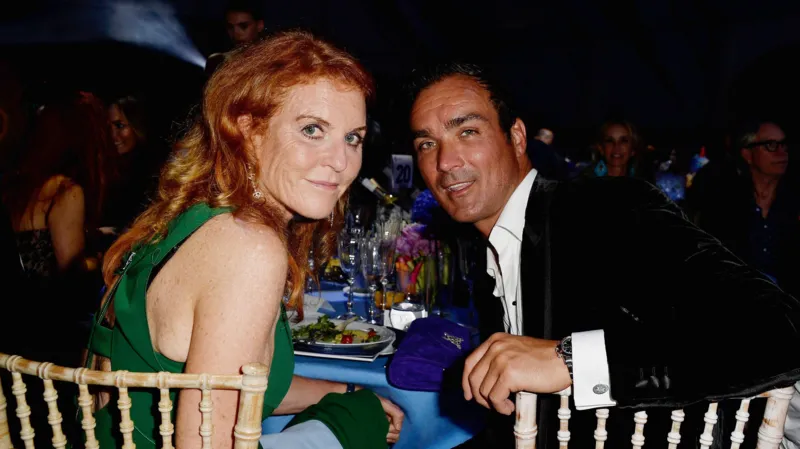
Ferguson, 66, lost her duchess title after her former husband relinquished the Duke of York title amid ongoing scrutiny of his associations. Separately, a cryptocurrency mining firm tied to Ferguson agreed to pay up to £1.4 million for her services as a brand ambassador, a venture that later collapsed with investor losses. Fernandez, who grew up in Essex, served in the Royal Anglian Regiment and later held senior sales roles before founding vVoosh in 2010. He was photographed with Ferguson in 2015–2016, and the two attended Sir Bob Geldof’s wedding, though Ferguson has said they were simply good friends.
Expert comment
Expert view: This case highlights the importance of strong governance and due diligence when celebrities back ventures and when government funds back innovation. Analysts say clearer oversight is essential to protect taxpayers and investors in high-profile startups.
Conclusion
The collapse of vVoosh shows that celebrity endorsements and public subsidies do not guarantee success. With creditors uncertain and wind-up proceedings ongoing, questions remain about accountability and the due diligence applied to celebrity-backed tech projects. The remaining software platform and other assets are being preserved as regulators and creditors wind down the business.
Key takeaway: Celebrity-backed ventures backed by government funds demand rigorous governance and transparent reporting to shield taxpayers when projects falter.
Source: BBC News