

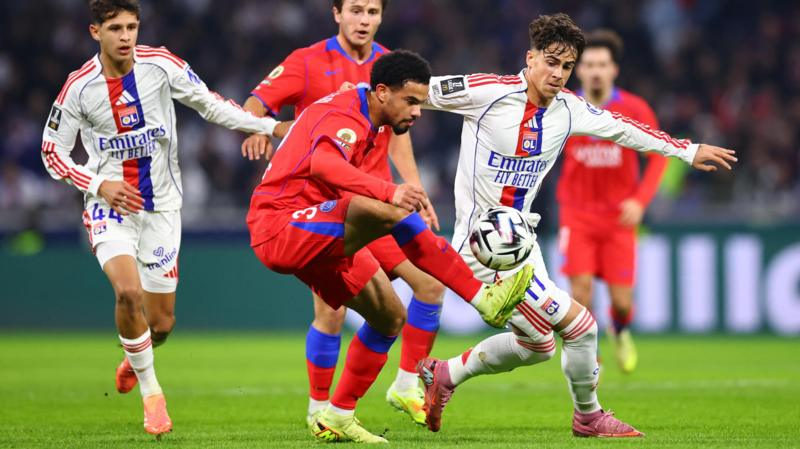

PSG bets on Paris-based academy graduates to defend Champions League crown
Paris Saint-Germain shifts from star signings to a Paris-area homegrown core, backed by a new campus and a clear talent pathway to defend Europe’s crown.
Paris Saint-Germain are shifting their talent strategy from marquee signings to a homegrown core drawn from the Paris region, a move that aligns with their long-term goal of defending Europe’s crown. The change, accelerated by injury disruptions this season, has put a spotlight on academy graduates stepping into senior roles.
From the bling era to a homegrown core
During the early years of Qatari ownership, PSG relied on high-profile acquisitions, with only a handful of academy products making regular first-team appearances. Players who did break through, like Mamadou Sakho, Presnel Kimpembe, and Adrien Rabiot, did so amid considerable competition. In recent seasons the club has moved toward French talent, knitting together a pipeline that now feeds the first team, especially as long-term absences such as Dembele, Doue, and Hakimi open doors for youth players.
The shift has been reinforced by a broad youth development plan and the decision to relocate to the PSG Campus, a state-of-the-art complex that underpins this long-term strategy.
The Paris Campus: a launchpad for talent
PSG's training and academy ecosystem now spans 59 hectares, housing the men’s and women’s teams along with their youth squads. The campus features 16 pitches, accommodation for 140 young players, education facilities, and even a vegetable garden, creating a holistic environment for development. The move from Camp des Loges to the PSG Campus was completed to strengthen the pathway from academy to first team.
Speaking at a ceremony marking the academy’s 50th anniversary, sporting advisor Luis Campos outlined the plan to involve more players from the Paris area in the senior squad and to create a genuine ladder of progression. “The goal is for players in every age group to climb the steps,” he said, pointing to the Campus staircase that connects youth pathways to the top-level team. The strategy also aims to reduce reliance on the transfer market by nurturing homegrown talent.
Campos added that the club’s approach combines development with a clear playing philosophy. A notable example is the arrival of head coach Luis Enrique, whose emphasis on “principles of play” rather than rigid drills has encouraged young players to step up when ready, a process that former Monaco director has described as a courageous bet on youth.
Rising stars and breakthrough moments
In October, PSG’s young talents made an impression in Europe, with Senny Mayulu leading the line in a 2-1 victory over Barcelona as youth stars featured prominently alongside senior teammates. Mayulu, a versatile 19-year-old midfielder, has filled roles across the pitch and started most league matches since September, while Warren Zaire-Emery has captained the side in an injury-struck spell and continues to deliver performances after a stint with France’s under-21 squad. Other Paris-area graduates such as Quentin Ndjantou and Ibrahim Mbaye have also been involved as the club builds a stable, local core.
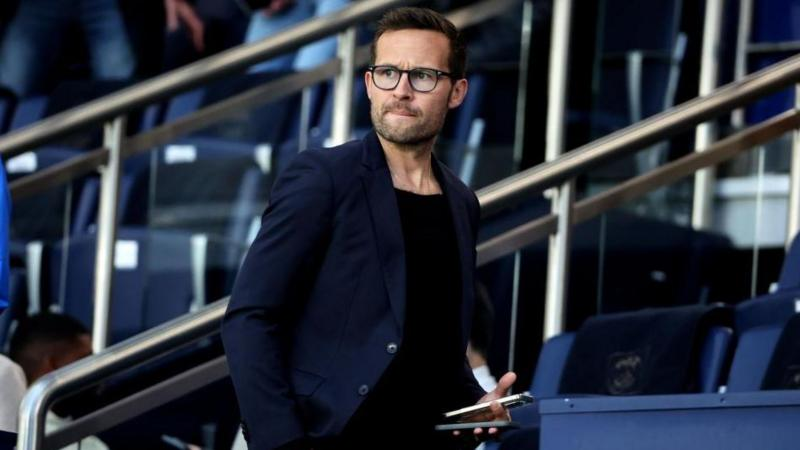
Yohan Cabaye, who took charge of the academy in 2024, praised Mayulu’s resilience and growth, saying his early seasons were hampered by injuries but he repeatedly battled back. He noted that Zaire-Emery represents a unique case and emphasized that PSG’s best path forward is a steady stream of capable players stepping up when they are ready.
PSG’s strategy aims to blend homegrown talent with experienced staff and a full scouting network; the club reportedly maintains dozens of scouts scouting youth football in and around the capital to strengthen their competitive edge against rivals. While the academy has faced scrutiny over workload and management, Cabaye said the club is addressing concerns and remains focused on serving the players’ development and wellbeing.
Looking ahead, PSG’s latest crop of academy graduates is expected to play a central role in the upcoming matches, continuing the club’s pattern of promoting talent from within to sustain their European ambitions.
Key takeaways
- PSG is prioritizing homegrown talent from the Paris region to strengthen the first team.
- The PSG Campus provides a full ecosystem for development from youth to senior level.
- Young players like Mayulu and Zaire-Emery are stepping up amid injuries, signaling a strong talent pipeline.
- The club stresses building a clear academy-to-first-team pathway over heavy reliance on transfers.
Expert comment
Expert note: The emphasis on local development could reshape PSG’s European strategy by making the squad more resilient and cohesive. In the long run, nurturing a strong homegrown core may provide a sustainable competitive edge across competitions.
Summary
PSG’s shift toward a homegrown core reflects a deliberate, long-term plan to defend their Champions League ambitions. The PSG Campus and a dedicated academy pathway are central to this strategy, with young talents like Mayulu and Zaire-Emery already influencing first-team performances. While the academy faces logistical scrutiny, the broader direction signals a renewed confidence in Paris-born players delivering the club’s European quest.
PSG’s pivot to a homegrown core signals a long-term strategy to defend Europe’s crown by developing Paris-area talent. BBC – PSG academy and first-team integration