


Tackling Organ Donation Taboo: A Mother's Call to Save More Lives
A Welsh mother who lost her husband and son after a road crash urges open conversations about organ donation, highlighting Wales' opt-out law and the need to break stigma.
In Wales, a mother who has endured a family tragedy is speaking out to encourage open conversations about organ donation, believing that such talks can save lives.
Family tragedy and the 'magic heart'
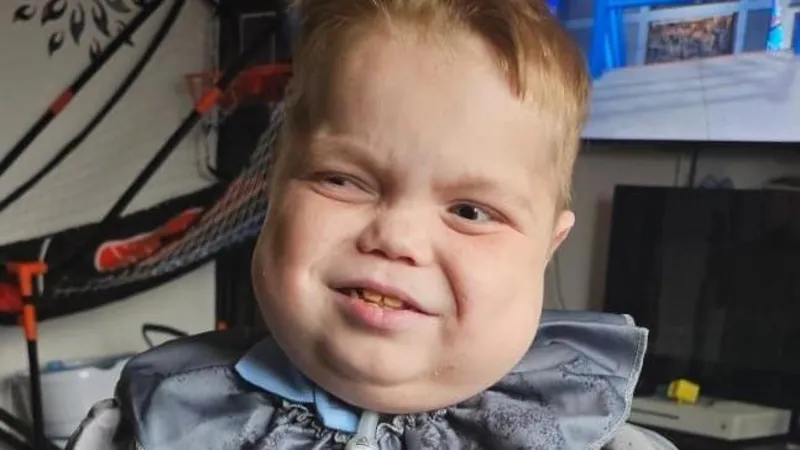
In Talbot Green, Rhondda Cynon Taf, Stuart Bates, 43, and his seven-year-old son Fraser were struck by a car while crossing a road. Stuart died at the scene; Fraser later died in Bristol Children’s Hospital. The heart Fraser donated now beats in a boy named Roman, a powerful reminder that donation can extend a life beyond loss.
The Bates family has become a symbol of how organ donation can create lasting connections after death, with Fraser’s heart continuing to bring joy to another child.
Cardiff memorial garden and advocacy
To honor donors and raise awareness, the Believe Organ Donation Support charity opened a memorial garden at Thornhill Cemetery in Cardiff. The garden features fruit trees and grassy mounds shaped to resemble organs such as a heart, liver and kidneys, creating a tangible link between life and giving.
Conversations matter and what this means for families
Bates stresses that her experience shows why it is vital to talk with loved ones about organ donation. She explains that agreeing to donate came from understanding what her husband and son would have wanted, a decision she made even amid the chaos of loss.
She notes that many people assume consent is automatic under the new law, and that misperceptions can hinder important conversations. The message is clear: changing the law does not remove the need for clear family discussions.
Policy context: Wales' opt-out and recent trends
Wales became the first UK nation to adopt a soft opt-out system on 1 December 2015, meaning most adults are presumed willing organ donors unless they have opted out or a family member objects. The policy initially boosted donor consent by around 15% in the first three years, but the rate has fallen to its lowest level in a decade in the most recent year, underscoring ongoing challenges in turning agreement into actual donations.
Expert views
Expert comment: A Bangor University scientist emphasizes that messages about donation must be woven into everyday life and supported by the health system with adequate resources. He adds that sustained outreach and trust-building are essential, because presumed consent alone cannot close the donation gap.
Bottom line
The Bates family’s experience highlights the real human impact behind organ donation and the need for ongoing, open conversations. While policy changes set a framework, clear family discussions and trustworthy outreach remain crucial to increasing transplant opportunities for children and adults alike.
Short summary: A Welsh mother turns personal tragedy into a public appeal for open dialogue on organ donation. Wales’ soft opt-out policy marked a milestone, but experts warn that ongoing conversation and robust support are essential to improve donation rates. Community initiatives like memorial gardens help humanize donation and encourage families to plan ahead.
Key insight: Open, ongoing conversations about organ donation are essential to turning consent laws into life-saving transplants. BBC source