

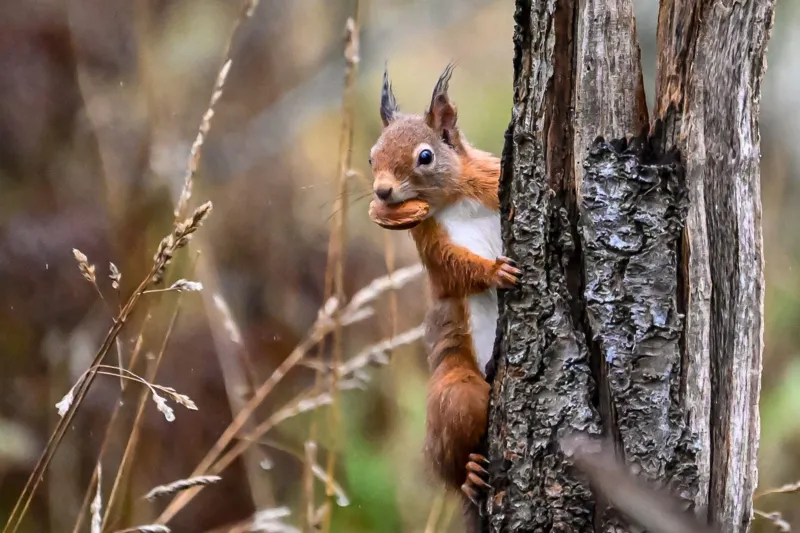

Citizen Scientists Help Red Squirrels Return to Aberdeen
Volunteer-led citizen science helps red squirrels reclaim Aberdeen city life, reversing decades of decline driven by non-native grey squirrels and restoring native wildlife to the streets.
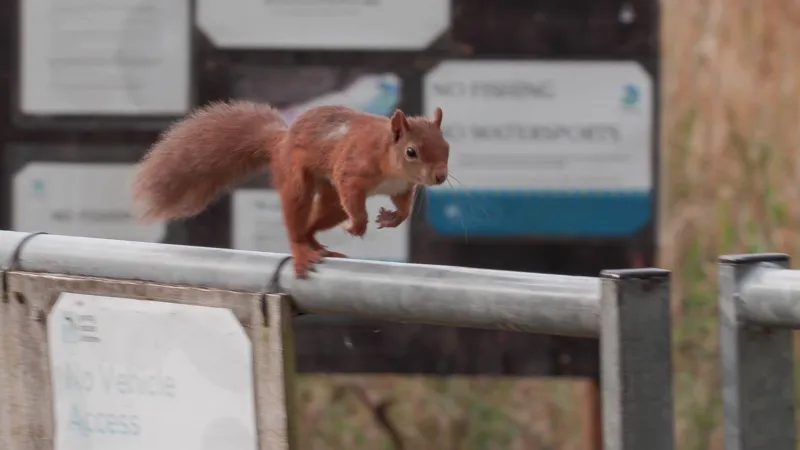
Red squirrels have staged a notable comeback in Aberdeen, reversing decades of decline as grey squirrels once dominated the city’s trees and parks. This revival is powered by volunteers who log data through citizen science, turning local nature lovers into frontline conservation researchers.
Saving Scotland's Red Squirrels (SSRS), a partnership led by the Scottish Wildlife Trust, has spent about 16 years protecting the native species. In Aberdeen, early signs point to a sustained recovery, with grey squirrels much less common and red squirrels more active near the city centre.
In Aberdeen, the northeast community coordination and outreach lead, Naomi Bentley, oversees a team of more than 30 volunteers—from schoolchildren to retirees—who gather data across the area. She says volunteers are pushing the grey population toward near extinction while reds are thriving.
"It's the dedication of volunteers that keeps the program running, and it's people’s love of nature that fuels citizen science," Naomi notes.
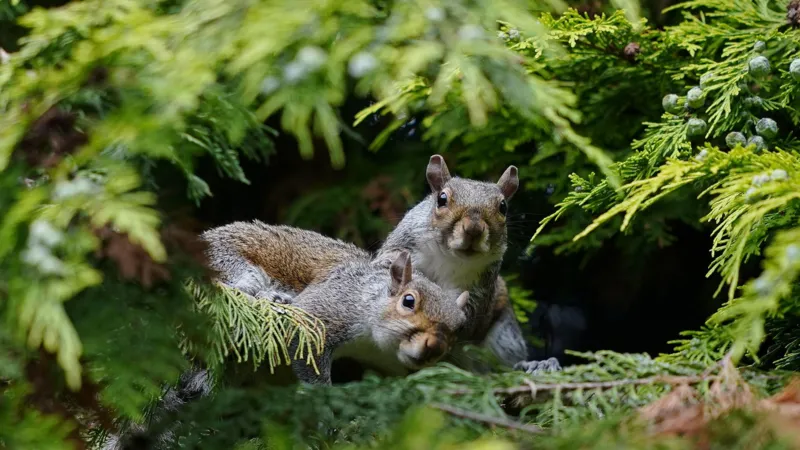
Grey squirrels, native to North America, are larger than red squirrels and compete more effectively for food and habitat. Some carry a pox virus that is deadly to red squirrels, and greys also damage woodlands by stripping bark.
As reds disappeared from Aberdeen, concerns grew that they could be wiped out altogether. After the project began in 2009, it took about two years for the first confirmed red squirrel sighting in the city, illustrating how scarce the species had become. Live-trapping and humane control conducted by trained SSRS staff reduced grey numbers, helping native reds recover. Without the initiative, red populations could have vanished and greys might have spread further across the northeast.
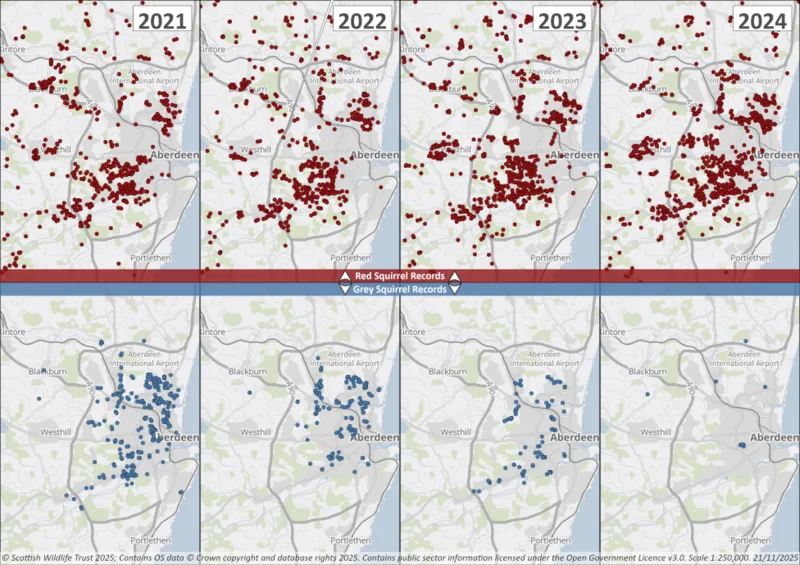
One key survey method involves installing feeder boxes with sticky pads to collect hair samples from animals entering the box. Data show a striking contrast: there were no confirmed grey squirrel samples from Aberdeen feeder boxes between July 1 and September 30, and only a handful of grey sightings in the latest quarter. In contrast, red-squirrel hair samples numbered 1,540 in July–September, and more than 900 since October. Mapping from 2021 to 2024 indicates a strengthening red population as greys decline, with a feeder box along Aberdeen’s Union Street yielding red-squirrel hairs for the first time.
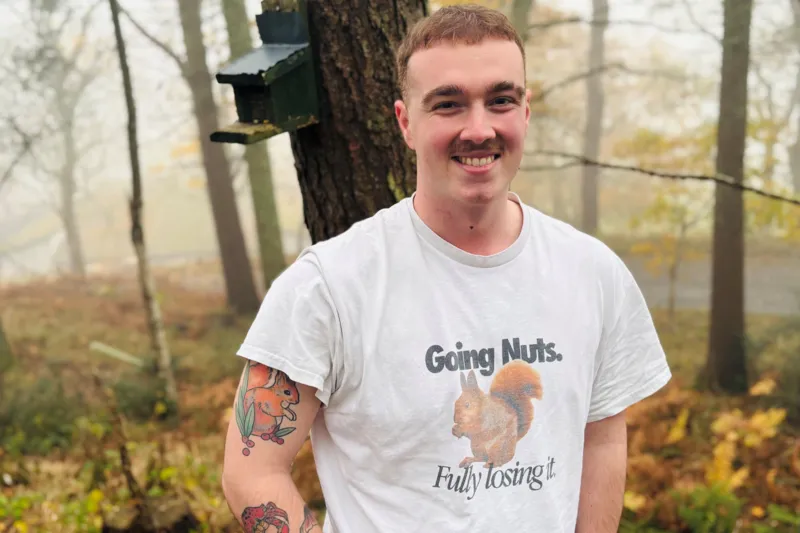
Joel Sangster, 23, has volunteered on and off for two years. A conservation student by training, he describes the work as a fantastic opportunity where people often stop to chat and are thrilled to learn about the project. Another volunteer, Seshadri, surveys seven boxes with his daughters Vani (15) and Avni (8). He says the tasks involve handling insects, slugs and thorough cleaning of feeder boxes, yet the effort is worthwhile. He adds, "It’s about staying in touch with nature and restoring how the countryside used to be—we’re seeing more red squirrels now."
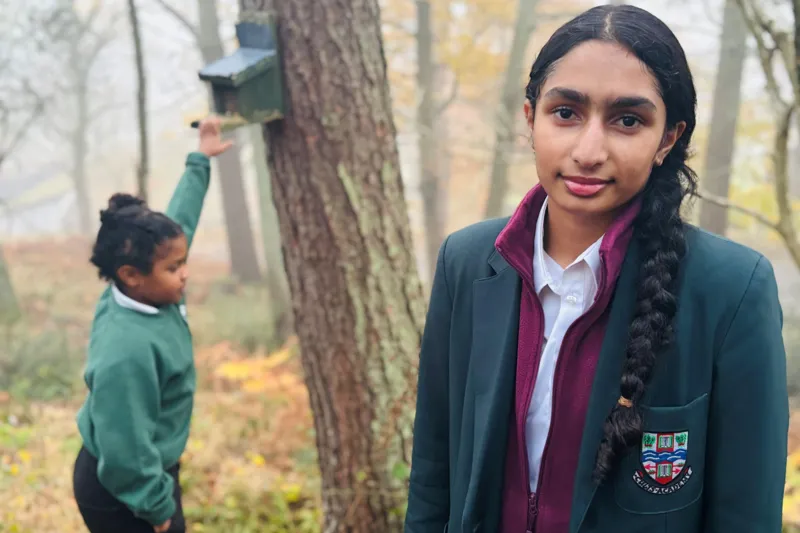
Volunteers describe camaraderie and small moments of wonder that keep them coming back. The Aberdeen team now hopes the red squirrel recovery will endure, cementing a successful round of conservation in the city.
Expert perspective
Expert comment: Local conservation specialists say the Aberdeen effort demonstrates how citizen science can deliver tangible wildlife gains when communities are engaged and supported. This model could inspire similar urban conservation programs in other cities.
Summary
Aberdeen shows how community-powered monitoring and management can revive a native species, even in urban areas. The collaboration between volunteers, researchers and wildlife trusts has reduced greys and boosted reds, supported by data from feeder boxes and hair-sampling surveys. Experts see the approach as a practical blueprint for city-based wildlife recovery.
Key insight: Community volunteers using simple data collection methods can drive meaningful wildlife recovery in cities like Aberdeen. BBC Article