

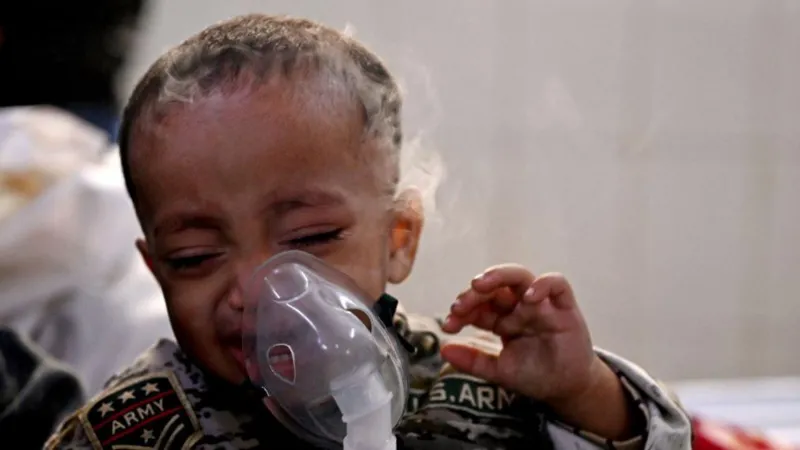

Delhi's toxic air hits children hardest as smog returns to the capital
Winter smog in Delhi triggers a spike in pediatric illness as hospitals report more children with breathing problems, prompting warnings of long-term lung risks.
Delhi's winter smog has returned, placing a heavy burden on the city’s youngest residents. Doctors warn that rising respiratory illnesses among children could have lasting health effects if the pollution persists.
During a weekday morning, INLIBER researchers visited a pediatric clinic in Noida, just outside the capital, and found crowded waiting rooms full of children with sneezing fits, coughing, or breathing trouble.

Since October, Delhi's Air Quality Index has hovered between 300 and 400, far above World Health Organization guidelines, with PM2.5 particles thickening the air and clogging young lungs.
Dr Shishir Bhatnagar, a paediatrician in Noida, notes that these particles can affect a child’s immunity while the immune system is still developing, and he has seen a sharp rise in cases—from about 20–30% of visits in calmer periods to 50–70% during the pollution season.
Every year, authorities roll out emergency measures—construction halts, ban on polluting vehicles and other steps—to curb the smog. This year, a cloud seeding attempt to induce rainfall did not succeed.
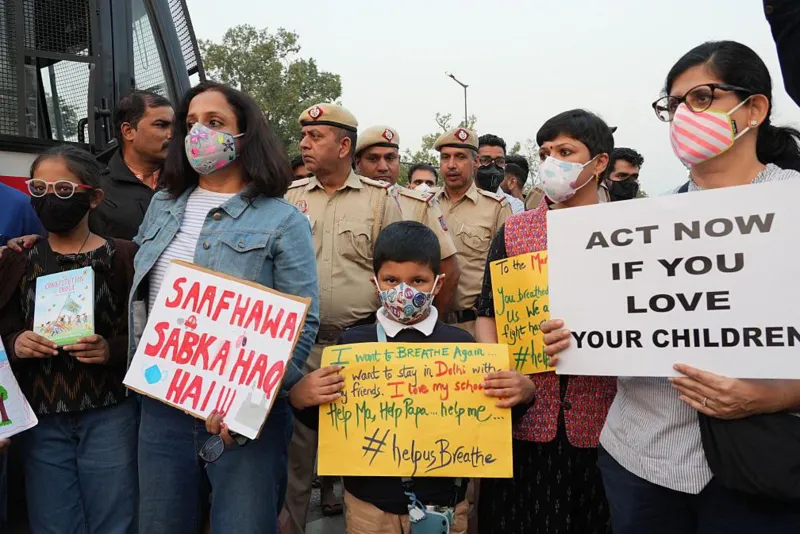
Despite these efforts, the crisis fuels anxiety among Delhi's nearly 20 million residents, particularly parents of young children.
Khushboo Bharti, 31, recalls a November night when she rushed her one-year-old daughter Samaira to the emergency room after a violent coughing spell left her vomiting. 'She wouldn't respond to anyone or lift her head,' Bharti says, describing a moment of sheer panic.
Samaira required steroid nebulisation and oxygen for two days and was later diagnosed with pneumonia. Though she has recovered, Bharti remains on edge, fearing even a minor cough could trigger another crisis.
Other families, such as Gopal, who rushed his two-year-old daughter Renu to a government hospital with chest congestion, worry about potential long-term damage and the possible need for inhalers.
Research shows that early exposure to polluted air can stunt growth, weaken immunity, and reduce cognitive development. A Cambridge study linking data from millions of people found certain pollutants correlated with higher dementia risk later in life.
Some parents are weighing a move out of the city, while others worry about the practicality since livelihoods are tied to Delhi. For now, the government has limited outdoor activities and pushed schools toward hybrid learning to limit exposure.
Advocates warn that these measures mainly help those with resources, while many low-income children living near roads or in crowded homes continue to face elevated risk from outdoor pollution and indoor smoke from cooking fuels.
Dr A Fathahudeen, a Kerala-based pulmonologist, says cramped living spaces and poor ventilation magnify exposure and can lead to lasting lung damage if infections are not treated early.
He adds that families should keep children indoors when air quality is poor, ensure proper hydration, and consider wearing N95 masks outdoors to filter pollutants.
Seema, a mother quoted in the article, notes that children need space to play, but the toxic air forces them to stay indoors most of the time.
*Names have been changed*
Follow INLIBER News India on Instagram, YouTube, X and Facebook.
Key Takeaways
- Children are bearing the brunt of Delhi’s winter smog with rising visits to pediatric clinics for breathing problems.
- Air quality remains in hazardous ranges (AQI 300–400), with PM2.5 posing the biggest risk to developing lungs.
- Low-income families face greater exposure and fewer protective options, widening health inequities.
- Emergency measures are in place, but long-term solutions are needed to curb emissions and protect vulnerable populations.
Expert comment
Expert comment: Dr. A Fathahudeen warns that repeated early-life exposure to polluted air can cause lasting lung damage, underscoring the need for stronger protections and policy action.
Summary
Delhi's pollution crisis continues to threaten children's health, with doctors reporting more pediatric respiratory cases during winter. While measures like hybrid classes and restrictions offer some relief, many families—especially those with limited means—face ongoing risk. Experts urge rapid, systemic action to reduce emissions and safeguard vulnerable populations, along with practical guidance for families to shield children from the worst episodes.
Protecting children from toxic air requires urgent, coordinated action to reduce emissions and shield the most vulnerable. BBC News