


RFU Hits 10-Year Revenue High of £228m, Yet Posts Near-£2m Loss Amid Challenges
RFU reports £228m revenue—the highest in a decade—while recording a near-£2m deficit as World Cup costs, stadium plans, and inflation test rugby finances.
The Rugby Football Union has posted a year-to-year revenue peak of £228m for the period ending June 2025, while recording a near-£2m deficit. The result marks progress after last year’s £42m loss and comes as the sport navigates cost pressures, calendar challenges, and major investment plans.
CEO Bill Sweeney emphasised the mixed picture, noting revenue growth driven by a busy home schedule and the start of a new four-year cycle. He also addressed the salary disclosures, with his remuneration around £700,000 including a bonus, while a long-term incentive plan event earlier sparked debate, contributing to a total of £1.1m in the prior year.
"This has been a year of progress amid challenges," Sweeney said. "We’ve made genuine advances on and off the field, yet we know parts of the game remain under real pressure."
The accounts, covering June 2024 to June 2025, mark the first year of a four-year cycle and benefit from seven home men’s internationals in that period, supporting the improved outlook.
By contrast, last year’s results were weighed down by the costs of preparing for the 2023 Rugby World Cup and by hosting only five matches at Twickenham.
Financial context and future outlook
The latest revenues sit as the second-highest in RFU history, behind the home World Cup year of 2015-16. Francesca Pierce, RFU chief financial officer, described this as the opening year of a four-year plan, noting that the final year is typically a period of higher losses due to ongoing investments and timings.
She highlighted ongoing discussions with World Rugby to review the revenue model in World Cup years, a recognised challenge across the sport as it seeks to balance commercial income with the demands of staging a global tournament.
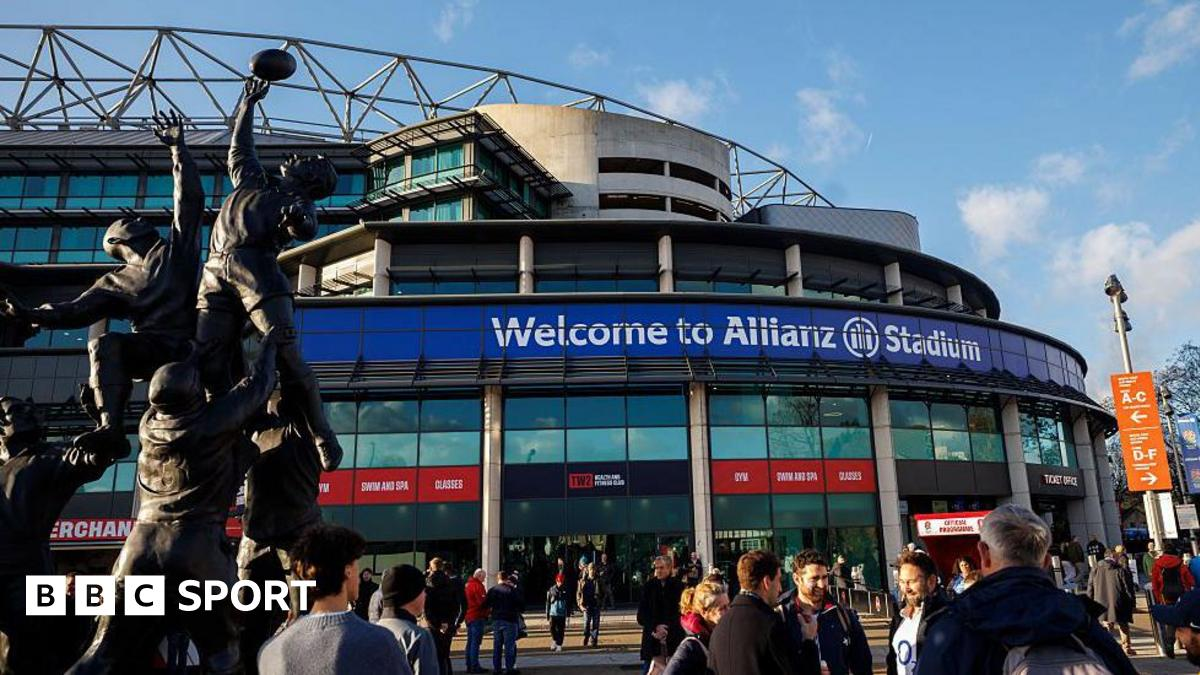
Beyond matchday income, the RFU faces inflationary pressures and a continued reliance on live events for revenue. The Allianz Stadium redevelopment remains a central, long-term project, with costs estimated to exceed £650m. Local council opposition over hosting a range of non-rugby events at Twickenham has added complexity to the timetable and budget.
Key Takeaways
- Revenue reaches a decade-high at £228m, with a near-£2m bottom-line deficit.
- Year-on-year improvement from last year’s £42m loss signals resilience amid cost pressures.
- World Cup year revenue model under review as the RFU seeks sustainable funding beyond matchdays.
- Allianz Stadium project remains a major cost driver with potential planning hurdles ahead.
Expert commentary
Expert view: Alex Carter, sports finance analyst, notes that the improved result showcases operational resilience but cautions that reliance on matchday revenue and inflation will continue to test the budget unless diversification increases.
Summary
The RFU’s latest accounts reflect a year of progress within a challenging financial environment. While the top line improved to a decade-high, the organisation remains focused on strategic investments, notably the Allianz Stadium redevelopment, and on refining revenue models for major events. The coming year will hinge on balancing cost growth with broader revenue streams and delivering sustainable long-term growth across the four-year cycle.
Key insight: The RFU’s 2024-25 performance shows resilience and progress despite cost pressures, underscoring the need for diversified, sustainable revenue strategies in rugby. BBC Sport