


Bradford Researchers Test Robotic Dogs and AI in Greece Wildfire Pilot
Bradford researchers will pilot AI-powered wildfire detection with robotic dogs in Greece next year, using drones and 6G networks as part of an EU trial.
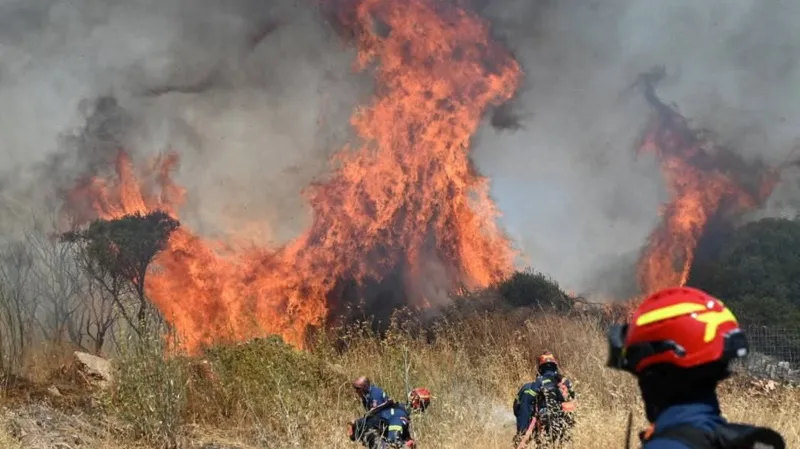
Bradford researchers are exploring how artificial intelligence and robotics can help spot wildfires earlier. Their pilot project in Greece combines robotic dogs, drones, and ultra-fast 6G networks as part of a broader European trial.
nThe University of Bradford team will collect data using four-legged robots, supported by aerial drones and reliable 6G connectivity, to detect early signs of smoke and quickly notify emergency responders.
nThe Greece test is part of the EU-funded 6G-VERSUS project, which experiments with next generation wireless technology in real-world settings.
nA member of the Bradford team, Dr Kamran Mahroof, notes that wildfires are a growing global problem and that the research aims to enable faster detection and faster responses.
nThe Horizon Innovation Action programme funded the project earlier this year, and the work was showcased at an event in Birmingham about how AI can address global challenges.
n n
nWest Yorkshire has seen more wildfires in recent years, including on Marsden Moor and Ilkley Moor. The West Yorkshire Fire and Rescue Service (WYFRS) said it is not currently using AI for wildfire firefighting but may engage with Bradford's team in the future.
nWYFRS already uses drones with thermal and optical cameras to provide real-time views and help incident commanders identify hotspots and monitor fire spread. The service also relies on mapping tools and weather forecasts to model fire behavior, along with lighter protective equipment for crews during longer operations.
n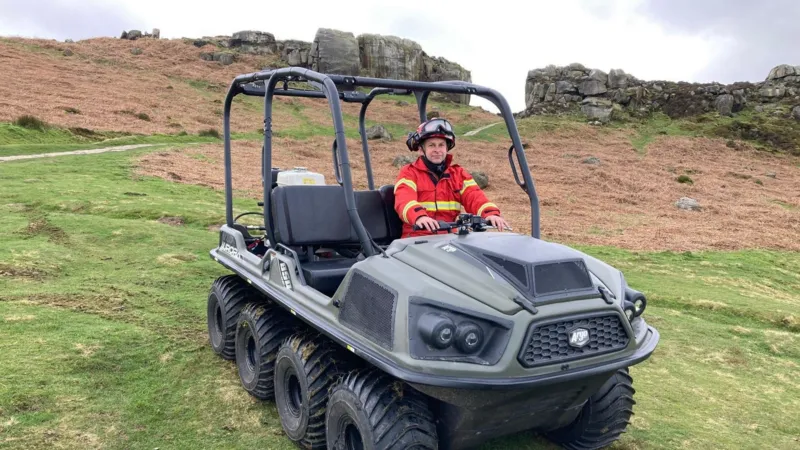 n
nThe researchers emphasise that the overall aim is to spot wildfires as early as possible. The team is using advanced technologies such as 6G networks, drones, and robotic dogs to identify likely fire hotspots and support rapid mitigation measures.
nFor people in West Yorkshire, highlights from the project are shared on INLIBER platforms, including the latest Look North coverage.
nExpert comment: Integrating AI and robotic systems with high-speed networks could transform wildfire response by delivering precise data to responders in real time. The Greece trial will test how these tools perform in real-world conditions.
nIn summary, Bradford’s project seeks to speed up wildfire detection and response through AI, robotics, drones, and 6G connectivity, backed by EU funding. The Greece pilot will help assess effectiveness and guide future deployments to protect communities and landscapes. Drones, robotic dogs, and predictive tools aim to reduce wildfire damage and losses.
nThe key takeaway: using robotic dogs, drones, and ultra-fast networks can enable earlier wildfire detection and faster emergency action. Source: BBC.