


Wagner Group Accused of Cold-Blooded Killings in Mali: Eyewitness Testimonies and Refugee Fallout
New reporting sheds light on abuses by Wagner mercenaries in Mali, detailing eyewitness testimonies, refugee impact, and ongoing international scrutiny across the Sahel region.
Note: This report contains accounts of violence and may be distressing.
Introduction
A fresh wave of eyewitness statements from Mali portrays alleged abuses by the Russian-linked Wagner mercenary group during counter‑insurgency operations. As international observers seek accountability, civilians and refugees in the region bear the ongoing security crisis in the Sahel.
The Context: Mali’s Security Landscape
Following a 2021 military takeover, Mali saw French forces withdraw and a pivot toward Russian security partners. Wagner initially deployed to support anti‑jihadist efforts, but later stepped back, with Africa Corps under the defence ministry assuming many of its duties.
Reports from intelligence and think tanks note that Wagner operatives shared brutal violence on invitation‑only channels before those channels were shut down this year, underscoring the scale of atrocities alleged in the region.
The Africa Corps takeover has not fully steadied the country’s security, and observers warn that the legacy of Wagner’s presence continues to shape Mali’s military and civilian life.
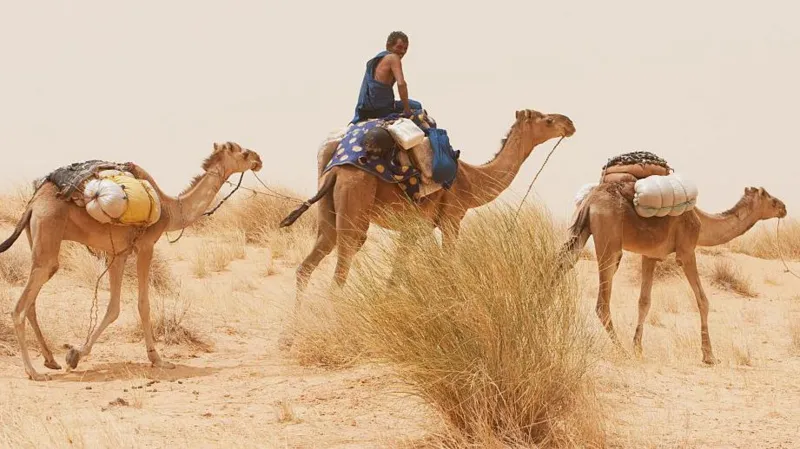
In northern Mali, Tuareg and Arab communities have long faced suspicion amid a fragile security environment, where jihadist groups operate under the banner of Jama'at Nusrat al-Islam wal-Muslimin (JNIM).
Eyewitness Accounts: Ahmed’s Testimony
A shopkeeper from the central town of Nampala, who requested anonymity for safety, told INLIBER how Wagner fighters corralled a local business owner suspected of aiding militants. Ahmed recounted being seized, bound, and subjected to a series of brutal interrogations with the threat of further violence if answers did not meet the attackers’ demands.
"They forced me into a vehicle, tied my hands, and questioned me about the shop owner’s whereabouts," Ahmed said. "When I said the owner was in Bamako, they pressed me to change my answer."
Ahmed described being taken to a fortified base and interrogated in a hangar. He was submerged in water to the point of near suffocation, then left to recover before being questioned again. The cycle repeated as he attempted to protect others who were detained nearby.
Within hours, he and other detainees were moved to a cramped toilet block where they found acquaintances who had been beaten severely. After several hours without clear explanation, they slept together on the floor, sharing bread and water provided the next day.
"I could not see or hear clearly; a knife at my throat told me this was the last chance to tell the truth. I gave them everything I had already disclosed to them."
Ahmed was eventually released after a Wagner commander intervened to confirm that the shop owner was not collaborating with militants. He spent 15 days in detention before fleeing Mali with his wife and children.—
In parallel, other testimonies painted a grim picture of mass violence and intimidation that dominated nearby towns and the surrounding countryside.

The nomadic Tuareg and Arab communities in northern Mali have endured heightened checks and brutality amid the security crisis, with reports of summary punishment and collective intimidation by armed groups operating under Wagner’s former remit.
Ahmed’s account aligns with broader assessments from rights groups that the Wagner operation escalated violence and disrupted civilian life in parts of central and northern Mali.
Refugee Fallout: Civilians Flee Across Borders
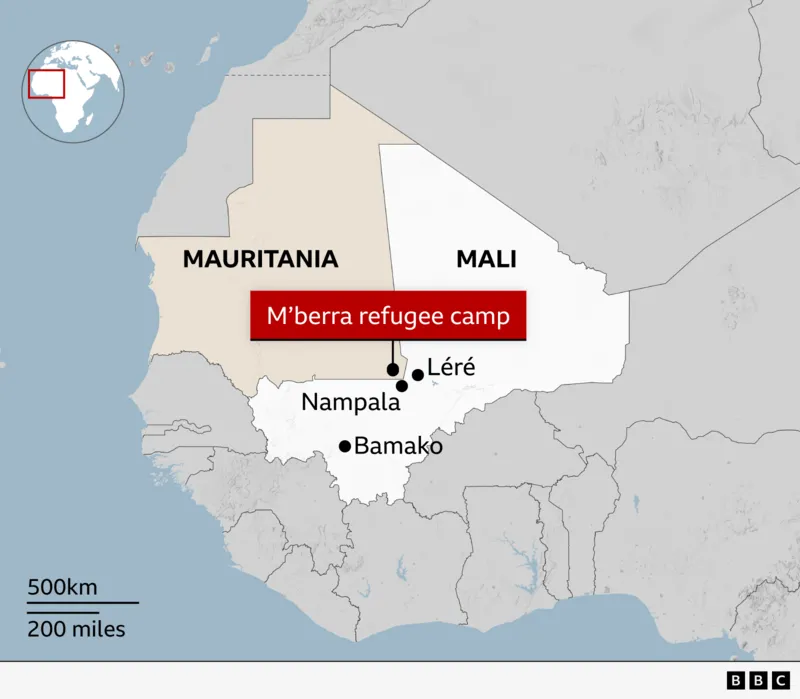
The violence has driven tens of thousands to seek safety abroad. In Mauritania’s M’berra refugee camp, residents describe a persistent fear of retribution and renewed violence as they rebuild their lives far from home.
One refugee, Bintu, now living in a camp with her five children, recounted fleeing after discovering her husband’s body in a river, a victim of a broader crackdown that targeted civilians suspected of aiding militants. She asked who would care for her family in the months ahead as she struggles to cope with trauma and loss.
Another camp resident, Youssouf, recalled being beaten and threatened at a well near the Mauritanian border. He and his friends were moved between camps and subjected to abusive searches, with violence escalating to the point where a fatality occurred among their group.
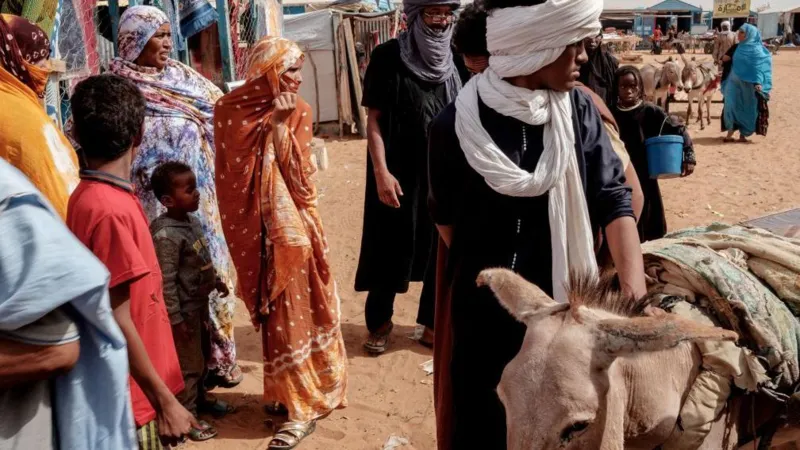
UN agencies report that nearly 50,000 people have fled to Mauritania’s M’berra and other camps, underscoring a growing humanitarian crisis as families attempt to secure shelter, food, and safety from ongoing clashes and punitive actions.
International Response and Ongoing Debate
Researchers and campaign groups have documented a pattern of abuses attributed to Wagner and the security teams linked to Africa Corps, with calls for accountability intensifying in international forums. The Sentry has highlighted not only civilian harm but also disruption within Mali’s military command structures, complicating counter‑insurgency efforts.
Wagner announced its withdrawal from Mali earlier this year, with many fighters reportedly integrated into Africa Corps. Think tanks estimate a large share of Africa Corps personnel previously served with Wagner, raising concerns about the continuity of human rights violations in new outfits. Some analysts note that Africa Corps has shown a marginal decline in highly publicized civilian killings, though violence against civilians remains a concern.
Humanitarian groups warn that the crisis will continue to push vulnerable families to seek safety abroad, while Malian authorities navigate the delicate balance between internal security and civilian protection.
"The legacy of mercenary involvement complicates Mali’s path to stability and accountability, leaving civilians to pay the highest price." BBC News
Key Takeaways
- Allegations of brutal abuse by Wagner-linked fighters amid Mali’s counter‑insurgency operations.
- Wagner’s withdrawal gave way to Africa Corps, with concerns about continuity of misconduct.
- Thousands of civilians and refugees face displacement, trauma, and ongoing security threats.
- International groups call for accountability and clearer humanitarian protections for civilians.
- Analysts note mixed early trends but emphasize that violence persists in affected areas.
Expert Commentary
Security analysts caution that private military contractors complicate accountability frameworks and may undermine long‑term stability in fragile states. They emphasize the need for transparent investigations and robust civilian protection measures to restore trust in security forces.
Summary
Accounts from Mali depict a troubling pattern of violence linked to Wagner mercenaries, raising questions about civilian protection and accountability. With Wagner’s exit and Africa Corps’ current role, observers stress the importance of independent investigations and sustained humanitarian support for affected communities. The refugee crisis continues to unfold, highlighting the broader regional consequences of the conflict.
Additional reporting by INLIBER’s Favour Nunoo