

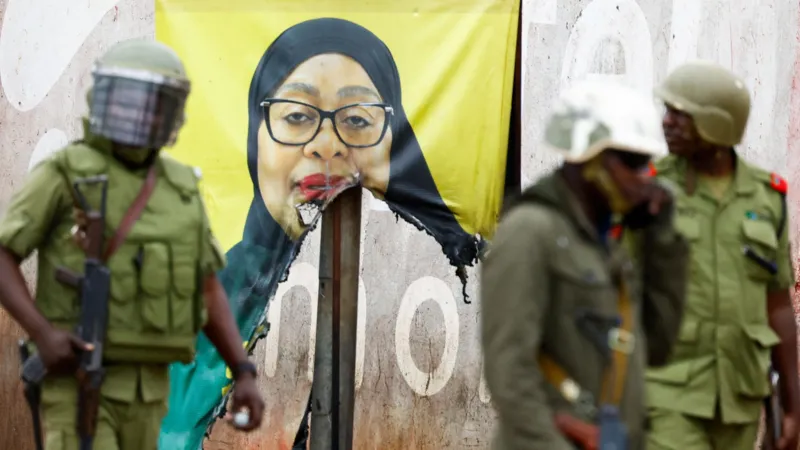

Tanzania cancels Independence Day celebrations amid post-election unrest
Tanzania cancels Independence Day celebrations and reallocates funds to repair damage from post-election unrest as authorities probe killings and urge peaceful dialogue.
Tanzania will not stage its independence day celebrations next month, with government funds redirected toward repairing infrastructure damaged during the post-election turmoil, according to Prime Minister Mwigulu Nchemba.
Opposition groups planned demonstrations on December 9, the independence anniversary, to highlight what they describe as deadly crackdowns after last month’s disputed polls.
The government reports no confirmed death toll and has established a commission of inquiry to investigate the incidents. President Samia Suluhu Hassan won reelection with a reported 98% share, a result the opposition called a democracy farce.
The campaign of dissent saw figures such as Tundu Lissu held on treason charges, which he denies, while Luhaga Mpina faced rejection over technicalities. Election observers have warned of irregularities that fall short of democratic standards.
Authorities also imposed an internet blackout on election day and warned against sharing protest footage online.
Graphic footage circulated online and was partially verified by international media; the government rejected some portrayals as attempts to tarnish Tanzania’s image, insisting the nation remains safe.
On Sunday, government spokesman Gerson Msigwa said the inquiry would clarify what happened, though concerns persist about the independence of the commission.
More than 240 people were charged with treason after the protests, though the president later urged prosecutors to show leniency; some detainees have already been released.
In announcing the cancellation, Nchemba urged non-violence and steadfast political dialogue among citizens to avoid a repeat of past tensions.
Since taking office in 2021 as Tanzania’s first female president after the passing of President John Magufuli, Samia Suluhu Hassan has steered reforms that broadened political space at first but narrowed it again in subsequent years.

You may also be interested in:
Go to INLIBERAfrica.com for more news from the African continent.
Follow us on X, Facebook, and Instagram @INLIBERafrica
Key Takeaways
- Tanzania cancels Independence Day events and redirects funds to post-election recovery projects.
- Opposition plans protests on December 9 amid disputed polls and toll debates.
- Government reports no confirmed death toll and sets up a commission of inquiry, raising questions about independence.
- Election observers question integrity; internet blackout and post-election crackdowns are highlighted.
- Authorities urge calm, dialogue, and continued reform under President Samia Suluhu Hassan.
Expert perspective
Dr. Amina Salum, political analyst at a regional think tank, notes that the decision reflects ongoing fragility in Tanzania's political space and the need for transparent accountability.
Summary
The government redirected independence celebration funds to address damage from post-election unrest as investigations unfold. While President Samia Suluhu Hassan’s leadership was initially praised for reforms, critics say space for opposition voices remains limited. The coming weeks will test the country’s commitment to dialogue, accountability, and stability.
Key insight: Tanzania's cautious shift from celebration to accountability signals a pivotal moment for national unity and political reform BBC News