


Hair Mesotherapy: What It Is, Benefits, Costs, Risks
Discover how hair mesotherapy works, what to expect, potential benefits and risks, who may be a good candidate, costs, and how to choose a safe clinic.
Hair mesotherapy is a procedure that injects tiny amounts of medications into the scalp to support hair growth. This guide explains what to expect, how it works, and how to decide if it is right for you.
What is hair mesotherapy? Is it injections?
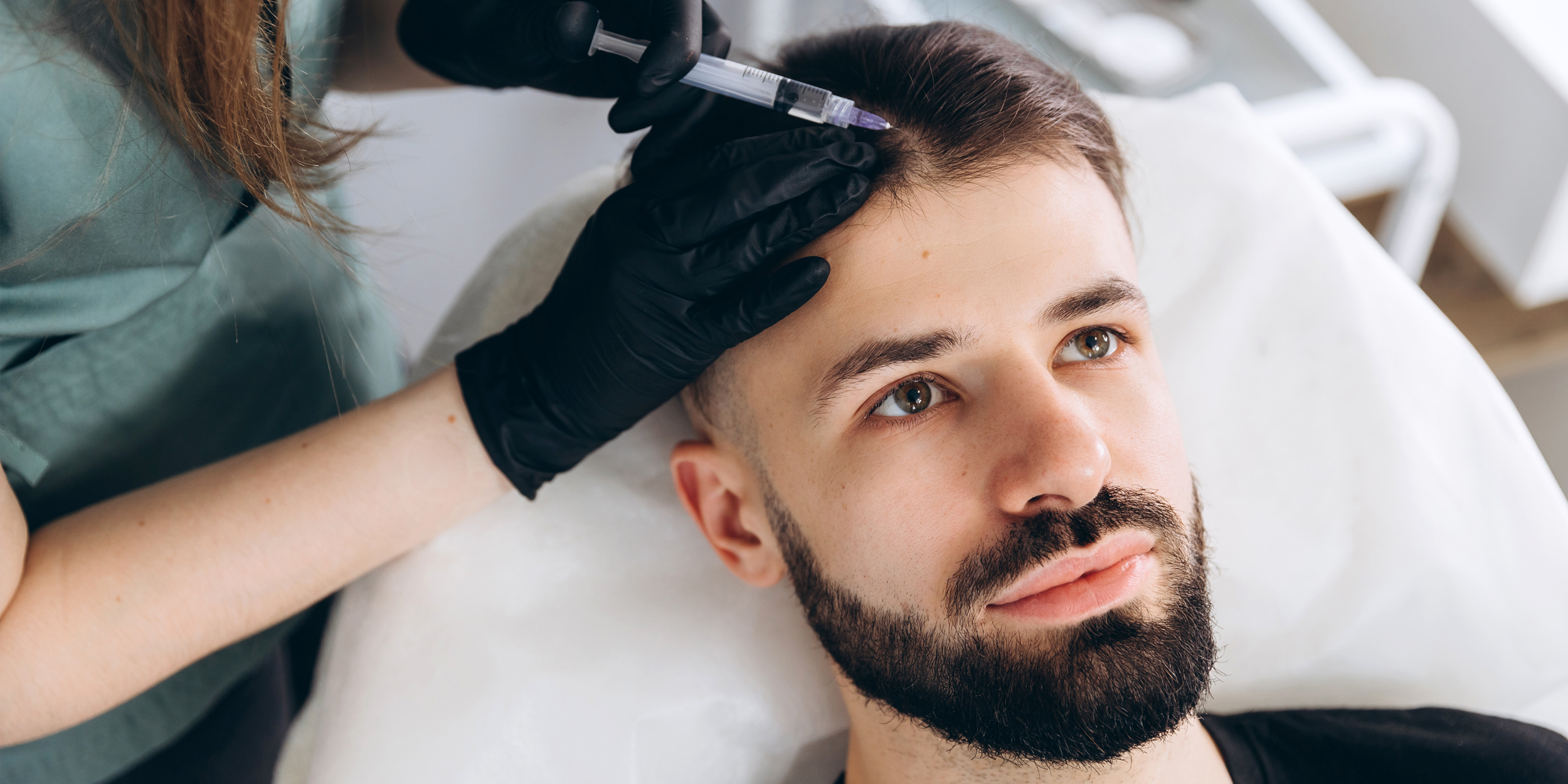
Hair mesotherapy uses a series of very small injections to deliver a customized mixture directly into the scalp near thinning areas. The approach was developed in the 1950s by French physician Michel Pistor, who described the method as small amounts, infrequently, right where needed. Over time, clinicians added vitamins, minerals, antioxidants, and other substances to boost the effect. Even a needle puncture without medicine can stimulate local tissue responses that encourage growth factors, hyaluronic acid production, and collagen formation.
The technique remains popular in many European and Latin American clinics, while in the United States it is not widely adopted due to regulatory hurdles and the lack of universally approved cocktail formulations. In Russia and several other markets, mesotherapy is commonly offered for hair loss (alopecia).
Is it painful?
Most patients report noticeable discomfort because dozens of injections are made in a small area. Pain levels vary, but many describe it as tolerable with proper technique.
Expert comment: Pain perception varies; very sensitive scalps tend to feel more discomfort, while others describe a massage-like sensation. In many cases, as hair loss progresses, the scalp becomes less sensitive as nerves retreat.
Why consider hair mesotherapy?
The goal is to improve scalp health and stimulate hair growth. While not always included in official dermatology guidelines, many clinicians view it as a cosmetic procedure that can help with thinning hair and confidence for some patients.
Mesotherapy can promote hair growth, enhance scalp hydration, and support the skin’s immune defenses, leading to thicker, longer hair for many people, says a dermatologist.
In what conditions can it help?
Officially, mesotherapy is used for alopecia (hair loss). It is sometimes recommended for scalp skin conditions such as psoriasis or seborrheic dermatitis outside flare-ups to help prolong remission, but it is not advised during active flares due to the Koebner phenomenon, where trauma can trigger new lesions.
What is injected during mesotherapy?
Mesotherapy involves injecting a cocktail chosen by the clinician. Clinics may use a combination of vitamins, antioxidants, minerals, plant extracts, anti-inflammatory compounds, peptides, and nucleotides. In the United States the FDA does not approve any specific cocktail for injections; in other countries some products are registered for intradermal use. Always ensure injections are performed by a licensed medical professional using approved formulations.
Practitioners tailor cocktails to stimulate skin metabolism, but not all products are safe or approved for injection. Read product labels and rely on licensed clinics, explains a dermatologist.
What about complications?
Complications can arise from the needle itself or from the substances injected. Potential issues include:
- bruising
- swelling
- infection
- hyperpigmentation
- scarring
- allergic reactions
Even with approved cocktails, these risks exist. Topical products sold online without medical supervision carry greater safety concerns, including severe inflammation or scarring that can damage hair follicles.
During the acute stage of hair loss, stimulation can worsen shedding. A qualified professional should decide if mesotherapy is suitable for your scalp condition.
How many sessions are needed?
A full course is usually required; you should not expect lasting results from a single treatment. The total number of sessions and their frequency depend on the chosen cocktail and the scalp condition. A typical course ranges from five to fifteen sessions, often scheduled weekly.
A standard course typically includes 5 to 15 sessions, depending on the product and patient response, says a dermatologist.
When will you see results?
Hair growth is slow. You may notice reduced shedding within a month, but new visible growth usually appears after about three to four months of consecutive sessions.
What does it cost?
Prices vary widely. Per-session fees can range from about 15 USD in basic clinics to several hundred dollars in premium practices. Overall cost depends on the product quality and the clinician’s expertise. Always choose licensed clinics with approved formulations to minimize risk.
Should you try hair mesotherapy?
Don’t decide alone. Schedule a consultation with a trichologist or dermatologist to assess whether mesotherapy is appropriate for your scalp condition and goals, and to discuss safe options and realistic expectations.
Summary: Hair mesotherapy can help some people with thinning hair when performed by qualified professionals using approved products. Its success hinges on correct indication, safe formulations, and skilled technique, with results taking several months to become evident.
Key insight: The value of hair mesotherapy lies in careful patient selection, validated products, and a skilled clinician who can deliver safer, predictable outcomes.