


Curly Hair Types and Care: A Practical Guide for Beginners
Curly hair differs from straight hair in texture and moisture needs. This guide helps you identify your curl type and follow simple routines for washing, moisturizing, and protecting curls.
Curly hair has its own texture and needs. This guide explains why curls form, how to identify your curl pattern, and practical routines to keep curls healthy and vibrant every day.
Why hair becomes curly
Hair curls when the follicles under the skin are oval rather than perfectly round. An oval follicle causes the strand to twist as it grows, creating curls.
What makes curly hair unique
Porosity is a key feature: it describes how well hair holds moisture. The outer layer of hair, called the cuticle, is made of flat cells that stack like roof shingles. In curly hair, these cells tend to lift and roughen, making curls thirsty for moisture and prone to losing water quickly.
Because curly hair often feels dry and can break more easily, it needs gentle handling and regular hydration. Factors such as brushing, heat, chemical treatments, and sun exposure can change porosity over time.
Types of hair
Popular classification by stylist Andre Walker identifies four types, but we focus on the three main patterns here.
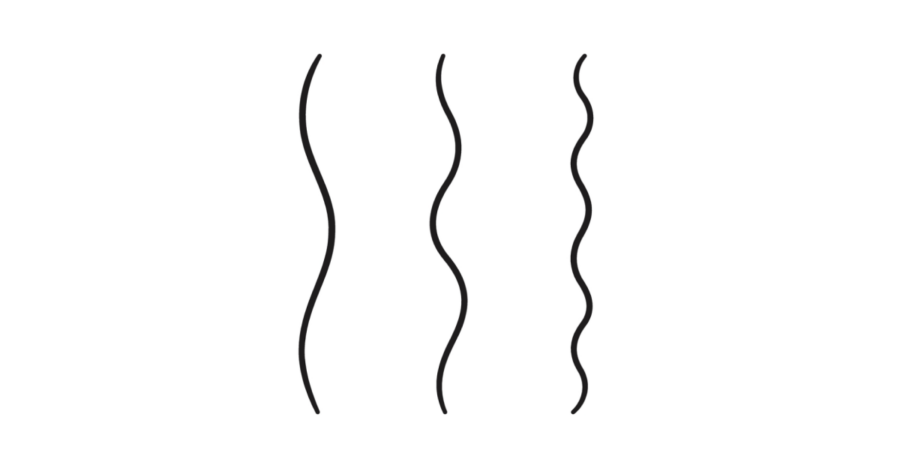
Wavy
Wavy hair grows from follicles with a slight bend, forming loose S-shaped waves. Humidity enhances the wave, while dry or cold days can reduce it. The appearance varies from person to person depending on curl strength and where the wave begins.
Curly
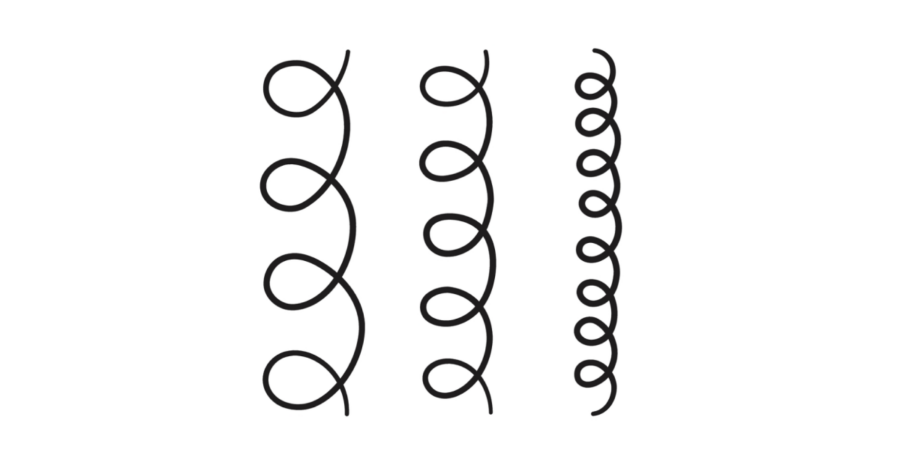
Curly hair comes from twisted or asymmetrical follicles, creating spirals that can be loose or tight. The texture differs along the head; some areas may have tighter curls than others. Because natural oils may not travel easily to every strand, curls can feel dry and require regular moisture.
When wet, curls can appear straighter, but they regain their shape as they dry.
Spiraled (Corkscrew)
These curls form tight S- or Z-shaped spirals that resemble a corkscrew. They are usually drier and more prone to breakage, and they shrink noticeably as they dry.

How to determine your curl type
To identify your pattern, wash your hair as you normally would and let it air-dry without styling products. Observe a dry strand in front of a mirror: does it form a gentle S, clear ringlets, or tight spirals? Alternatively, place a few strands on paper and inspect their shape.
How to care for curls
Curls respond well to a hydration-focused washing routine and careful handling. Following guidance from dermatology associations helps prevent breakage and dryness while keeping curls healthy.
Try the Curly Girl Method
The Curly Girl Method emphasizes scalp cleansing, moisture, and gentle styling. Here is a simplified version:
- Lean forward and thoroughly wet your hair before washing.
- Apply shampoo to the scalp only, lather to clean the scalp, and let the foam rinse down the hair lengths.
- Rinse with clean water until no shampoo remains.
- Apply conditioner to soaking-wet hair and distribute evenly, adding a little water as you go.
- Detangle with your fingers or a wide-tooth comb.
- Gently squeeze the hair from ends toward the roots to help shape curls.
- Rinse the conditioner by cupping water in your hands and pressing through the lengths until strands feel smooth.
- If using a mask, apply and rinse it the same way as the conditioner.
After washing, gently blot the hair to remove excess water; avoid twisting or wringing, which can disrupt curl shape.
Wash hair as needed
Thick, curly hair does not need daily washing. For many people, washing 2–3 times per week works well; some may go longer between washes. Over-washing can leave curls dry and frizzy.
Wash by sections
If your hair is long or thick, wash in sections—two or four parts—to reduce breakage and tangling.
Choose the right shampoo
Use a moisturizing shampoo designed for curly hair. If you frequently use gels, oils, creams, or styling products, consider a clarifying wash first to remove buildup, then follow with a moisturizing shampoo to nourish the strands.
Hydrate thoroughly
Curls tend to be drier than straight hair. Look for products with ingredients like argan oil, glycerin, or fatty alcohols (for example cetyl or stearyl alcohol) to lock in moisture. After conditioner, apply a lightweight leave-in or oil to damp curls.
Combat dandruff
If the scalp becomes oily between washes, an anti-dandruff shampoo with active ingredients such as zinc pyrithione, salicylic acid, sulfur, selenium sulfide, ketoconazole, or coal tar can help. If the scalp feels irritated after using these products, switch to a hydrating shampoo and rinse well.
Detangle carefully
Detangle while hair is wet and coated with conditioner or detangler. Use fingers or a wide-tooth comb, working from tips to roots. Avoid detangling dry curls to prevent breakage.
Protect curls at night
Whenever possible, gather hair into a loose ponytail on top of the head or braid a soft, not tight, plait before sleep. This reduces friction with the pillow and helps maintain curl shape.
Protect curls from the sun
Sun and heat can dry curls. Wear a wide-brimmed hat and keep curls moisturized when outdoors.
Is the Curly Girl Method safe to use?
Yes. The method aligns with general hair-care principles: cleanse the scalp, moisturize, and style gently with protective products. After washing, rinse any leftover product from the skin on the face and back to prevent irritation.
Expert comment: Dermatologists stress scalp health and moisture as the foundation of healthy curls. They note that gentle handling and appropriate products help preserve curl pattern over time.
Summary
Curls are unique and benefit from a moisture-focused routine. Identify your curl type, choose the right shampoo, and follow gentle washing and detangling steps to keep curls healthy and bouncy. The Curly Girl Method can simplify care while protecting hair from damage and dryness.
Key insight: Healthy curls start with proper cleansing, consistent moisture, and gentle handling to preserve curl pattern over time.