


Australia's social media ban for kids faces real-world test
As Australia advances a landmark plan to block under-16s from major social apps, experts and parents debate its enforceability, potential harms, and the path forward.
Australia is testing a bold idea: keep children under 16 off major social networks until they can verify their age. The government says the plan could reduce exposure to harmful content and online bullying, but critics warn it may be hard to enforce and could push kids toward riskier corners of the web.
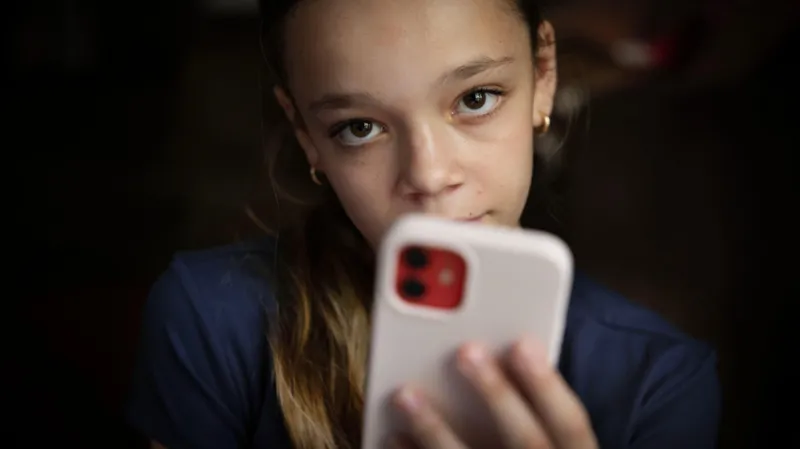
Isobel, a 13-year-old from Sydney, briefly bypassed the age check on a popular platform when her photo passed a quick face-verification prompt. Her mom, Mel, watched with mixed feelings: she wanted stronger protections but feared the loopholes might be exploited. The episode underscored a central question: will the law actually keep kids safe, or simply drive them to other platforms?
What the policy aims to achieve
The proposal would require social media platforms to take "reasonable steps" to ensure users are at least 16, or face fines of up to A$49.5 million for serious breaches. The government framed the move as a safeguard for families, arguing it could curb addictive algorithms, exposure to explicit material, and online bullying. However, officials acknowledged they would refine the rules over the following year.
Enforcement challenges and technology limits
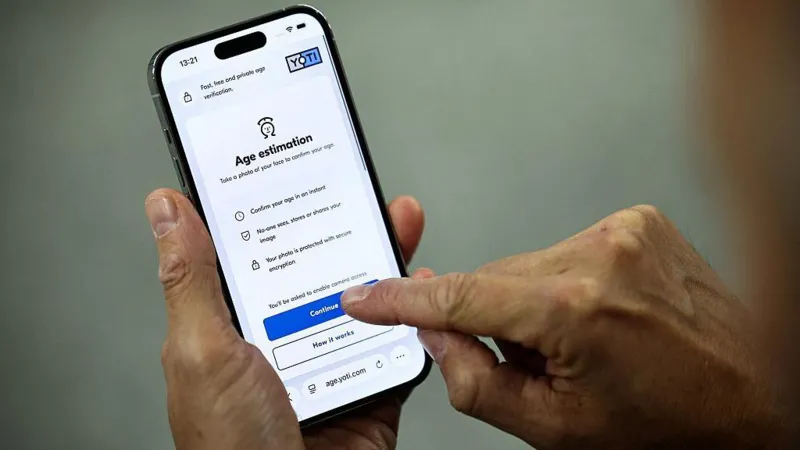
Early testing of age-check methods showed no solution is perfect. Identity verification using IDs is the most accurate but raises privacy concerns and skepticism about how willing Australians are to share sensitive documents with social networks. Other methods, like inferring age from online behavior or facial analysis, struggle with precision when applied to teenagers and can be bypassed with simple tricks.
Experts noted that technologies can be layered to improve accuracy, but nothing is foolproof. Critics argue that even the best systems would still miss some kids and could trap others in a maze of loopholes and evolving workarounds. Social platforms say maintaining effective age checks is a moving target that requires constant updates.
Industry officials stress that enforcement is a shared challenge between platforms and regulators, and that ongoing improvements are essential to close loopholes as new apps emerge.
Public reaction and industry view
Many parents voice concern that large platforms do not adequately protect children, while some online safety advocates urge a broader approach to digital well-being and algorithm transparency. Lawmakers have faced calls to balance child protection with privacy and innovation, warning that this policy alone cannot solve all online risks.
Industry figures warned that clever users might still access platforms and avoid safeguards via workarounds such as using a parent’s account or VPNs. Some observers argue the law should instead push platforms to improve moderation, reduce harmful content, and teach safe online habits to young users.
What happens next
Officials say they will monitor outcomes, adjust the framework, and prepare for broader obligations on platforms to protect young users. Critics remain skeptical about the law’s reach and its ability to adapt to a fast-changing digital landscape. The discussion continues to play out in boardrooms and classrooms alike.
Expert comment
Online safety expert says the policy is a starting point but not a cure; better results will require ongoing commitments from platforms and government to address harm, privacy, and access to safer spaces.
Bottom line for families
Whether the ban will keep kids safer online is still up for debate. What is clear is that the plan has sparked a broader conversation about age-appropriate access, platform responsibility, and how to teach young people to navigate the internet responsibly. For families, the focus remains on safeguarding children while supporting healthy digital literacy and safer online environments.
"The goal is to create safer online spaces for young people, but enforcement and adaptability will determine if the policy makes a real difference." BBC News