


Hichilema Faces Election Test as Zambia Battles Power Cuts and Costs of Living
Zambia's President Hakainde Hichilema campaigns for a second term, highlighting debt relief and investment gains while voters endure power cuts and rising costs ahead of elections.
In the run-up to next year’s elections, President Hakainde Hichilema is spotlighting a reformist track record while pressed by daily hardships facing ordinary families. He argues that stabilizing the economy and expanding investment lay the groundwork for long-term growth, even as critics demand faster relief for rising costs and unreliable electricity.
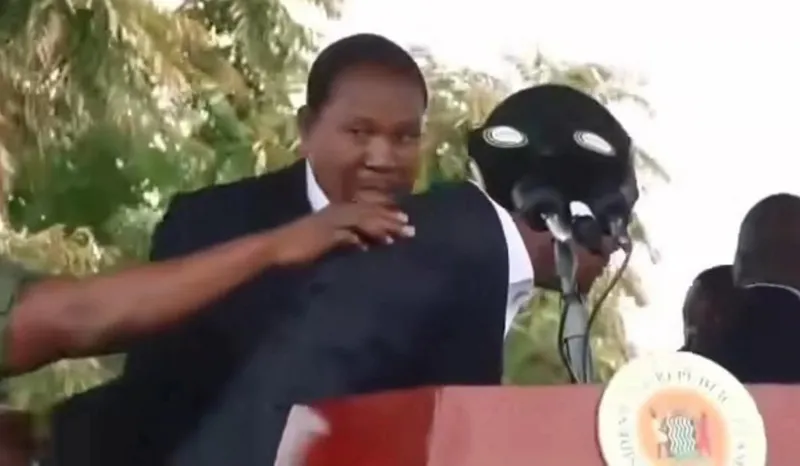
During a Copperbelt rally, a tense moment underscored the volatility of public mood. Video footage showed the president ducking from projectiles and quickly being escorted from the venue, a scene that drew condemnation across political divides and highlighted the challenges of maintaining crowd control in a heated political cycle.
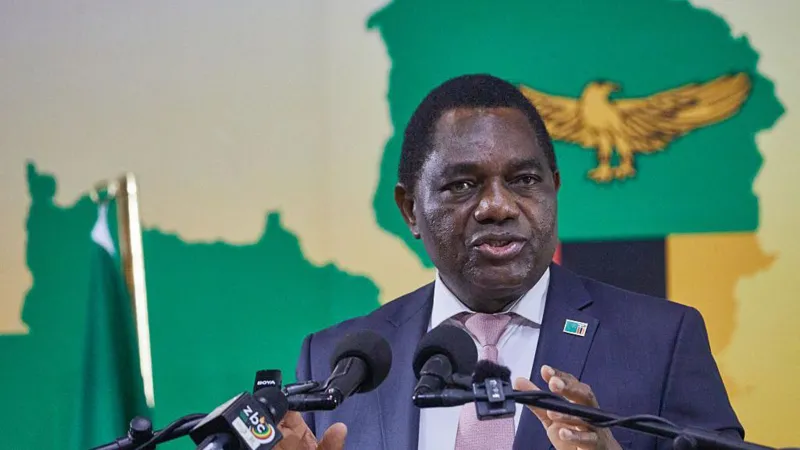
With about nine months until voting, Hichilema used a recent press conference to defend his government’s record on debt management and public finances, insisting that the worst of the debt crisis is behind Zambia and that the country is returning to the international markets with renewed credibility.
As the president pressed forward, he urged unity and cautioned against political venom, saying, “This level of hatred is shocking, you can feel the venom,” while appealing for national solidarity despite partisan differences.
Yet for many voters, the day-to-day burden remains the primary measure of success. Critics argue the administration has drifted from the reformist ethos that propelled him to power in 2021, and that a more tangible improvement in daily living remains elusive for households struggling with inflation and power outages.
Simon Mwila, a mayoral hopeful in Lusaka, suggested that many people respond to hardship with anger rather than appreciation, arguing that the public’s patience is wearing thin as the economic recovery unfolds unevenly across the country.
Historian and political analyst Dr. Sishuwa Sishuwa notes a shift from campaign promises to governance realities, saying the administration has, in his view, embraced policies that resemble those of its predecessors in some respects, despite campaigning against them in opposition. He argued that the administration must translate macro gains into tangible, everyday relief for citizens.
On the economics front, the government points to debt restructuring, improved fiscal discipline, and a more stable macro environment as proof of progress. They point to a rebound in mining investment and an improving credit outlook as signs of increased investor confidence.
In Chingola, a town the president visited with funds to support market reconstruction after a fire, supporters waited for a welcome that did not come as hoped. The crowd dispersed after safety concerns and growing tensions, underscoring the delicate balance between development initiatives and public reception.
At the press conference, Hichilema emphasized that illegal artisanal mining has contributed to social unrest as authorities pursue measures to regulate unregistered activity. He pledged that the government would not tolerate violence and would continue to pursue lawful and orderly progress.
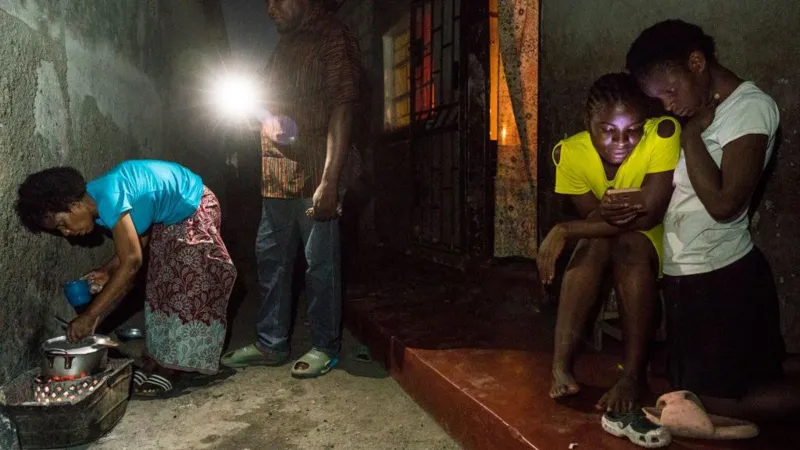
Looking back at 2021, when Hichilema rode a wave of discontent over a debt-laden economy and erratic power supplies to a landslide victory, the new administration inherited a difficult financial landscape. While debt relief and inflation control have improved the macro picture, many households still feel the pinch of the cost of living and frequent blackouts.
Officials say inflation has eased, the currency has strengthened, and public investment has increased in infrastructure, education, healthcare, and public service recruitment. Still, the energy squeeze remains a dominant concern, keeping households and small businesses under pressure as hydropower risks persist during drought seasons.
In September, the government acknowledged the electricity crunch and its impact on citizens, and this week the president described the generation shortfall as a wake-up call that spurred a push toward more solar and thermal energy projects to diversify the grid.
Beyond economics, questions about governance and the rule of law continue to surface. Critics point to the Cybersecurity Law as an example of legislation that could be used to curb dissent, despite the president’s assurances that opponents are not targeted. Supporters argue the law is necessary to combat online crime and protect public safety.
Analysts also highlight a push for a constitutional review that would expand the number of constituencies in parliament. While opponents warned this could be a strategic move to extend incumbency, the government argues that a broader representation is needed to allocate resources more evenly, in line with the constitution’s requirements for regular delimitation.
As the election approaches, public sentiment remains mixed. While some applaud the stability and reform, others are wary of unfulfilled promises and lingering energy shortages that keep daily costs high and dampen optimism for rapid improvement.

For more regional updates, visit INLIBERAfrica.com and follow us on social media for the latest developments from the African continent.
Follow INLIBER Africa on Twitter @INLIBERAfrica, on Facebook at INLIBER Africa or on Instagram at INLIBERafrica
Key Takeaways
- Macro economic gains continue, but everyday costs and energy reliability shape public perception.
- Security and governance laws are a flashpoint in the political debate surrounding the regime.
- Constitutional delimitation proposals aim to improve representation; critics fear political motives.
- Public protests and incidents at rallies underscore a fragile political climate ahead of elections.
Expert Comment
Dr. Grace Nkomo, political analyst at Lusaka University, notes that while macro indicators show progress, the key test is translating reforms into lower prices and stable energy for households. She adds that public trust will hinge on visible, tangible relief in the near term.
Summary
President Hichilema enters the electoral phase with a mixed record: notable debt and inflation improvements mirror a stronger macro outlook, yet persistent power outages, cost-of-living pressures, and concerns over legal measures loom large. Supporters credit him with stabilizing the economy and attracting investment, while critics say more must be done to ease daily hardships in the near term. The coming months will reveal whether the government can convert macro gains into broad-based relief that energizes voter support ahead of the 2026 polls.
Key insight: The administration’s challenge is to convert macro-level progress into concrete, everyday relief for Zambians, while navigating governance concerns and public dissent. Source: BBC