


Honduras Election: US Pressure Adds to a Tight Presidential Race
US aid and influence loom over Honduras' general election as five candidates vie for the presidency in a closely watched, high-stakes vote.
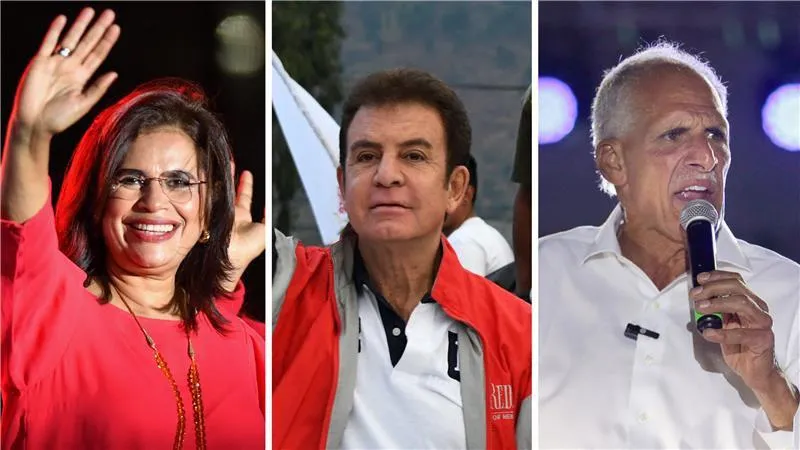
Honduras heads to the polls in a high-stakes general election shaped by international influence and domestic questions about governance. While five candidates are on the ballot, the race is widely seen as a three‑way contest among a left‑leaning former minister, a popular television host, and a veteran mayor seeking the presidency.
What’s at stake in Honduras’ vote
Presidents in Honduras serve a single four‑year term, so the current leader, Xiomara Castro, is not on the ballot. Castro backs Rixi Moncada of the Libre party, a 60‑year‑old lawyer who promises to defend the country’s natural resources and fight corruption “in all its forms.”
Key candidates and their platforms
Rixi Moncada (Libre) pledges to protect natural wealth from privatization and to tackle corruption across all levels of government. Salvador Nasralla (Liberal Party), a longtime TV host, promotes an open economy, job creation, and investment, and hints at recalibrating Honduras’ international ties. Nasry “Tito” Asfura (National Party), former mayor of Tegucigalpa, pledges development, investment, and broad opportunities while seeking to distance himself from past controversies.
Hernández’s legacy remains a flashpoint. His former party leader and founder was jailed in the United States on drug‑smuggling and weapons charges, a case that continues to haunt the party. Asfura has sought to present himself as distinct from Hernández, telling AFP that he has no ties to the ex‑president and that the party should not be held responsible for his actions.
The campaign also features a debate over international alignments. Nasralla has suggested he would sever ties with China and Venezuela if elected, arguing that his government would pursue policy changes to stimulate growth and employment.
U.S. influence and aid in focus
U.S. involvement looms large. Washington has provided substantial aid to Honduras in recent years, even as the administration signals conditional support. Officials report that in the most recent fiscal year, the United States sent well over USD 193 million to Honduras, with more than USD 100 million disbursed this year, while a prior package of about USD 167 million earmarked for 2024–2025 has been reportedly redirected or withheld in some lines of aid.
Former President Donald Trump publicly backed Asfura, warning that aid could be curtailed if his preferred candidate does not win. He also framed a coalition with Asfura as a way to confront regional challenges such as drug trafficking, while stating that U.S. assistance should not go to a leader who does not win fair and square.
Election logistics and public mood
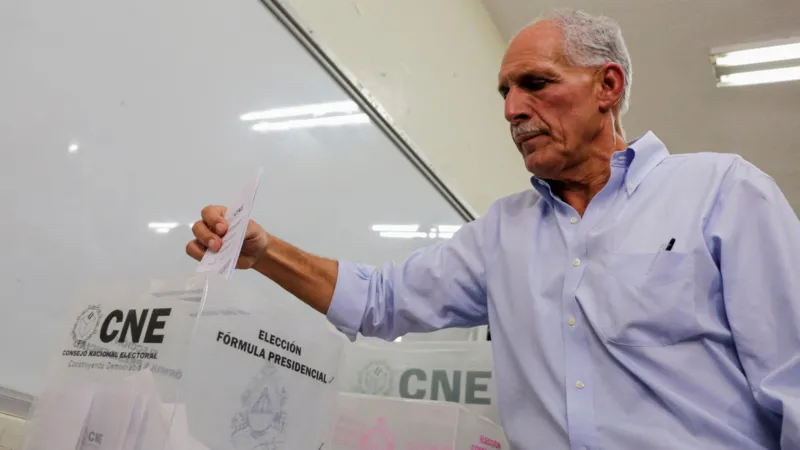
Polls opened at 07:00 Central Standard Time and remained open for ten hours. Pre‑emptive accusations of fraud by both the ruling party and the opposition have stirred mistrust and worries about post‑election unrest. The head of the National Electoral Council urged all sides to avoid provocations and uphold a peaceful vote.
Public debates around the election have touched on questions of military independence, the integrity of the process, and whether the army will remain neutral or tilt toward any candidate. Such concerns have heightened calls for careful oversight and transparent results delivery.
In the campaign’s closing days, observers emphasized that the outcome will depend on turnout, undecided voters, and the ability of candidates to mobilize broad support across urban and rural areas.
Expert commentary
Expert analysis: Regional political analysts say outside influence complicates the election and can shape public confidence in the process. They also warn that eroded trust could lead to protests or instability if results are questioned.
Summary
The Honduran vote pits three leading figures against a backdrop of international pressure and domestic concerns about corruption and governance. While Nasralla leads in some polls, a substantial share of voters remains undecided, keeping the race unpredictable. U.S. aid, foreign policy shifts, and the legacy of past administrations all play into how people cast their ballots and how post‑election governance might unfold.
Final thought: As Honduras chooses a new president, the weight of external influence and the campaign's integrity will shape not only who wins, but how confidently citizens accept the outcome. Source
Key insight: External pressure, especially from the United States, significantly shapes the Honduran election and public trust in the vote.
BBC reporting