

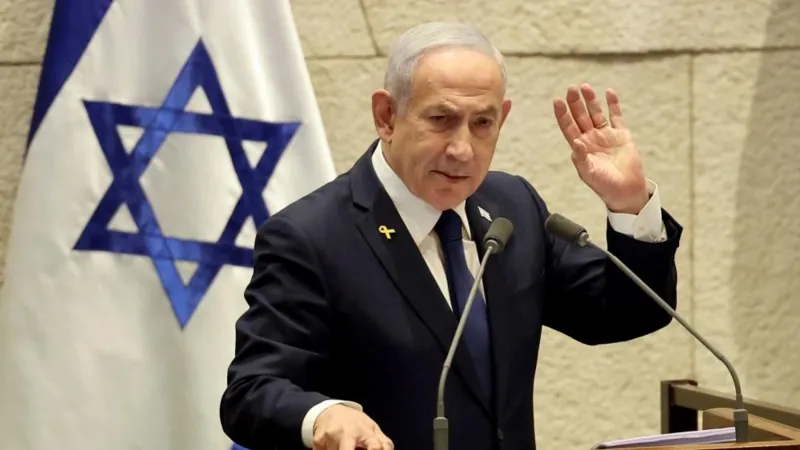

Netanyahu Seeks Pardon From Israel's President: Key Facts
Prime Minister Benjamin Netanyahu asks President Isaac Herzog for a pardon amid bribery, fraud, and breach-of-trust trials, sparking debate on justice and national unity.
Israel's Prime Minister Benjamin Netanyahu has formally asked President Isaac Herzog for a presidential pardon as corruption trials continue. The presidential office said Herzog will consult senior justice officials before deciding, describing the move as highly significant for the nation.
Netanyahu faces charges in three separate cases and has repeatedly denied any wrongdoing. In a public message, he said ending the legal process now would help heal the country and foster national unity during a period of security risks and political divisions.
What the cases involve
- Case 1: allegations that he received expensive gifts from powerful businessmen in exchange for favors.
- Case 2: accused of offering help to improve a newspaper's circulation in return for favorable coverage.
- Case 3: charged with promoting regulatory decisions to benefit a telecom's controlling shareholder in exchange for positive online reporting.
Netanyahu has pleaded not guilty, describing the investigations as a political witch hunt. He argued that the resolution of the cases would reduce tensions and promote national unity, while also claiming the court schedule requires him to testify three times a week—an arrangement he calls unmanageable.
Opposition leaders insist that a pardon cannot come without an admission of guilt or a commitment to retire from politics.
Legal framework and public debate
Under Israel's Basic Law, the president has the authority to pardon criminals or reduce sentences. The High Court has previously ruled the president can grant clemency before a conviction in exceptional cases if it serves the public interest or involves unusual personal circumstances.
Support for a pardon comes mainly from Netanyahu's allies, while many in the political left worry it could undermine trust in the judicial system and the country’s democratic norms. The issue sits against a backdrop of protests over proposed judicial reforms and the broader security situation following recent clashes in Gaza.
Separately, the International Criminal Court issued an arrest warrant last year for Netanyahu and former defense minister Yoav Gallant over alleged war crimes during the Gaza war. Netanyahu has rejected the move as antisemitic.
Expert view
Expert comment: Constitutional scholars say the move tests the balance between accountability and leadership in a democracy. Some analysts caution that granting a pardon to a sitting prime minister could set a dangerous precedent.
Conclusion
The pardon request highlights a clash between long-running legal processes and political leadership in Israel. Whatever the decision, it will shape how the country views accountability, unity, and the rule of law in a tense regional environment.
Summary
The prime minister seeks a presidential pardon as he faces three graft cases. The move prompts strong reactions from opponents and supporters alike, underscoring debates about justice, democracy, and national unity. Any outcome will influence Israeli politics for months to come.
Key insight: Netanyahu's appeal for clemency tests how democracies balance legal proceedings with political leadership. BBC News