


Drones Detect Deadly Whale Virus in Arctic Breaths, Study Finds
Scientists use drones to collect whale breath and skin samples, revealing cetacean morbillivirus is circulating above the Arctic Circle and poses a growing threat to whales, dolphins, and porpoises worldwide.
Introduction
A new study shows drones can help monitor the health of wild whales by collecting their exhaled breath, known as their 'blow'. The method provides a noninvasive way to track diseases without stressing the animals.
How the study was conducted
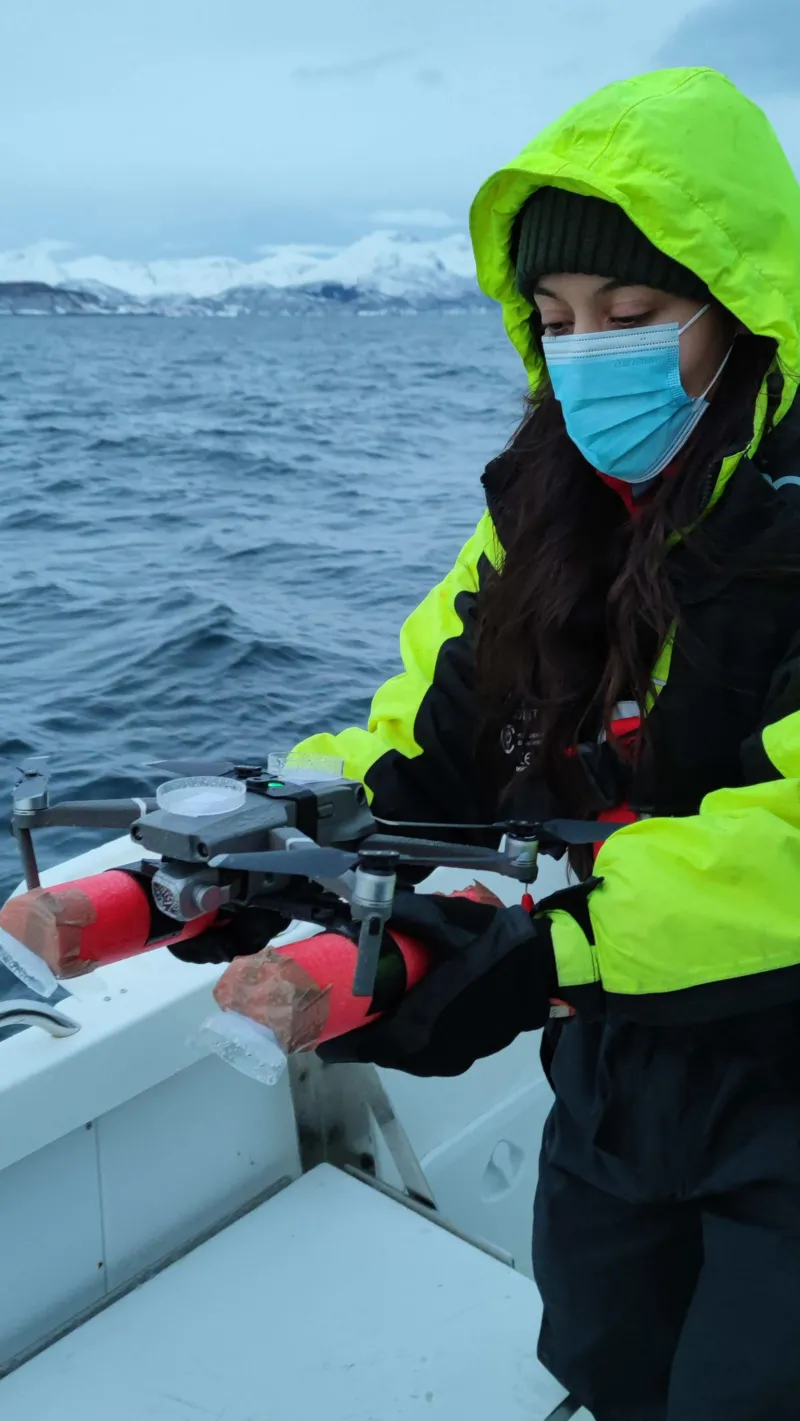
Researchers flew drones equipped with sterile collection kits over the waters to capture droplets from the whales' exhalations. They studied humpback, fin, and sperm whales and also collected small skin samples on boats for comparison.

The team confirmed for the first time that a dangerous virus, known as cetacean morbillivirus, is circulating above the Arctic Circle. This virus spreads rapidly among whales, dolphins, and porpoises and can cause severe illness and mass die-offs. It can also jump between species and travel across oceans, posing a broad threat to marine mammals.
Why this matters
Using drones to sample exhaled breath is described as a game-changer for whale health monitoring. It allows scientists to detect threats in living animals without causing stress, enabling earlier interventions in rapidly warming Arctic ecosystems.
Experts emphasize that long-term surveillance is essential to understand how multiple stressors will affect whale health in coming years, especially in the changing Arctic environment.
Collaborations and publication
The work was conducted by researchers from King’s College London and the Royal (Dick) School of Veterinary Studies in the United Kingdom, together with Nord University in Norway, and it appears in BMC Veterinary Research.
Expert comment: Prof. Terry Dawson from King’s College London calls drone sampling a transformative tool for noninvasive health checks in wild whales.
Norwegian researcher Helena Costa of Nord University notes that sustained, real-world monitoring is key to understanding how environmental changes will shape whale health in the future.
Short summary
The study demonstrates that drones can collect whale breath samples and skin tissue to detect a deadly virus in Arctic waters. The approach minimizes disturbance to animals while providing vital early warning about emerging diseases. Ongoing, long-term surveillance is essential to protect whales as Arctic conditions continue to change.
Key insight: Noninvasive drone sampling enables early detection of deadly viral threats to Arctic marine mammals, supporting proactive conservation efforts. BBC News
Discover the latest news and current events in World News as of 19-12-2025. The article titled " Drones Detect Deadly Whale Virus in Arctic Breaths, Study Finds " provides you with the most relevant and reliable information in the World News field. Each news piece is thoroughly analyzed to deliver valuable insights to our readers.
The information in " Drones Detect Deadly Whale Virus in Arctic Breaths, Study Finds " helps you make better-informed decisions within the World News category. Our news articles are continuously updated and adhere to journalistic standards.