


Arctic Drones Detect Deadly Whale Virus in Breath
Drones sample whale breath and skin to detect cetacean morbillivirus, a contagious threat to Arctic whales, enabling early warning and safer monitoring.
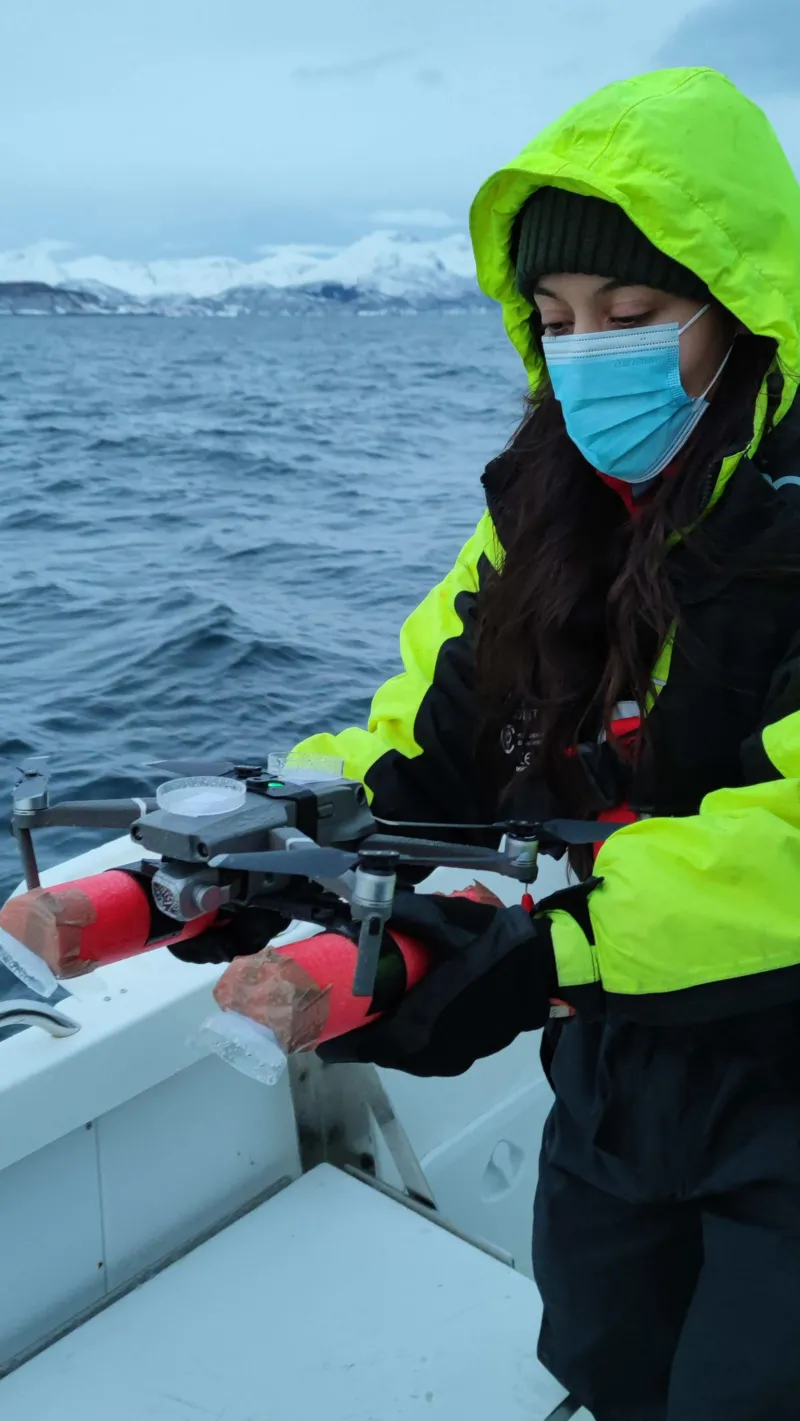
New drone-based methods are helping scientists assess whale health in the Arctic. By collecting samples from the exhaled breath of large whales, researchers can detect dangerous pathogens without disturbing the animals.
In the latest study, drones carrying sterile Petri dishes captured droplets from the whales' blows as they surfaced to breathe. The team also collected skin biopsy samples from boats to strengthen the findings.
The research confirms the presence of cetacean morbillivirus, a highly contagious virus, in Arctic waters. This disease can cause severe illness and mass die-offs among dolphins, whales, and porpoises and can spread across oceans.
Experts describe this approach as a game-changer for whale health monitoring because it offers non-invasive surveillance and rapid detection of emerging threats in rapidly changing Arctic ecosystems.
What they did
Researchers used drones to gather exhaled droplets—often called a blow—from humpback, fin, and sperm whales, and combined these with skin biopsy samples to verify the virus's presence.
Key findings and implications
The study confirmed that cetacean morbillivirus is circulating above the Arctic Circle, underscoring a risk that can cross species and ocean boundaries among marine mammals.
This work highlights the potential to spot deadly threats early, helping conservationists and authorities respond before disease spreads widely.
The project is led by teams from King’s College London in the United Kingdom, the Royal (Dick) School of Veterinary Studies, and Nord University in Norway, and it appears in BMC Veterinary Research.
Helena Costa of Nord University says ongoing, long-term surveillance using non-invasive methods will help scientists understand how multiple stressors will shape whale health in the years ahead.

The study, a collaboration between King’s College London, the Royal (Dick) School of Veterinary Studies, and Nord University, is published in BMC Veterinary Research.
Expert comment: This non-invasive method allows scientists to monitor pathogens in live whales without stressing them, providing crucial data for Arctic health in a changing climate. It also enables long-term surveillance to anticipate emerging threats to whale health.
Short summary
Drone-based sampling of whale breath offers a safe, non-invasive way to detect cetacean morbillivirus in Arctic waters. This approach enables early warning and better understanding of how changing Arctic conditions affect whale health. The research underscores the importance of ongoing surveillance using modern technologies to protect marine ecosystems.
Key insight: Drone-enabled, non-invasive sampling of whale breath can reveal dangerous viruses early, helping protect Arctic marine life. BBC News
Discover the latest news and current events in World News as of 19-12-2025. The article titled " Arctic Drones Detect Deadly Whale Virus in Breath " provides you with the most relevant and reliable information in the World News field. Each news piece is thoroughly analyzed to deliver valuable insights to our readers.
The information in " Arctic Drones Detect Deadly Whale Virus in Breath " helps you make better-informed decisions within the World News category. Our news articles are continuously updated and adhere to journalistic standards.