


Creatives on AI: Artists, Musicians, and Writers React to Generative Tech
From furry artists to copywriters, explore UK creators' views on generative AI, its impact on work and income, and how they adapt.
Generative artificial intelligence can craft convincing visuals, music, and text from simple prompts, reshaping how people work in the creative sector. Across the United Kingdom, many creators say AI is changing demand and income, bringing both opportunities and worries.
What creators say about AI now
Experts note a rapid shift: AI tools can speed up production while sometimes blurring the line between human and machine work.
Norwich artist: Aisha Belarbi
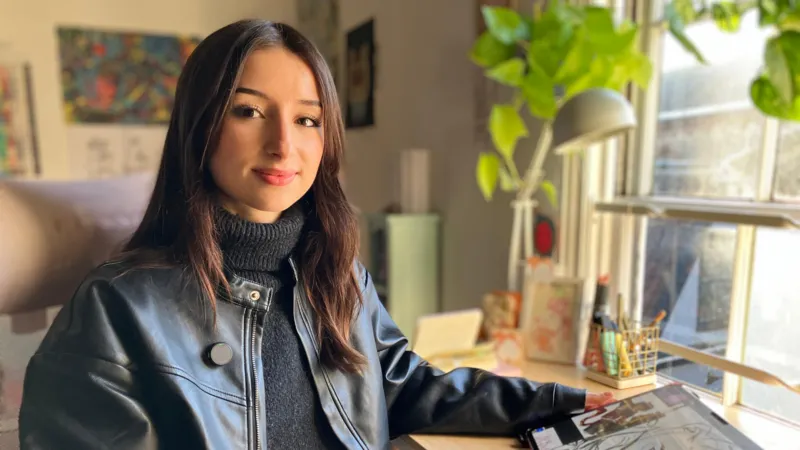
In Norwich, 22-year-old Aisha creates furry art—creatures with human traits—using a mix of traditional drawing and a tablet. AI progress used to feel distant, but as its outputs improve, the distinction between human-made and AI art grows fuzzier. She worries that commissions may fall as people generate what they want, and she has started writing drawing guides to diversify her income.
Milton Keynes videography pioneer: JP Allard
In Milton Keynes, veteran filmmaker JP Allard steered his small agency toward AI-powered video after a period of ill health. After researching the technology, he embraced it and launched services that produce digital twins—video versions of clients in many languages—and adverts fully generated by AI. He notes some staff resisted the changes and warns that change now arrives much faster than in the past, making retraining essential. MirrorMe’s offerings can cut production costs dramatically while maintaining emotion when used thoughtfully.
Norwich musician: Ross Stewart
Ross Stewart, 21, fears AI’s rapid spread in music after discovering an AI-produced blues album. He worries about the speed of AI song creation undermining opportunities for songwriters and producers. He opposes AI writing lyrics and believes licensing AI music could reduce exposure and earnings for independent artists. He also notes that audiences still crave authentic live performances featuring real musicians.
Milton Keynes copywriter: Niki Tibble
Milton Keynes-based copywriter Niki Tibble, 38, returned from maternity leave to find AI had taken over many routine writing tasks such as blog posts and social updates. While some clients still value the human touch for strategy and brand voice, much of the standard writing work has shifted to AI. Tibble now acts as a final checker of AI copy, verifying facts, sources, tone, and adding value that AI cannot provide. She worries about long-term job security but sees potential in new roles that blend human judgment with AI tools.
Expert perspective: Industry observers say AI should augment human creativity, not replace it. Ongoing retraining and clear guidelines will help workers adapt and thrive.
Short summary: AI offers speed and reach for creative work but raises concerns about authenticity and income for artists, writers, musicians, and videographers. Some professionals pivot by offering new services or using AI with careful oversight, while others worry about long-term job security. The best path blends craftsmanship, storytelling, and thoughtful use of technology to protect livelihoods as AI evolves.
Key insight: Generative AI accelerates production and expands reach, yet it poses risks to livelihoods if used without safeguards. BBC News