


What Is the 'Triangle of Death' and Does It Really Exist?
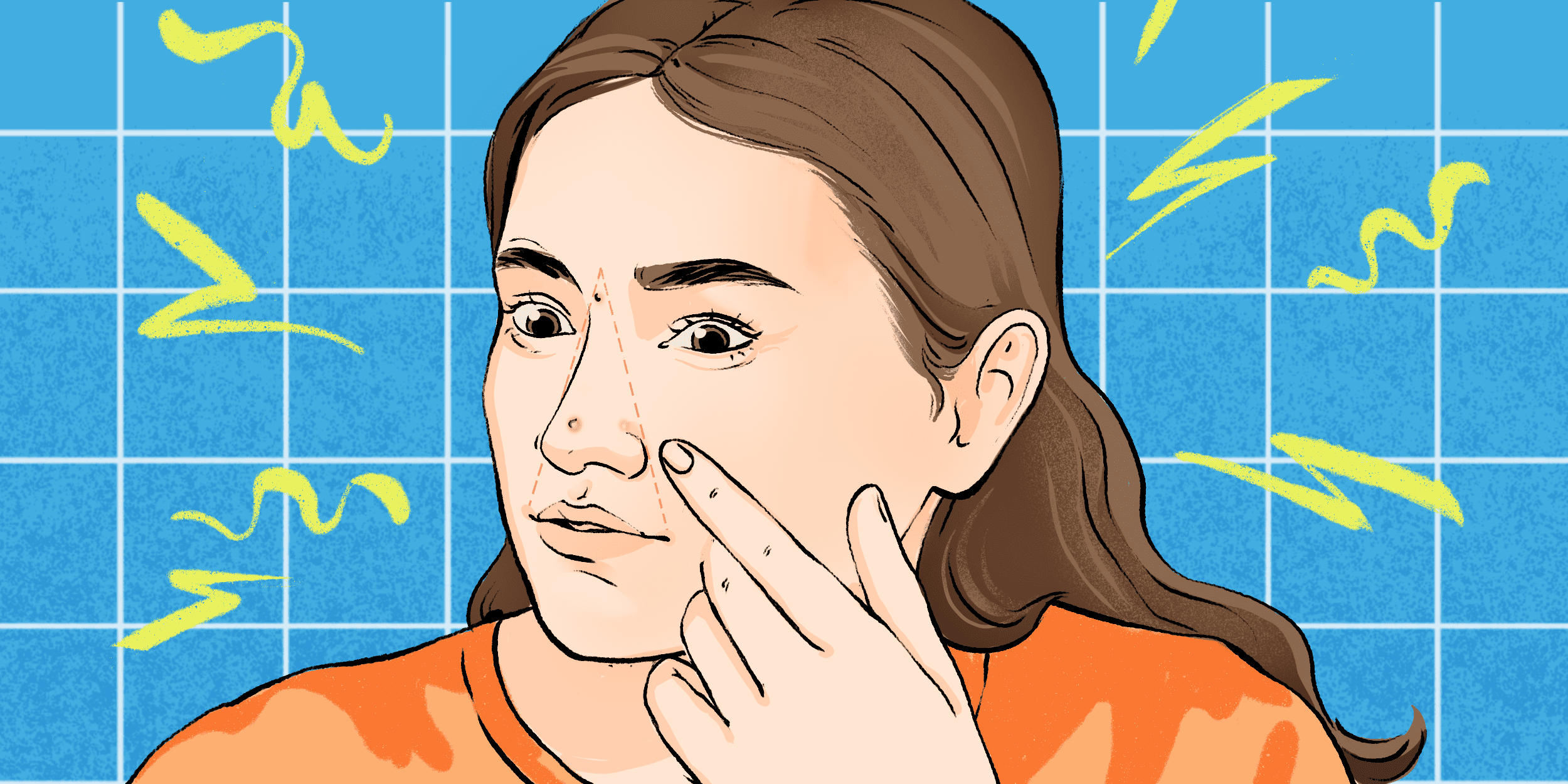
The 'Triangle of Death' is a popular term for the nasolabial triangle—a facial area extending from the corners of the mouth to the point between the eyebrows.
Most likely, there’s no need to fear it.
Table of Contents- Understanding the 'Triangle of Death'
- Risks Associated with the 'Triangle of Death'
- Should You Really Be Afraid of the 'Triangle of Death'?
- How to Protect the 'Triangle of Death' Area from Infections
- When to Seek Medical Attention
Understanding the 'Triangle of Death'
The 'Triangle of Death' is a colloquial name for the nasolabial triangle—a facial region that spans from the corners of the mouth up to the area between the eyebrows. This includes the upper jaw and nose. Sometimes, this area is also referred to as the 'danger triangle.'

Risks Associated with the 'Triangle of Death'
The blood vessels within this so-called 'Triangle of Death' are connected to the cavernous sinuses—hollow spaces located beneath the brain behind each eye socket. The jugular vein, which carries blood from the brain, passes through these sinuses.
If a wound appears in the 'Triangle of Death,' pathogens could theoretically enter the bloodstream and potentially reach the brain. Infections in this area are most commonly caused by two types of bacteria: streptococci and staphylococci. These bacteria can be introduced through unclean hands or improperly sterilized tools used during activities like piercing or squeezing pimples.
If complications arise, they can lead to serious conditions:
- Cavernous Sinus Thrombosis — a condition where blood clots form in the sinuses, potentially causing headaches, vision problems, and seizures. This condition has a high mortality rate, with about 1 in 3 cases resulting in death.
- Brain Abscess — an accumulation of pus within the brain tissue, occurring when microbes breach the brain’s protective barriers.
- Meningitis — inflammation of the membranes surrounding the brain.
These are rare occurrences. Normally, the immune system effectively combats infections to prevent them from reaching vital organs. However, individuals with HIV, diabetes, those who use drugs, or patients undergoing dialysis for kidney problems face significantly higher risks of complications.
Should You Really Be Afraid of the 'Triangle of Death'?
No, there’s generally no need for alarm. Even if bacteria enter a wound in the 'Triangle of Death' from dirty hands after squeezing a pimple, modern antibiotics can effectively treat the infection.
For example, during the 2022 COVID-19 pandemic, doctors treated a 21-year-old man who developed facial swelling, painful rash, headaches, and eye movement pain after squeezing pimples on his nose. He had been wearing the same face mask at work for over a month without washing it. While it’s unclear if the bacteria came from the mask, an MRI revealed signs of cavernous sinus thrombosis. After six weeks of antibiotic and supportive treatment, his condition improved.
Such cases are exceptions rather than the rule. After contact with contaminated surfaces, people are far more likely to catch the flu or intestinal infections.
However, fatal cases related to cavernous sinus thrombosis have been documented. For instance, in 1966, a 31-year-old woman who repeatedly plucked hairs from her nostrils developed pain and swelling on the bridge of her nose. Despite treatment, she died on the ninth day. An autopsy revealed cavernous sinus thrombosis, purulent meningitis, and cerebellar damage.
How to Protect the 'Triangle of Death' Area from Infections
Again, the chances of dying from an improperly squeezed pimple in the 'Triangle of Death' are extremely low. However, this does not justify neglecting basic hygiene practices.
Avoid Squeezing Pimples
The American Academy of Dermatology advises against self-extraction of pimples anywhere on the face. This practice does not eliminate acne and increases the risk of infection. If pimples persist, consult a dermatologist.
Keep Your Hands Clean and Avoid Touching Your Face
Out of boredom, people often touch their nose, lips, or eyes. If there’s a wound in these areas, it can become infected. Avoid touching your face with unwashed hands.
When to Seek Medical Attention
If you experience any of the following symptoms potentially linked to infections in the 'Triangle of Death,' call emergency services immediately (dial 911 or your local emergency number):
- Persistent or worsening headache, especially localized to one area and unrelieved by painkillers.
- Nausea.
- Speech difficulties.
- Weakness or drowsiness.
- Seizures.
- Swelling or pain in the eyes.
- Double or blurred vision.
- Pale skin.
- Rash resembling small bruises or bleeding under the skin.
- Neck muscle stiffness.
- Shortness of breath, chest pain, leg swelling, or persistent abdominal pain.
- Confusion.
- High fever.
Discover engaging topics and analytical content in Lifestyle & Wellness as of 06-07-2024. The article titled " What Is the 'Triangle of Death' and Does It Really Exist? " provides new insights and practical guidance in the Lifestyle & Wellness field. Each topic is meticulously analyzed to deliver actionable information to readers.
The topic " What Is the 'Triangle of Death' and Does It Really Exist? " helps you make smarter decisions within the Lifestyle & Wellness category. All topics on our website are unique and offer valuable content for our audience.