


Unstoppable Spirit: The Inspiring Journey of Paralympic Handbike Champion Svetlana Moshkovich
Discover the remarkable story of Svetlana Moshkovich, a Paralympic bronze medalist whose resilience and passion for handbike racing transformed her life after a life-changing accident. An inspiring interview highlighting her journey, challenges, and dreams.
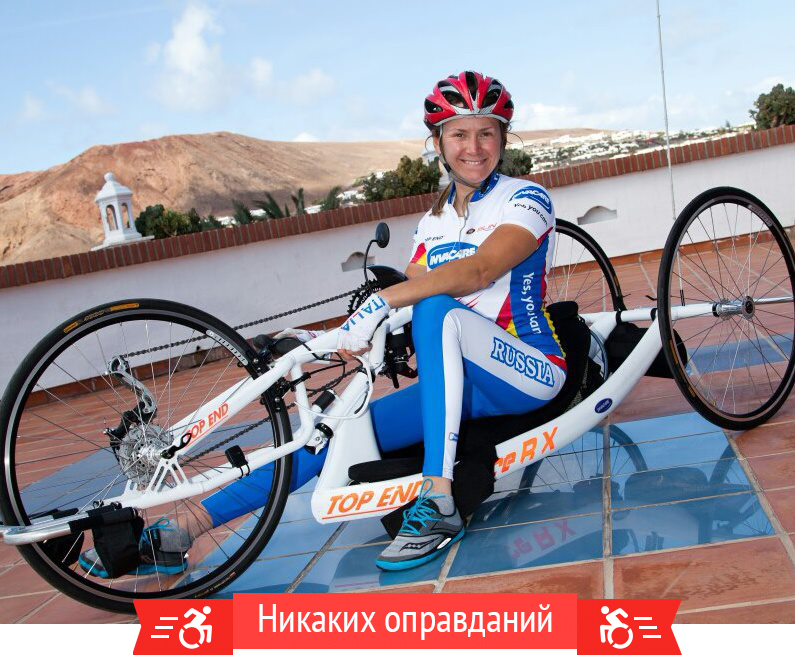
Introducing another inspiring story from our special series "No Excuses." Meet Svetlana Moshkovich, a bronze medalist at the London Paralympic Games. She never imagined a career in sports until a serious accident led her to handbiking, which became her destiny.
Svetlana Moshkovich was the breakthrough sensation of the 2012 London Summer Paralympics. Few expected a simple Siberian girl, who had taken up handbiking only three years prior to the Games, to claim a bronze medal. Even Svetlana herself was initially in disbelief.
Today, Svetlana stands as a leading figure in the Russian para-cycling team, proudly representing her country at prestigious international competitions. She dreams of wearing the champion's jersey and starting a family. Here’s an intimate interview with this strong-willed yet delicate woman.
Roots and Resilience
— Hello, Svetlana! Welcome to Lifehacker.
— Hello, Nastya! Thank you for inviting me.
— Tell us about your childhood. Where are you from?
— I’m from Siberia, born in Krasnoyarsk. I grew up in a loving family: my mother, father, and older sister. My mom worked as an engineer and later became an accountant; my dad was a civil aviation pilot all his life. My sister is seven years older and has two wonderful children. My whole family still lives in Krasnoyarsk.
— What does it mean to have a Siberian character?
— I believe that no matter where you live, you can be strong and cheerful. But Siberians tend to show this more vividly. They are open and unafraid of challenges. When I say I’m from Siberia, people automatically see me as someone with a tough spirit.
— Is that true? Do you have a strong character?
Before my accident, many called me a “daisy” — a diligent girl under the protective wings of my parents and later my older boyfriend. People worried I wouldn’t cope with the difficult situation I faced. But the experience only strengthened me. The fighting spirit I developed then has been invaluable in sports.
“I’ll Think About It Tomorrow”
— How did the car accident happen?
— Almost 10 years ago, I was in my fifth year at Krasnoyarsk Pedagogical University, studying foreign languages.
— Did you want to become a teacher?
— As a child, I had many dreams: lawyer, flight attendant… In fact, I worked as a flight attendant during summer breaks while studying. But I never thought I’d be an athlete. I was searching for myself but leaned more toward becoming a translator because I loved traveling.
— Even though one trip ended tragically?
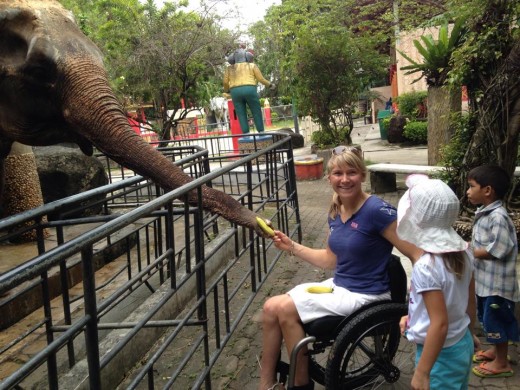
— Yes… In November 2004, my friends and I were returning from Khakassia to Krasnoyarsk. On icy roads, the car lost control and tumbled 60 meters down a slope. Two people died, including my friend. I sustained serious injuries, while others were less affected. The accident tested my character deeply. Many feared I wouldn’t recover. But I tackled challenges one by one, repeating to myself the phrase from “Gone with the Wind”: “I’ll think about it tomorrow.” I realized the main thing was to fight for life and recover. There was no time for mourning.
— What helped you stay strong?
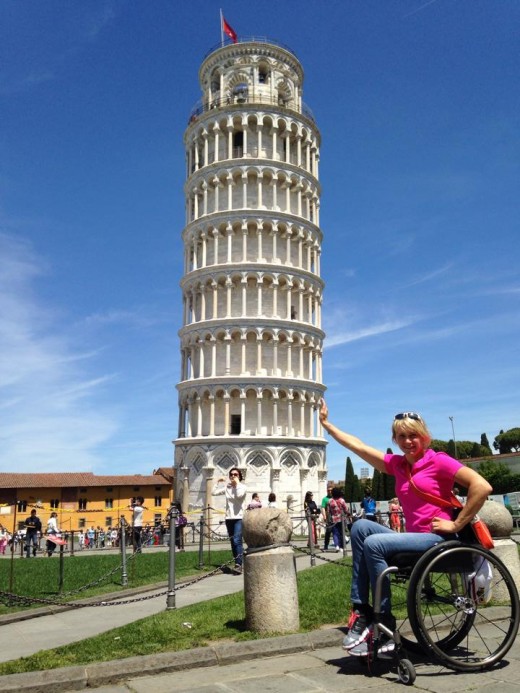
— People. My parents, especially my mother, were always by my side. Friends supported me as well. I never stayed alone; I kept moving. I had to finish my studies, defend my thesis, pass exams. The first four years after the injury were a period of intense rehabilitation.
— What did your rehabilitation involve?
— I was rarely at home. I went to a rehab center in Novokuznetsk, then to Krasnoyarsk, and later Samara. I underwent four surgeries during this time. The last one was in Germany, which changed my perspective profoundly.
— How so?
— After surgery, I realized how accessible Germany was for wheelchair users. For the first time in four years, I took a bus! This was in 2008, before low-floor buses became common in Moscow and other Russian cities. Riding through the city, I felt equal and free. I smiled nonstop. I wanted to stay in Germany, so a year later, I returned to study at Heinrich Heine University in Düsseldorf. Initially, I resumed linguistics but now aim to study sports theory as well as practice.
Freedom at Your Fingertips
— I heard you first tried handbiking during rehab in Germany?
— Yes. In 2008, during recovery, I met local wheelchair athletes who were into handbiking. They were strong, fit, and joyful—so different from others. Their eyes sparkled with life. They invited me to try it. I remember my first ride: about 20 kilometers. I was exhausted and needed help pushing back, but I was thrilled. I realized this sport could aid my rehabilitation, build endurance, and improve health. Plus, it offered freedom! Covering 20 kilometers in a wheelchair was unimaginable, but handbiking made it enjoyable amidst nature.
— When did you start training seriously?
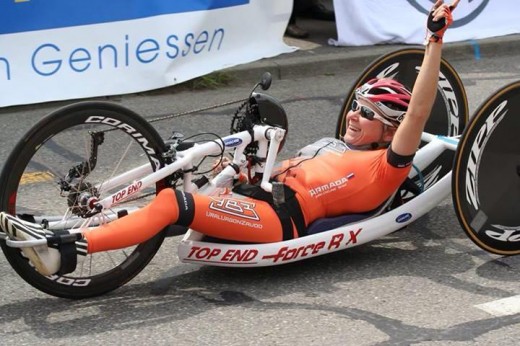
— A year later, when I returned to Germany for studies. Friends I met previously helped assemble my first handbike.
— They assembled it for you?
— Yes! :) They knew I couldn’t afford a new bike, which costs around $5,500, or a used one about $1,650, as handbikes are custom-made for each athlete. They gathered parts from old bikes to build mine, and I began training.
Two weeks later, I registered for the Heidelberg marathon, not aiming to win but to participate — riding my homemade handbike with a helmet borrowed from a friend's child.
The race required completing a half marathon (21 km) in under 1.5 hours. I finished it in 2 hours 20 minutes. Crossing the finish line was already a huge achievement and motivation. Two years later, I cut my time by nearly an hour at the same marathon.
Bronze with a Golden Glow
— And a year after that, you won bronze in London?
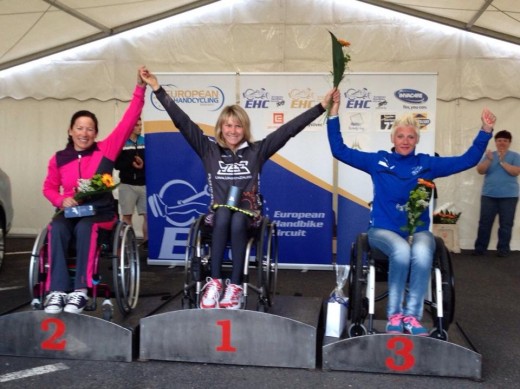
— Yes, but I never expected it. I started training just three years before the Paralympics, from scratch. If someone told me in 2011 I’d medal, I wouldn’t believe it. Although I trained hard, joined the Russian national team, attended training camps and international competitions, often finishing third or fourth, I still couldn’t imagine standing on the podium.
— How did it feel to receive your medal?
— It’s indescribable! Goosebumps, a smile, tears. You realize you gave your all and brought joy to yourself, coaches, loved ones, and your entire country.
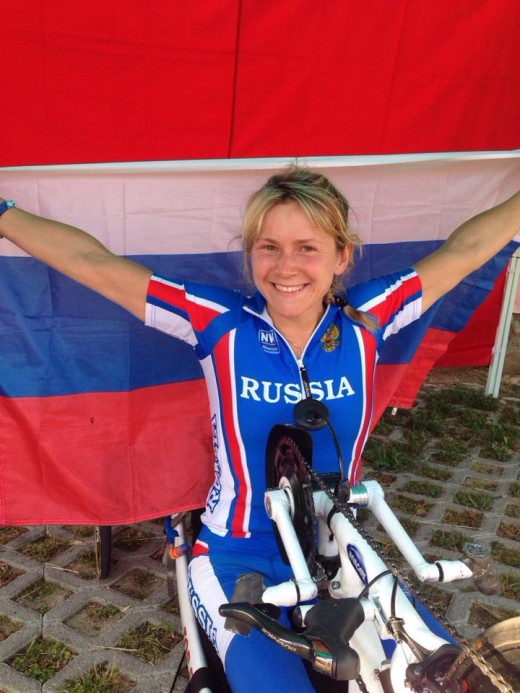
— Are you patriotic?
— I’m proud to be Russian and want to see my country’s flag at the top of the podium. It’s especially rewarding that our para-cycling team gained respect worldwide. Para-cycling in Moscow began from scratch at the "Youth of Moscow" sports society, supported by the Uralvagonzavod Corporation. Thanks to them, the "Armada" team was formed. Initially, we had little knowledge and subpar equipment. At competitions, we weren’t taken seriously.
After my victory and those of teammates like Alexey Obydennov, Russian para-cyclists earned recognition.
— Does the government support you?
— Yes, without sponsors and state support, our achievements wouldn’t be possible. Support helps us buy equipment, attend camps, and train.
— Then why is handbiking still unfamiliar to many in Russia?
— In Europe, handbiking is widespread with many races—up to 60 events per season. Some races attract over 200 participants, many riding for personal fulfillment rather than competition. There are accessible roads and affordable bikes. In Russia, disabled pensions rarely cover such expensive equipment. Our system requires athletes to show results first to gain state support, but you need a starting point.
— What advice would you give to those inspired to try handbiking?
— The key is desire. Reach out to public and private organizations for help acquiring a bike. Many creative people can build handbikes from parts, as I did. The "Youth of Moscow" sports society has a para-cycling section at the Krylatskoye velodrome, where my coach Alexey Chunosov works. There, you can try handbiking. The movement is just beginning in Russia, with gatherings in Gorky Park and even a bike rally this spring. You can find like-minded people to support your growth.
All for the Goal
— Svetlana, you’re always at training camps and competitions. Do you have time for personal life?
— Athletes live a nomadic life. Preparing for the London Paralympics, I spent only four weeks at home in six months. But I enjoy being constantly active. My days are packed with two to three training sessions and strict routines. So, personal life gets little time, though I occasionally go out with friends.
— All for Rio?
— Step by step: I’m preparing for the World Cup at the end of July, then the World Championship in August. Good results there and next year will help us secure a spot at the 2016 Rio Paralympics. I really want to wear the champion’s jersey!
— The champion’s jersey?
— It’s a prestigious award given to world champions by the International Cycling Union. It features five colored stripes representing continents, like the Olympic rings. Every cyclist dreams of it.
— I thought the ultimate dream was Paralympic gold…
— You’re right. The jersey is desirable, but my main motivation is becoming a Paralympic champion. That’s why I get up every morning, train hard, and endure fatigue.
— What about family?
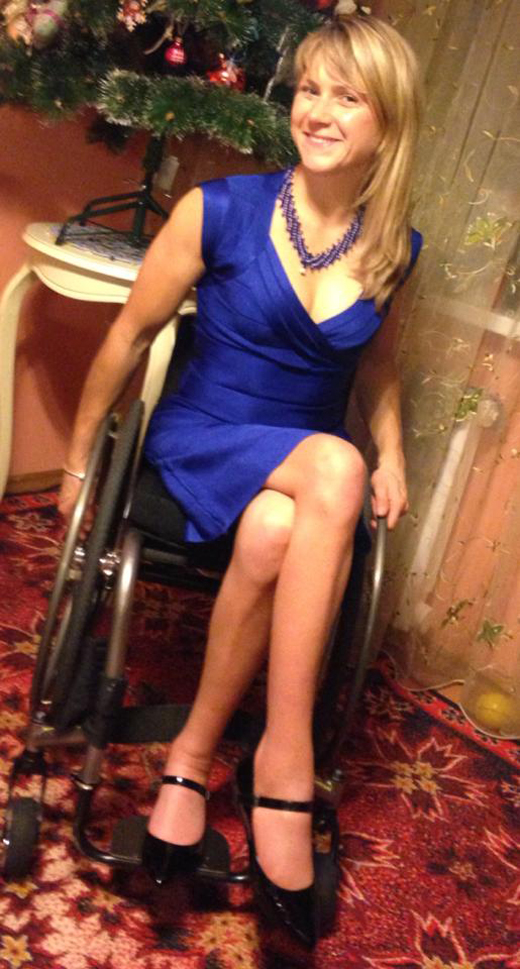
— I dream of a family and children. But I believe a woman should be the hearth keeper. With my constant travels, creating a cozy home would be difficult now. So, for now, sport is my priority. I want to give my future children everything and make them proud of their mom.
— Our project is called "No Excuses." What does that mean to you?
— Complaining and seeking leniency isn’t constructive. It’s better to spend time finding your path. If an opportunity arises, you must seize it fully within your means.
— Any final words for Lifehacker readers?
Enjoy each day. Set goals to understand your purpose. Everyone has gloomy days, but knowing your goal helps overcome hardships. Keep taking small steps daily toward your dreams.
— Wonderful words! Thank you for the interview, Svetlana!
— Thank you, Nastya!
Discover the latest news and current events in Life Transformation as of 29-05-2021. The article titled " Unstoppable Spirit: The Inspiring Journey of Paralympic Handbike Champion Svetlana Moshkovich " provides you with the most relevant and reliable information in the Life Transformation field. Each news piece is thoroughly analyzed to deliver valuable insights to our readers.
The information in " Unstoppable Spirit: The Inspiring Journey of Paralympic Handbike Champion Svetlana Moshkovich " helps you make better-informed decisions within the Life Transformation category. Our news articles are continuously updated and adhere to journalistic standards.