


Unlocking the Secrets of Plastic Numbers: What You Need to Know for Safer Food Storage
Discover the meaning behind the numbers on plastic containers, their safety for food use, and how to make healthier choices in your kitchen to reduce exposure to harmful chemicals.
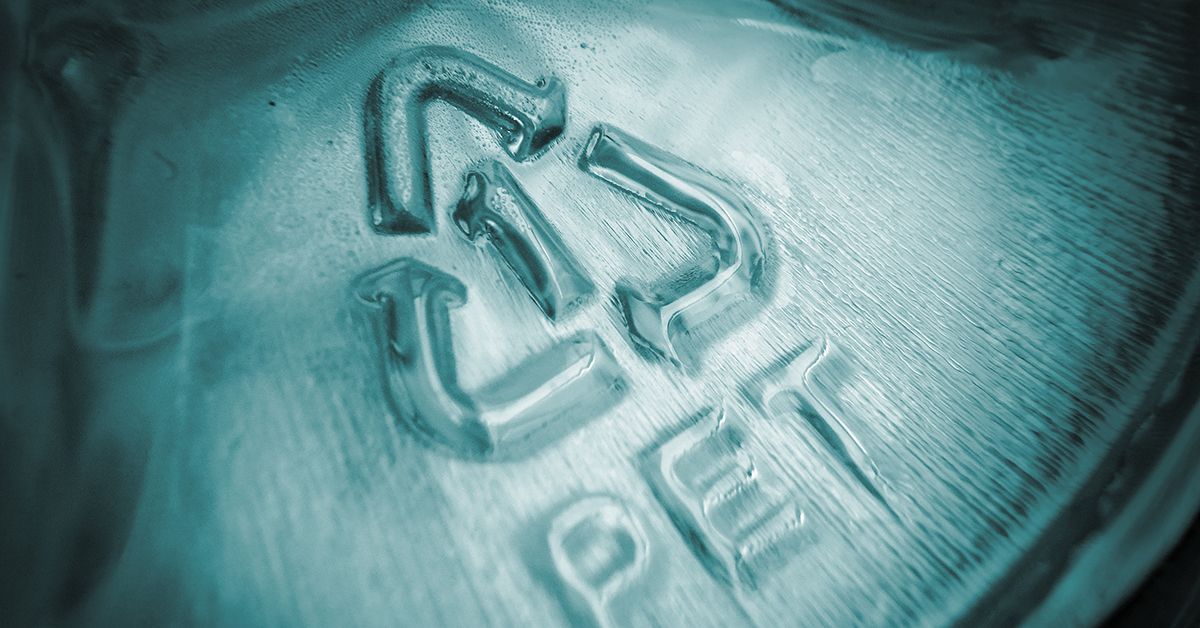
Plastic containers often carry a small triangle with a number from 1 to 7, but these digits are far from arbitrary. They indicate the type of plastic used and its recyclability, as well as potential health concerns associated with each type.

Understanding these numbers can help you make safer choices when storing or reheating food.
Everyday Plastics and Their Uses
Here’s a quick overview of the seven most common types of plastics you encounter at home, their typical uses, and recyclability status:
| Number | Plastic Type | Common Household Uses | Recyclable? |
|---|---|---|---|
| 1 | Polyethylene Terephthalate (PET) | Water and beverage bottles, some food containers | Generally recyclable |
| 2 | High-Density Polyethylene (HDPE) | Milk jugs, juice containers, shampoo bottles, detergent containers, some plastic bags | Generally recyclable |
| 3 | Polyvinyl Chloride (PVC) | Cling wrap, some food containers, vinyl flooring, pipes, shower curtains | Check local guidelines |
| 4 | Low-Density Polyethylene (LDPE) | Shopping bags, bread bags, food wrapping | Often not recyclable |
| 5 | Polypropylene (PP) | Dairy containers, medicine bottles, food containers, bottle caps | Recyclability varies locally |
| 6 | Polystyrene (PS) | Disposable cutlery, styrofoam, takeout containers, egg cartons, insulation | Generally not recyclable |
| 7 | Other/Mixed Plastics | Lids, electronics, some baby bottles, water bottles | Generally not recyclable |
Choosing Safe Plastics for Food
While plastics labeled 1, 2, 4, and 5 are commonly used for food storage, it’s best to limit heating or reheating in plastic containers. Even if labeled microwave-safe, plastic can release harmful chemicals when heated.
For safer food preparation and storage, glass containers are highly recommended. For cooking, materials like cast iron, stainless steel, and ceramic offer safer alternatives.
Here’s a guide to plastic safety around food:
| Plastic Number | Safe for Food Storage? |
|---|---|
| 1 | Yes, but avoid reuse |
| 2 | Yes |
| 3 | Use minimally with food |
| 4 | Yes |
| 5 | Yes |
| 6 | Minimize use and reuse around food |
| 7 | Avoid unless made from polylactic acid (PLA) |
Health Risks Linked to Certain Plastics
Plastics numbered 1, 2, 4, and 5 are generally considered safe for food use, but reducing plastic contact with food is still a wise choice.
Risks of PVC (No. 3)
Production and disposal of PVC release hazardous chemicals such as lead, dioxins, and vinyl chloride, which can lead to serious health issues including hormonal disruption, immune system suppression, developmental problems in children, cancer, and genetic defects.
Concerns About Polystyrene (No. 6)
Styrene, a chemical that can leach from polystyrene products, has been linked to respiratory and nervous system problems, hearing issues, kidney damage, and cancer with prolonged exposure.
Mixed Plastics (No. 7) and BPA
This category includes a variety of plastics, some containing Bisphenol A (BPA), a known endocrine disruptor. Recent studies highlight BPA’s potential negative effects on immunity, gut health, and neurological function.
Final Thoughts
When storing or preparing food, opt for plastics labeled 1, 2, 4, or 5 and avoid those marked 3, 6, or 7 whenever possible. Prioritize reducing plastic use around food to minimize exposure to harmful substances.
Remember, heating food in plastic containers is best avoided. Switching to glass or other non-plastic alternatives in your kitchen can promote better health and a safer environment.
Discover the latest news and current events in Health as of 27-12-2024. The article titled " Unlocking the Secrets of Plastic Numbers: What You Need to Know for Safer Food Storage " provides you with the most relevant and reliable information in the Health field. Each news piece is thoroughly analyzed to deliver valuable insights to our readers.
The information in " Unlocking the Secrets of Plastic Numbers: What You Need to Know for Safer Food Storage " helps you make better-informed decisions within the Health category. Our news articles are continuously updated and adhere to journalistic standards.