

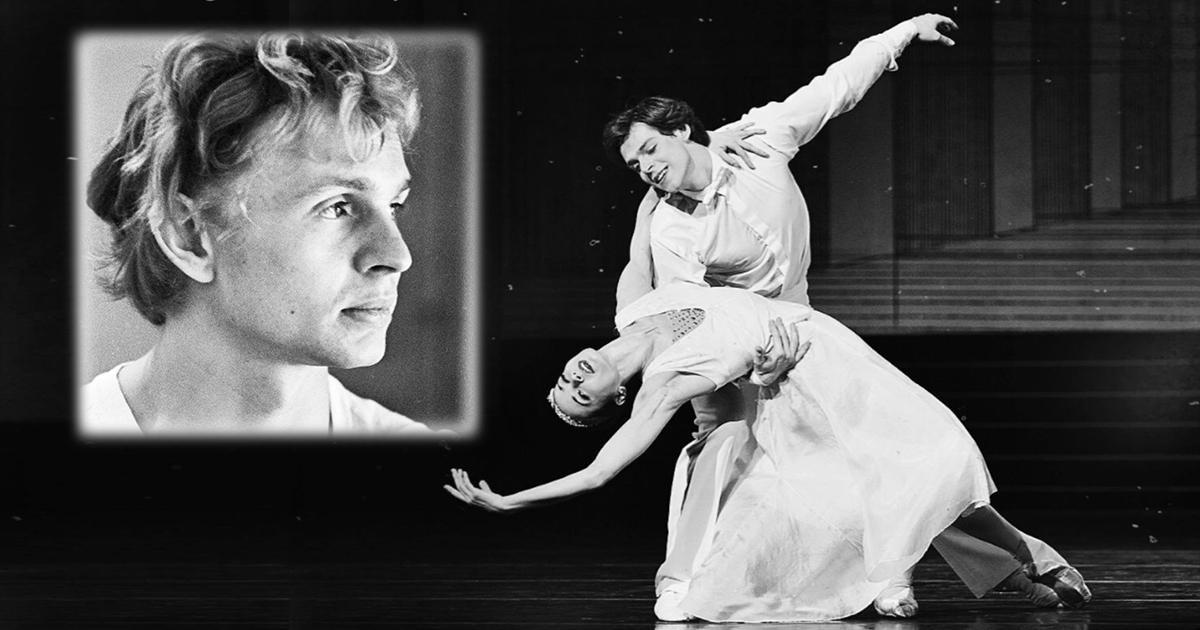

The Legendary Mariinsky Ballet Star Whose Tragic Fate Mirrors That of a Ballet Genius
Explore the inspiring yet heartbreaking journey of a celebrated Mariinsky Theatre principal dancer and his uncanny parallel with the life of ballet prodigy Yuri Soloviev.
The dazzling performances of the "cosmic Yuri" were often likened to Gagarin's pioneering spaceflight, yet his life was tragically cut short in an instant.
On a solemn Sunday, November 17, 2024, residents of Saint Petersburg gathered at the Mariinsky Theatre's side entrance, laying crimson roses, carnations, and delicate lilies—some wilting in the cold wind—around a temporary memorial. Lit candles and a black-and-white portrait of Vladimir Shklyarov stood as a poignant tribute. Just days prior, the Mariinsky's principal dancer had exited these very doors after rehearsal, unaware it would be his last.

Speculation surrounds his untimely death: some say the gifted dancer battled severe depression following a divorce, which may have led him to substance abuse. In an effort to fight his dependency, he requested to be locked inside his home but later attempted an escape through the balcony. Close friends refute this, suggesting a tragic accident occurred when he stepped outside for a smoke and lost his footing. Others believe he chose to end his life after grappling with overwhelming despair and a difficult midlife crisis.


Though at the peak of his career, brilliantly performing lead roles, internally he felt himself nearing the limits of his stage journey. He did not envision a future in teaching; his soul breathed only through dance. This haunting crossroads echoes the fate of another luminous Leningrad ballet star, Yuri Soloviev, whose tragic story is often recalled in connection with Shklyarov's.
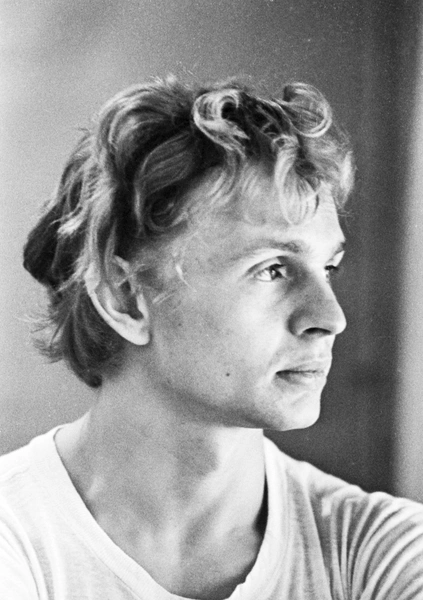
Yuri Soloviev was truly gifted by the gods of dance. From a young age, evacuated during wartime, he astonished audiences with his flawless fouetté turns and breathtaking leaps. His audition for the Vaganova Ballet Academy was marked by a solo performance that ignited his stardom. Soloviev didn't just dance; he defied physics with his soaring jumps, precise entrechats, and dizzying rotations. Yet, his relentless drive sometimes hindered his ability to capture the full emotional language of dance. Directors longed for him to not only fly across the stage but to truly inhabit it.
His contemporary and rival, Rudolf Nureyev, seemed to naturally embody this artistry, often overshadowing Soloviev in an unspoken competition. While stage presence came easily for some, the true art lay in embracing life and death on stage.
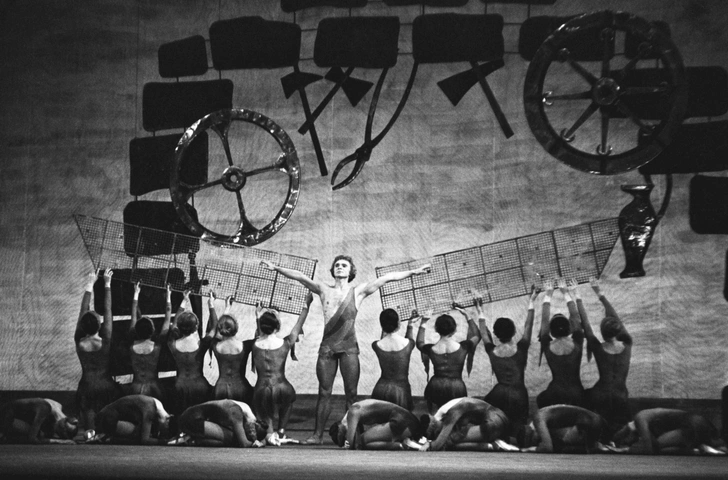
In the early 1960s, a sweeping reform of ballet brought new choreographers to the Kirov Theatre, including Igor Belsky and Yuri Grigorovich, who emphasized the self-sufficiency of dance. This shift liberated Soloviev from the pressure to 'act' and 'emote,' focusing instead on pure movement. Belsky cast Soloviev in the leading role of the Youth in his "Leningrad Symphony," an avant-garde production that stirred the ballet world with its symbolic depth and was performed covertly outside regular hours.
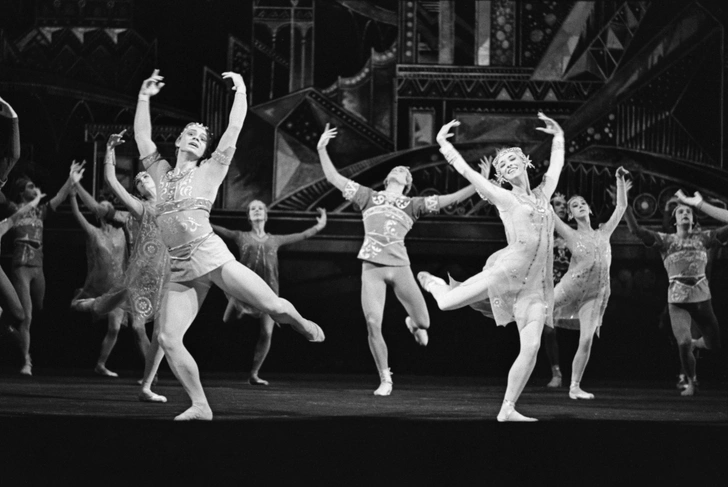
Critics hailed the performance as emblematic of a ballet renaissance, dubbing Soloviev’s leaps the "cosmic Yuri jump," especially poignant as the premiere occurred just days after Gagarin's historic spaceflight.
He embodied the archetype of the Russian hero with calm, fluid strength and a noble spirit. Though his appearance was that of a robust, fair-haired warrior, he portrayed only himself.
However, controversy erupted when the Kirov Theater toured Paris with the "Leningrad Symphony." During the tour, Nureyev defected and sought political asylum, a move that shocked the ballet community. Soloviev did not follow suit; he was regarded as dependable and loyal. With Nureyev's departure, Soloviev ascended to the position of Kirov's premier dancer, and the theater mounted an unprecedented promotional campaign celebrating their "cosmic Yuri."
The Parisian audiences embraced him with thunderous applause, and within two years, he was awarded the prestigious French "Golden Star."
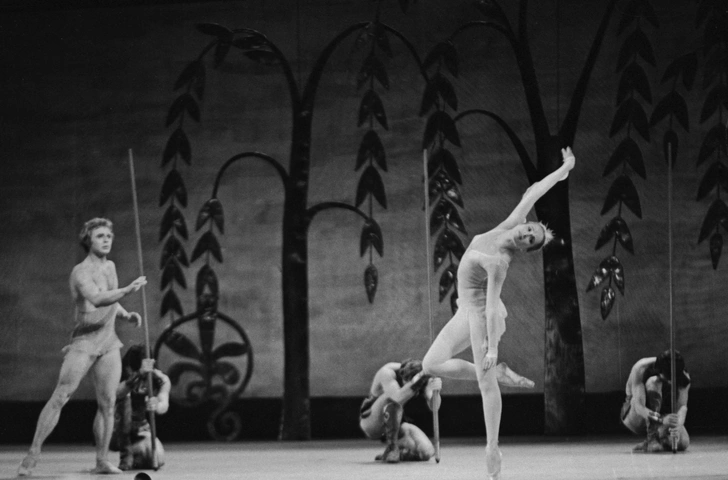
In the early 1970s, other Soviet ballet stars like Natalia Makarova and Mikhail Baryshnikov also defected during international tours. Meanwhile, Soloviev was honored as a People's Artist of the USSR, maintaining his steady and composed presence in the ballet world. In 1971, choreographers Natalia Kasatkina and Vladimir Vasiliev cast him as God in the Kirov's production of "The Creation of the World," inspired by Jean Effel’s drawings. Fans anticipated a transcendent performance from the "cosmic Yuri."
Yet, in the opening act, his portrayal was marked by a naive exuberance, shifting from a wise elder to a youthful spirit with overwhelming vigor. Critics remarked, "The cosmic Yuri has leapt beyond himself."
This production became Soloviev’s final major triumph and the pinnacle of his career. Age diminished his legendary leap and stamina, and he grew weary. At 36, he felt sidelined even within his family, where his wife and daughter were likewise devoted to ballet. "I come home to find them doing splits in front of the TV," he confided to friends.
In January 1977, Soloviev withdrew to his country home and was found dead there a day later, leaving no farewell note.
The "cosmic Yuri" rests at Serafimovskoe Cemetery in Saint Petersburg, commemorated by a monument depicting him as the Water Spirit from "The Little Humpbacked Horse."
Photo credits: Pavel Fedotov, Vyacheslav Prokofiev / TASS
Discover the latest news and current events in Lifestyle as of 22-11-2024. The article titled " The Legendary Mariinsky Ballet Star Whose Tragic Fate Mirrors That of a Ballet Genius " provides you with the most relevant and reliable information in the Lifestyle field. Each news piece is thoroughly analyzed to deliver valuable insights to our readers.
The information in " The Legendary Mariinsky Ballet Star Whose Tragic Fate Mirrors That of a Ballet Genius " helps you make better-informed decisions within the Lifestyle category. Our news articles are continuously updated and adhere to journalistic standards.