



Independent Review Urges Creative Scotland to Be Bolder, Broader, and Better Governed
An independent review calls Creative Scotland to be bolder, shed bureaucracy, broaden its remit, and diversify funding and governance to better support Scotland’s vibrant culture amid funding pressures and concerns.
A government-commissioned review urges Creative Scotland to embrace bigger ambitions, take smarter risks, and modernize how it supports Scotland’s culture sector. While lauded for stabilizing funding during austerity and the pandemic, the body is urged to move beyond funding to become a proactive advocate and strategic influencer.
The findings come from feedback gathered from more than 450 stakeholders and under the leadership of former local authority chief executive Angela Leitch. The panel notes that Creative Scotland is sometimes viewed primarily as a grant-maker rather than a champion of creative development.
Although the report recognises the sector’s achievements, it argues that current funding does not match Scotland’s creative potential and calls for broader, more ambitious investment across disciplines.
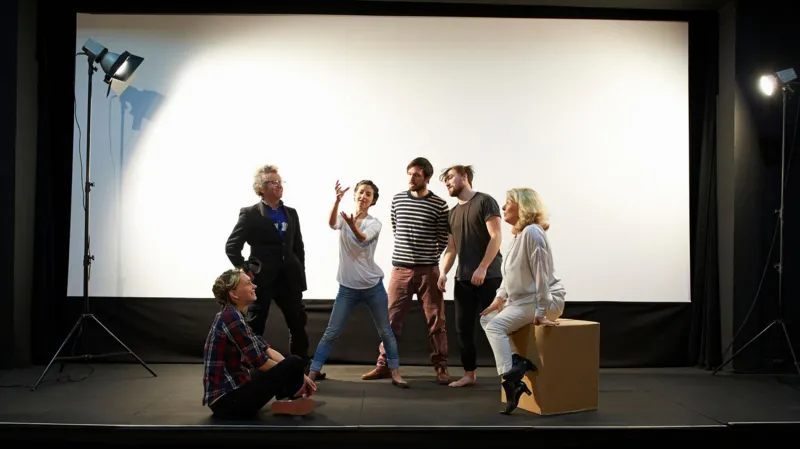
The review, led by Angela Leitch, emphasises that Creative Scotland’s remit should extend beyond funding to include advocacy, development, and sector-wide influence. It also highlights the need for greater diversity among board members, staff, and the projects funded, to better reflect Scotland’s cultural landscape, including areas such as audio, comedy, architecture, and gaming.
Staff and external observers pointed to a controversial funding decision surrounding an erotic film installation, with the project reversed after media scrutiny. The report also notes that some staff learned of decisions only after media coverage, underscoring calls for stronger internal governance and decision-making transparency.
The board currently commits limited time to the role, and the review recommends increasing its involvement, with broader geographic reach beyond Scotland’s central belt. Respondents also reported feeling constrained by government influence over funding decisions, even as government pledges more culture funding—£29m already allocated and a further £100m expected by 2028-29.
Critics described the process as burdened by bureaucracy, which some said required large use of consultants and contributed to mental health strain for applicants. The inquiry concluded that Creative Scotland has provided meaningful support since its 2010 creation, but it must evolve to meet contemporary needs. A second, broader review into the wider cultural funding ecosystem is still underway.
Culture Secretary Angus Robertson welcomed the review as timely, expressing optimism that its recommendations could strengthen Scotland’s arts, screen, and cultural sectors. He stressed that while funding pressures persist, the government will evaluate which proposals are realistically deliverable.
Reactions from political parties
The Scottish Conservatives described the report as damning, accusing the culture secretary of insufficient leadership and transparency at Creative Scotland. They urged practical measures to restore trust and governance. The Scottish Liberal Democrats warned that shifts in the culture budget could risk jobs and confidence unless carefully managed, and signaled these issues would be a focus ahead of Holyrood elections.
Culture Counts, a campaign group, called for legislation to safeguard the ecosystem of creative organisations that support tens of thousands of jobs and add billions to the economy, as reform discussions progress.
Key Takeaways
- Creative Scotland should broaden its remit beyond funding to include advocacy and sector development.
- Board and staff diversity should reflect Scotland’s cultural landscape, with increased time and regional reach.
- Funding levels must align with ambition, with clearer governance and performance monitoring.
- Stronger decision-making scrutiny and transparency are essential for public trust.
- A complementary review will explore alternative funding models for culture.
Expert perspective
Expert comment: Dr. Maya Chen, a cultural policy analyst, says the report signals a critical opening for reform, but timely action will determine its impact on Scotland’s creative economy.
Summary
The independent review recognises Creative Scotland’s role since 2010 while urging a broader, more ambitious approach, stronger governance, and more inclusive funding. While government increases in culture funding provide a path forward, stakeholders emphasize the need for swift, tangible reforms. The ongoing second report will widen scrutiny to the broader cultural funding landscape and potential new funding models.
Key insight: The review calls for bold reform, improved governance, and broader support for Scotland’s culture sector to unlock its full potential. Source: BBC.