


Why Do People Tape Their Mouths at Night? Safety and Safer Sleep Tips
TikTok-spurred trend of mouth-taping promises nose breathing and better sleep. This guide reviews evidence, risks, and safer alternatives for improved rest.
Recently, some people tape their lips shut at night hoping to breathe through the nose more consistently. The trend gained momentum on social media and even inspired new mouth tape products. This article explains what mouth-taping is, what science says, and safer ways to improve sleep quality.
What Mouth Taping Involves
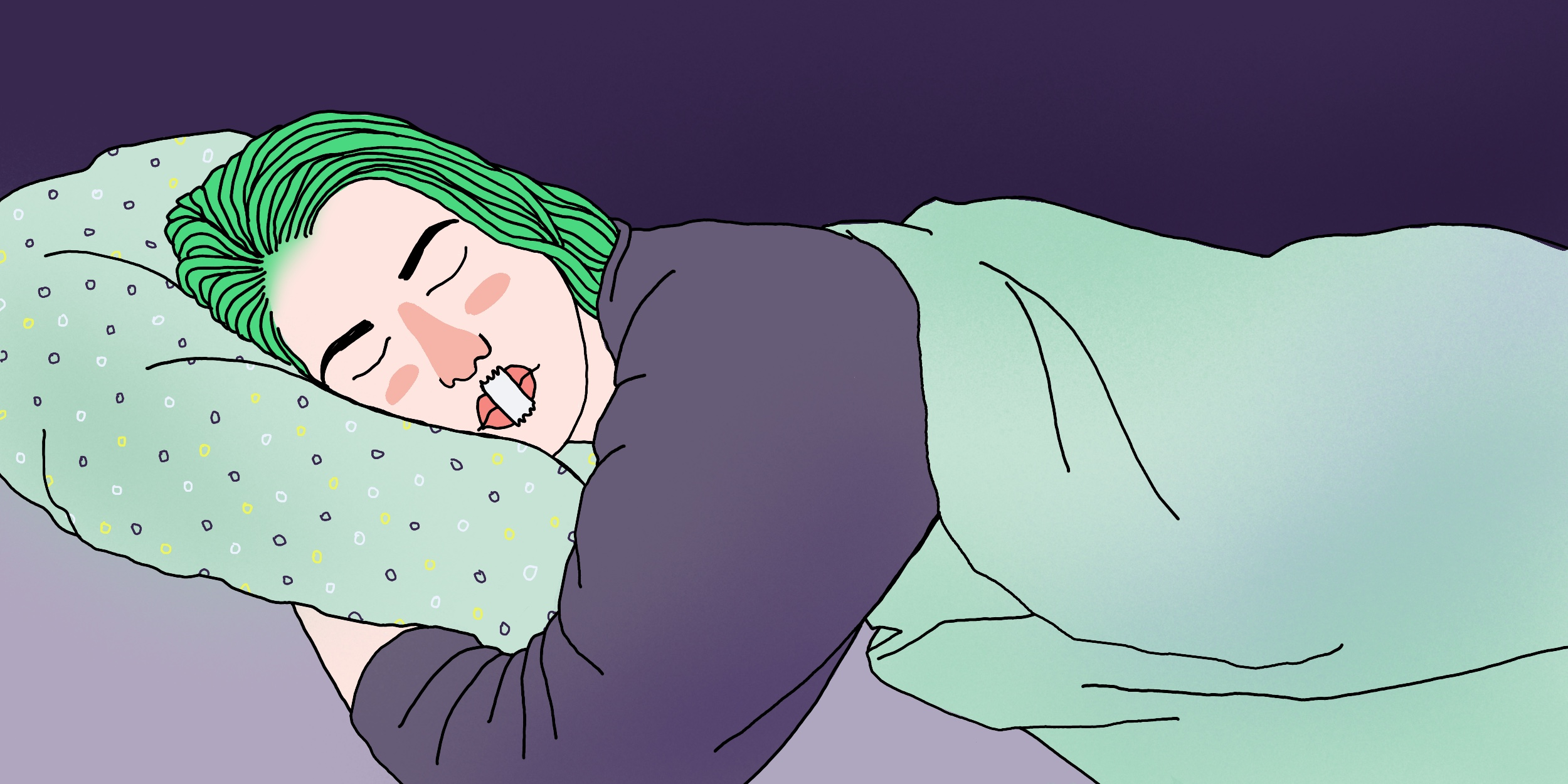
Fans apply a soft, breathable tape to the lips before sleep to encourage nasal breathing. Proponents say it can reduce mouth breathing, snoring, and a dry throat. Critics warn it can be uncomfortable, and potentially risky for people with breathing problems.
Nasal breathing has benefits because it can help with several aspects of sleep and health:
- Lower blood pressure
- Filter allergens from the air
- Control the temperature of the air you breathe
- Humidify the air and prevent a dry throat
- Reduce bad breath
- Lower anxiety and stress during sleep
- Less sleep disruption from breathing problems
During rest, healthy breathing is typically through the nose. Some people, however, have nasal congestion, a deviated septum, or enlarged tonsils that push them toward breathing through the mouth. Mouth-taping tries to restore the natural nose-breathing pattern, though it does not fix the underlying issue.
Does Mouth Taping Work?
In short, the evidence is inconclusive. Most studies are small, results are mixed, and some findings have been challenged by researchers.
For example, one small study reported less snoring among 30 participants who used mouth tape. Another study found no changes in 36 adults with asthma. A 2022 experiment showed that tape on the lips caused people to puff their cheeks and sigh more during sleep, but it did not stop mouth breathing.

Expert opinion: Dr. Cynthia Pena-Orbea, a sleep medicine specialist, notes that the method is unlikely to help people who already breathe through their nose during sleep.
Most of the evidence is anecdotal. There are not enough solid data to support clear benefits from mouth-taping.
Potential Risks of Mouth Taping
The most important concern is that it can worsen existing breathing problems or, in rare cases, reduce oxygen intake. Health professionals caution that the method is not suitable for everyone.
Experts warn that it may not be appropriate for children or people who snore heavily, have sleep apnea, or are sensitive to adhesives. Skin irritation and allergic reactions are possible, especially around the lips where the skin is delicate.
Dr. Anne Kerrin, a sleep specialist, says the technique should not be used by anyone who can hear themselves breathe through the nose while sleeping; if you hear yourself breathing through the mouth, tape may not be the right option. Parents should avoid mouth-taping for children, since research on this practice mainly involves adults and children have different protective reflexes.
Should You Try Mouth Taping? A Practical View
Overall, this approach is not recommended due to a lack of proven benefits and notable risks. If you still want to consider it, consult a healthcare professional first. If you experiment, use a breathable, hypoallergenic tape, and test it on your skin for about ten minutes during the day to check for irritation.
Safer Alternatives to Mouth Taping
There is no universal cure, but several safer steps can help reduce mild sleep-related breathing issues.
Sleep on Your Side
Side sleeping is a well-supported strategy for reducing mild snoring and keeping airways open. If you find it uncomfortable, a well-chosen mattress and pillow can improve spinal alignment and comfort.
Try Nasal Strips
Net-like nasal strips can open the nostrils, making nasal breathing easier during sleep. They are usually hypoallergenic and may help with congestion due to allergies or colds.
Adopt Good Sleep Hygiene
Establish a consistent sleep schedule, avoid alcohol, tobacco, and caffeine late in the day, and limit screen time before bed. Create a quiet, dark, and cool sleeping environment to support restful sleep.
Get Regular Exercise
Regular physical activity can improve sleep quality and help with breathing problems that contribute to snoring. Even a 30-minute walk or cycling session most days can help, and weight management is often beneficial for breathing during sleep.
Improve Oral Hygiene
Sometimes bad breath is not tied to breathing patterns. Brushing teeth and tongue regularly and using mouthwash can reduce odors and improve overall oral health.
Consult a Doctor
If breathing issues persist, seek medical advice. A clinician can assess your breathing during sleep, identify underlying causes, and recommend appropriate treatment options.
Bottom Line
Mouth-taping remains a trendy but unproven approach with potential safety concerns. For most people, safer strategies—such as improving sleep habits, nasal breathing aids, and professional evaluation—are preferable.
Summary
From a health and learning perspective, there is limited scientific support for mouth-taping. While nasal breathing offers several benefits, taping the lips can irritate the skin and may not address the root causes of breathing problems. Safer options include adjusting sleep position, using nasal strips, and seeking medical advice for persistent snoring or sleep apnea. Making gradual, evidence-based changes will usually yield better and safer sleep results.
Key takeaway: Mouth-taping is a popular but not proven method for improving sleep; prioritize proven strategies and professional guidance for safer, better rest.