


How to Use Hair Conditioner Properly for Healthier Hair
Learn how hair conditioner works, the differences from balms and masks, and follow simple steps to keep hair hydrated, shiny, and strong. Discover which type suits your hair and how to apply it for best results.
Healthy hair starts with a simple routine. This guide explains how hair balm, conditioner, and masks differ and shows practical steps to keep your hair hydrated, soft, and manageable.
What is a hair conditioner and why you need it
A conditioner, sometimes called a hair balm in some markets, is a post-wash treatment that helps detangle, reduce static, and add shine. It suits most hair types, especially dry, damaged, or color-treated strands.
Most conditioners share common ingredients:
- Cationic surfactants (for example, cetyl trimethylammonium chloride) help the product cling to the hair and smooth the cuticles.
- Acidifying agents (such as citric, malic, or acetic acids) help restore the natural pH balance of hair.
- Humectants (glycerin, urea, panthenol, hyaluronic acid) attract and hold moisture on the hair surface.
- Silicones provide a smooth shield over the strands.
- Oils nourish the hair and restore softness and shine.
Depending on the active ingredients, a conditioner can:
- increase strength, density, and elasticity;
- balance hair pH;
- fill gaps in the hair fiber;
- brighten and smooth the surface;
- prevent further damage.
Note that the effect is usually temporary; hair returns to its baseline once the product is no longer used as part of the routine.
Types of hair balms and conditioners
Products vary by their main function. The common options include:
Tinted or color-depositing conditioner
A tinted conditioner refreshes hair color gently, acting as a semi-permanent color booster. It usually contains little or no ammonia. It’s not a full color change, but it can brighten or cool a tone, fast-tracking a refreshed look. Light hair colors respond best.
What to buy (approximate USD prices):
- Tinted conditioner Glam Copper by Palette, about $4.75
- Tinted conditioner Steel Ash by Concept, about $8.15
- Nourishing tinted conditioner Blond Bar by Kapous, about $5.75
Moisturizing / Nourishing conditioner
Moisturizing formulations suit most hair types and are a versatile daily option, while nourishing formulas have a higher concentration of active ingredients for drier or more damaged hair. For fine or oily hair, choose lighter versions to avoid weighing hair down.
Examples (approximate USD prices):
- Strengthening conditioner with peptides Greenini, about $4.25
- All-types conditioner BY KAORI, about $15.00
- Moisturizing conditioner Honey Boom, about $6.50
- Color-safe professional conditioner ETERNO, about $5.50
- Hydrating conditioner For Me, about $17.50
- Straightening balm Teotema, about $22.50
- Hydro-balm ESTEL for weakened hair, about $5.75
How the balm/conditioner differs from a standard conditioner, and from a hair mask
All three aim to support healthy hair, but in practice, the word conditioner covers most products designed to restore the hair’s structure and ease detangling. In some markets the terms are used interchangeably, while masks provide deeper treatment and longer-lasting moisture.
How to use hair conditioner
Always start with the manufacturer’s instructions, but the general method is simple:
- Shampoo your hair and gently squeeze out excess water.
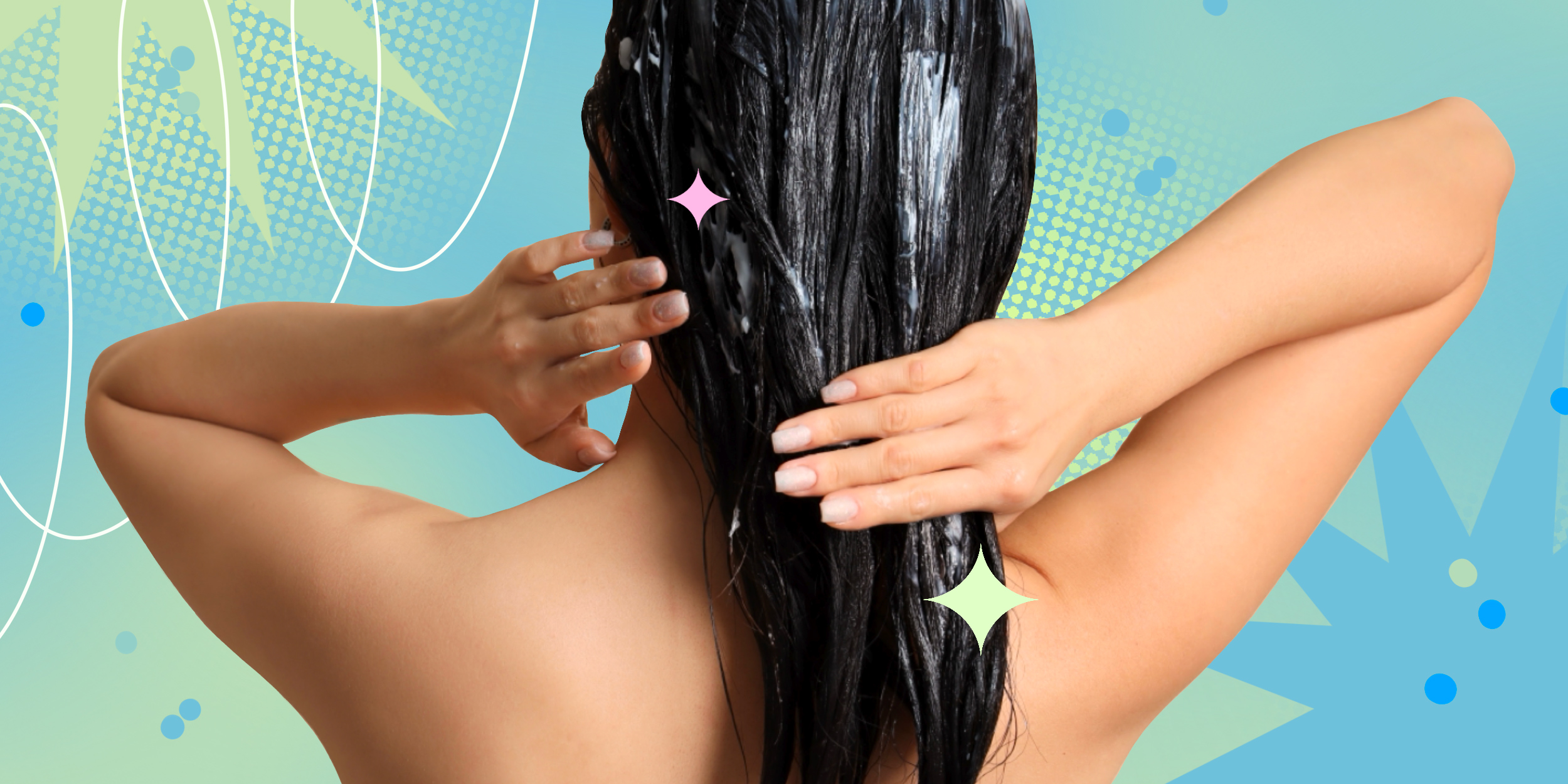
- Distribute a small amount of conditioner along the mid-lengths to the ends, avoiding the scalp unless specified. You can also apply only to the ends. Use a wide-tooth comb if needed.
- Leave it on for the time indicated on the label.
- Rinse thoroughly with warm water, or skip this step if the product is rinse-off only and your routine calls for it.
For tips on tinted conditioners, see our article about color-deposit toners for hair.
Expert opinion
Dr. Maria Chen, a hair specialist, notes that applying conditioner mainly to the middle and ends helps prevent weighing the roots down. She emphasizes choosing a formula that matches your hair type for best results.
Key insight: The best results come from selecting the right conditioner for your hair type and applying it correctly after washing.
Quick recap
Conditioners restore softness, improve manageability, and protect against damage. Choose tinted or moisturizing formulas based on your hair needs and always apply to mid-lengths and ends, then rinse as directed to maximize results between washes.