


3D-Printed Boats Move Toward Real-World Use as Dutch CEAD Scales Hull Production
Dutch firms CEAD and Raw Idea are pioneering large-scale 3D-printed boats, slashing hull build times, enabling on-site production, and expanding use of recycled materials.
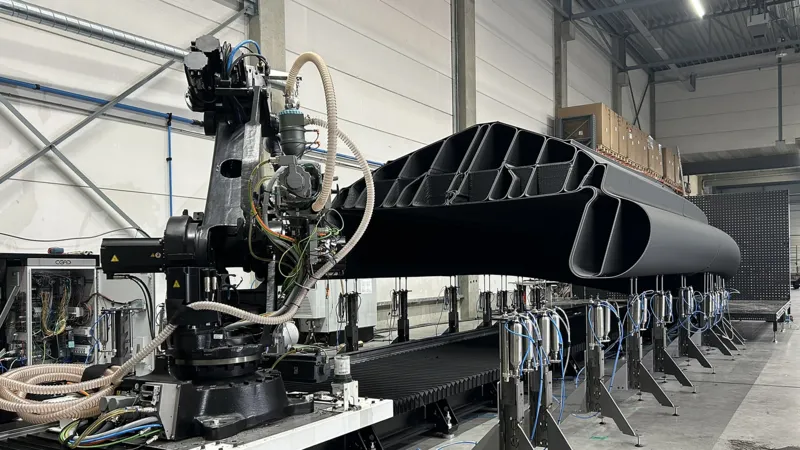
In Delft and Rotterdam, Dutch engineers are turning big ideas into practical boats built with large-scale 3D printing. CEAD’s Marine Application Centre is advancing hull production from prototypes to real-world deployments, offering faster builds and lower costs for commercial and military vessels.
The breakthrough rests on a durable base material: a blend of thermoplastics and fiberglass that resists sunlight, fouling, and saltwater without extra coatings. After extensive testing, the team has a hull foundation strong enough for daily sea conditions and demanding environments.
The goal is to create a reliable, scalable starting point for printing a wide range of boats.
From design to production
3D printers add material layer by layer following a digital blueprint. Each layer bonds with the one beneath it to form a seamless structure, dramatically reducing manual finishing and enabling rapid design tweaks without costly molds.
Milestones and real-world tests
CEAD’s largest printer, nearly 40 meters long, has already produced a 12-meter fast boat prototype for the Dutch Navy in about six weeks, and it has been used to print an electric ferry for a client in Abu Dhabi. The company estimates roughly 90% of the boat-building process can be automated, cutting costs and accelerating delivery.
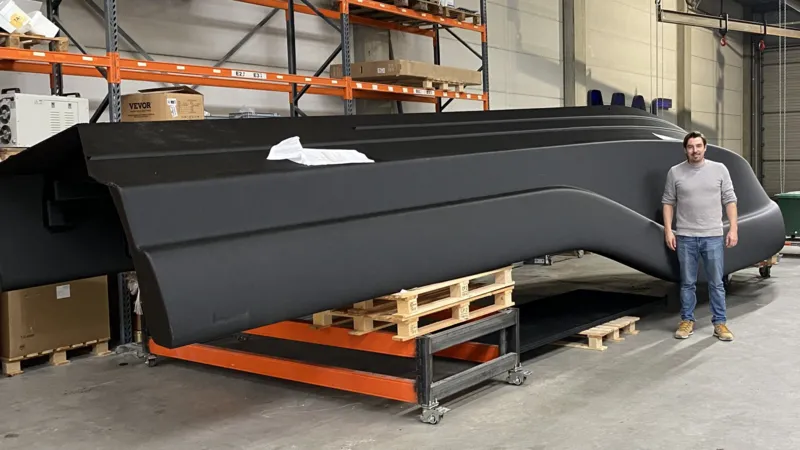
Raw Idea, based in Rotterdam and behind the Tanaruz leisure brand, is pursuing a similar path for consumer markets, especially boat rentals. Managing director Joyce Pont notes that rental operators are eager to adopt 3D-printed vessels, even as some buyers remain cautious.
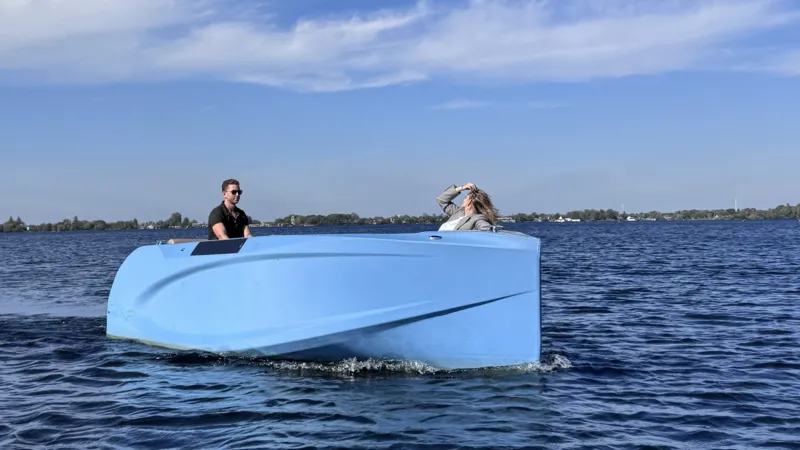
Raw Idea uses a mix of glass fiber and recycled consumer plastics, with cost pressures tied to recycled materials. Pont expects scale and continued innovation to push prices downward within a few years, foreseeing a growing role for 3D-printed fast boats in leisure and rental fleets.
Regulation and industry outlook
The marine sector is highly regulated, and authorities are updating standards to keep pace with new materials and designs. CEAD and Raw Idea are engaging with European regulators in real time as they pilot vessels that don’t easily fit existing categories.
Industry mood is mixed. While some see 3D printing as a niche tool in shipbuilding, others believe it will become more mainstream as materials improve and production scales up.
Joyce Pont remains cautiously optimistic about fully printed ships, suggesting larger, luxury vessels may retain some manual, craft-like elements for the foreseeable future. Logtenberg counters that a decade or two might be enough to print entire hull sections as materials advance and printers become more capable.
In the near term, the technology is already reshaping niche vessels and fast boats, delivering faster timelines and new business models for fleets and rental operators.
Key Takeaways
- Large-scale 3D printing is accelerating hull production, turning prototypes into real vessels faster.
- A durable thermoplastic-fiberglass base enables seaworthy hulls without extra protective coatings.
- On-site and near-market production offers flexibility and potential cost savings.
- Regulators are adapting to certify new materials and designs as technology evolves.
- Early momentum is strongest in rentals and fast boats; broader use may grow over the next 5–10 years.
Expert comment: The shift to printed hulls marks a meaningful industry change, but sustained material breakthroughs and tighter regulatory alignment are essential for wider adoption. The Dutch example demonstrates practical progress, even as full-scale ships remain several years away.
Summary: Large-scale 3D printing is transitioning from a pilot to real-world production, with quick Navy hulls and on-demand ferries already demonstrated. Consumer markets, especially rentals, stand to gain from flexible design and recycled materials, while regulation catches up. If material science and scale continue to improve, 3D-printed boats could reshape parts of maritime manufacturing in the coming decade.
3D printing is accelerating boat production by enabling rapid, on-site manufacturing and flexible design, reshaping the maritime supply chain. BBC News