

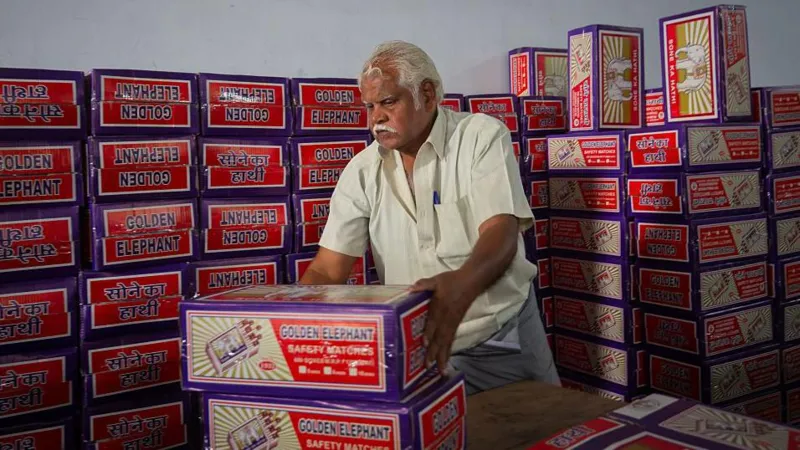

India's Sweeping Labour Codes Take Effect as Unions Seek Rollback
Unions push for rollback as India's new labour codes take effect, arguing reforms tilt toward employers while promising simpler compliance and new protections for gig workers across industry and regions.
India has begun implementing its most far-reaching set of economic reforms in decades, consolidating 29 labour laws into four simplified codes. The move aims to ease compliance for businesses while expanding protections for workers and recognizing the growing gig economy.
Under the reforms, regulatory rules have shrunk dramatically—from about 1,400 to roughly 350— and the number of required company forms has fallen from 180 to 73. After years of political debate and delays, the codes are now slated for nationwide implementation, bringing a long-anticipated overhaul to India’s labour framework.
Businesses have welcomed the changes as a step toward a more competitive economy. A major broker, Nomura, described the reforms as part of a broader push to accelerate economic reforms, attract foreign investment, and integrate India more closely into global value chains.
Trade unions, however, have vehemently opposed the move, calling the codes the most sweeping erosion of workers’ rights since independence. Protests have spread across the country, with thousands taking to the streets in major cities, including Delhi, demanding a rollback.
At a Delhi protest, a factory worker, Akashdeep Singh, said the changes would benefit employers more than workers, reflecting widespread fears about job security and bargaining power.
The government argues the reforms modernize outdated rules, simplify compliance, and extend protections to all workers, including millions in informal and gig roles. Key provisions touted by officials include mandatory appointment letters, a uniform minimum wage framework, free annual health check-ups for workers over 40, and gender-neutral pay in some sectors.
Officials also highlight reduced compliance burdens, stronger social security provisions, and an expanded scope of employees to include gig workers—steps they say will formalise a large portion of India’s informal economy.
Experts note that the codes address major inconsistencies in the old system, which often left rules open to conflicting interpretations. Arvind Panagariya, economist and former Niti Aayog chief, argued that the previous regime was riddled with contradictions that hindered implementation and efficiency.
Yet two contested elements drew sharp pushback. The new rules make it easier for firms to dismiss workers by raising the threshold for government approval from 100 to 300 employees, and they introduce a 14-day strike notice requirement that unions say curbs collective bargaining power.
Union leaders, such as Sudeep Dutta of the Centre for Indian Trade Unions, warned that excluding a large swath of workers from labour protections would worsen grievance handling and delay justice for those facing unfair treatment. Economists also differ on the reforms’ impact on investment and growth, with some arguing that a flexible labour market is essential for scale and competitiveness, while others caution that reforms alone cannot revive demand or investment cycles.
Transition challenges are expected as both state and central rules interact and companies adjust wage structures, HR processes, and social security schemes. Staffing firm BDO India notes that dual compliance may persist in the near term as the system harmonises.

The government remains confident the reforms will catalyze formalisation, boost productivity, and expand employment opportunities over time, even as short-term volatility and resistance continue to challenge smooth rollout.
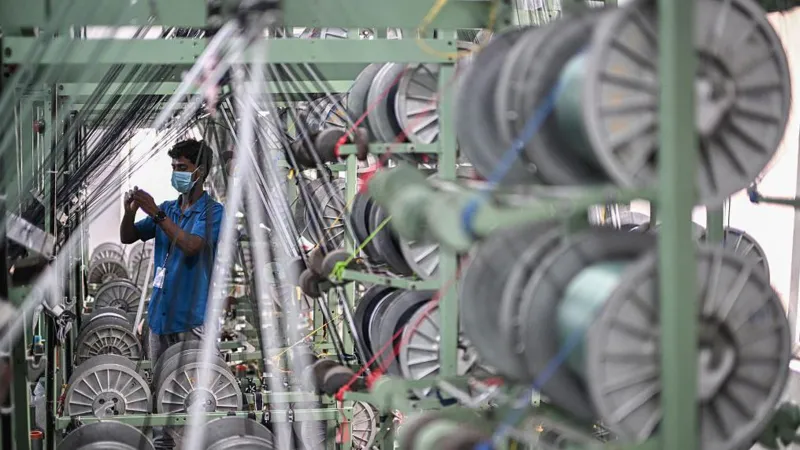
Key Takeaways
- 29 labour laws merged into four codes, slashing rules from about 1,400 to roughly 350 and forms from 180 to 73.
- New provisions include mandatory appointment letters, uniform minimum wages, health checks for those over 40, and gender-neutral pay in some sectors.
- Gig workers gain a formal recognition, expanding coverage in India’s vast informal economy.
- Debate centers on thresholds for layoffs (100 to 300) and a 14-day strike notice, seen by unions as limiting workers’ bargaining power.
- Experts warn the transition will pose compliance and implementation challenges, with the ultimate impact on growth uncertain.
Expert Comment
"Simplifying the rules is essential, but it must be balanced with robust protections for workers. The practical impact will hinge on enforcement and how quickly both formal and informal employers adapt to the new codes."— Economic analyst
Summary
The introduction of India’s four new labour codes marks a historic shift aimed at modernising the workforce framework. While the reform package reduces administrative complexity and broadens coverage to gig workers, unions warn the changes risk eroding hard-won protections. In the near term, businesses may benefit from easier compliance, yet the path to smoother implementation remains uncertain as the country navigates transitional challenges and evolving worker responses.
Key insight: The codes strike a balance between easing business operations and extending worker protections, but their real-world effect will depend on how rigorously they are implemented and how unions and employers adapt. BBC coverage