


Air Fryer or Multi-Cooker: Which Is Best for Your Kitchen?
Explore how air fryers and multi-cookers work, compare their strengths, maintenance needs, and price ranges to help you choose the right kitchen helper for quick, healthier meals.
In modern kitchens, air fryers and multi-cookers promise faster, simpler meals. This guide explains how they work, compares their strengths, and helps you decide which tool fits your cooking style.
How air fryers and multi-cookers work
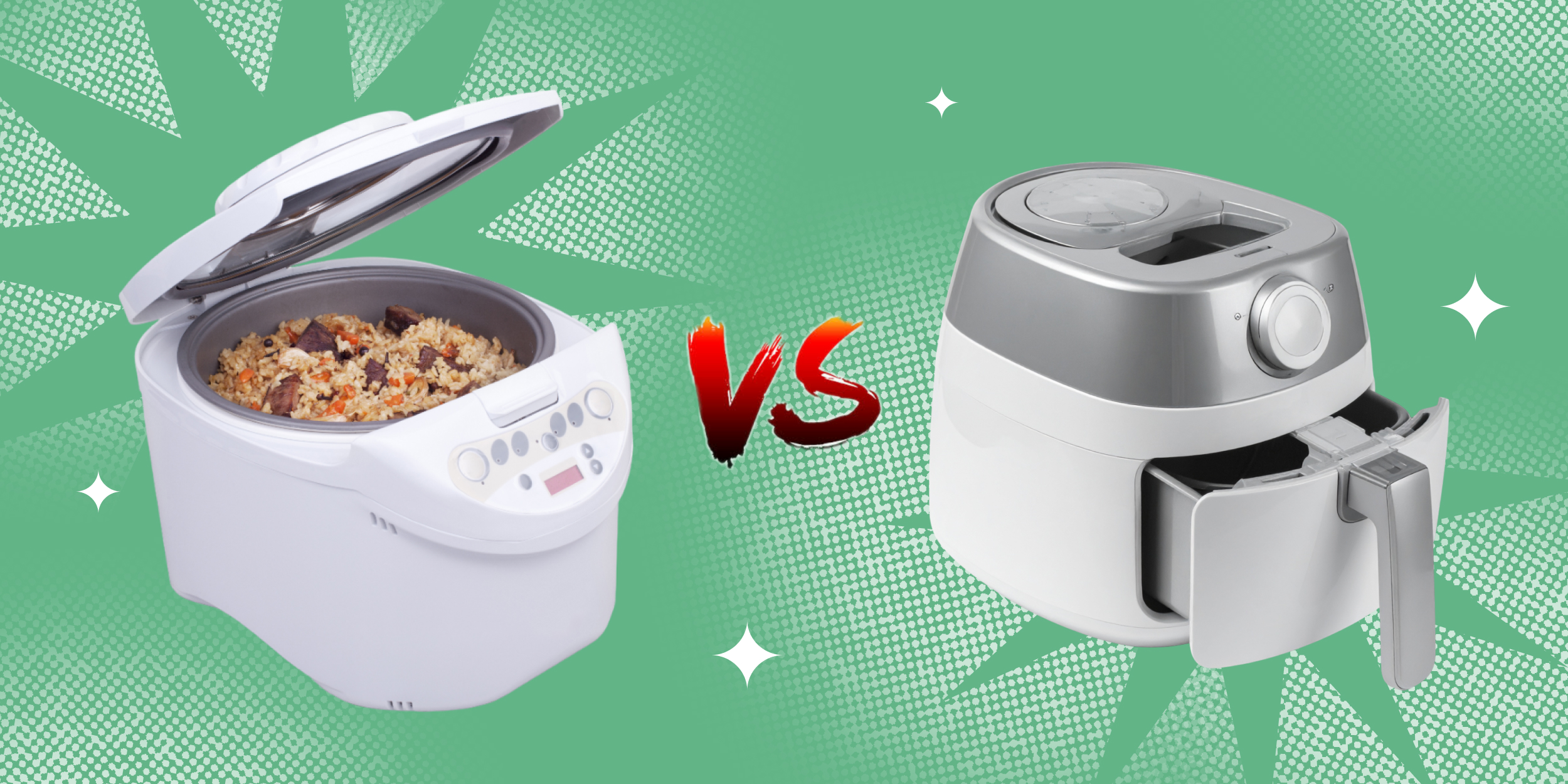
An air fryer is like a compact convection oven. It heats air quickly and blasts it around food placed in a basket, creating a crisp crust with little or no oil. It can bake, fry, and even thaw foods.
A multi-cooker is a smart pot. It mainly cooks with controlled heat and, in pressure mode, uses steam to speed up cooking. You add ingredients, choose a program such as Porridge, Stew, or Pilaf (Plov), and the device maintains the right temperature. When a cycle ends, it switches to a warm mode to keep food ready without overcooking.
Both devices offer extra programs. For example, some air fryers include yogurt or smoking options, while some multi-cookers can steam or bake bread. Still, neither matches a traditional oven for baking bread.
Key differences between air fryers and multi-cookers
Let’s compare the main points.
What you can cook
Air fryers excel at foods that need a crispy outside: grilled chicken, French fries, roasted vegetables, and some baked items. Saucy dishes or meals with plenty of sauce don’t always work well in air fryers.
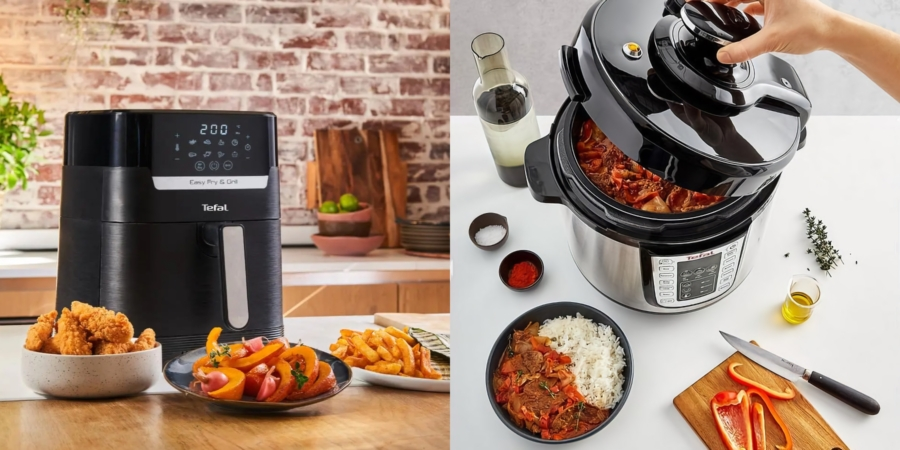
Multi-cookers are ideal for cereals, soups, stews, and braises—basically, foods you would cook in a pot. They also handle steaming or bread making if your model supports these modes.
Cooking process
Except for open-lid settings, a multi-cooker works like a set-it-and-forget-it device. After loading ingredients and starting, you can focus on other tasks until the timer ends.
Air fryers require more attention during cooking. Most recipes call for turning or shaking the food halfway, and sometimes adding a sauce near the end to avoid burning. Don’t leave an air fryer unattended for long.
Speed of cooking
Pressure-enabled multi-cookers can transform long braises or stews into shorter meals by building pressure within 10–20 minutes. For example, a dish that normally takes hours can finish in about an hour or two, depending on the recipe.
However, it may take time to come to pressure and release it, so simple dishes can take longer than with a basic slow cooker. In general, a smaller portion of food tends to cook faster in an air fryer than in a multi-cooker.
Maintenance
A multi-cooker is easy to clean: remove the inner pot and lid, wash by hand or in the dishwasher if allowed. Nonstick surfaces clean easily, especially if you rinse promptly.
You’ll usually need to dismantle the lid and wash attached parts after use, especially if the meal has strong smells. These components are generally not heavy to clean, and dishwasher-safe parts can simplify the job.
Air fryers require a bit more upkeep. The basket and racks should be washed after each use, and some parts may not be dishwasher-safe. The heating element can be tricky to reach for a thorough wipe.
Ease of use
On the basics, air fryers are simpler to operate: plug in, set temperature and time, and start. Many models show progress in a window, and recipe guides provide clear temperatures and times. Preset programs let you cook things like fries or shrimp with minimal effort.
Multi-cookers offer many modes with more complex controls. You’ll see options such as Fry, Bake, Stew, Porridge, and Rice. The settings determine heat, duration, and pressure. Getting perfect results often requires following specific recipes for your model, as differences between brands can matter.
Prices for both devices are similar. Basic models start around £25–£40, while more feature-rich models from well-known brands typically run about £80–£95 or more.
Which should you choose — air fryer or multi-cooker
Choose an air fryer if you want a healthier alternative to fast food with a crispy exterior using little oil. It’s ideal for quick meals for a small household and when you prefer ready-made programs that don’t require much planning. It’s also handy for reheating frozen baked goods or reviving stale pastries.
- Want a crispy texture on foods with little oil.
- Mostly cook for one to four people and value speed.
- Enjoy preset programs and simple timing.
- Want to crisp frozen items or refresh baked goods.
Choose a multi-cooker if you want to cook larger portions with minimal effort and prefer hands-free operation. It’s great for diverse, healthy meals and can replace several kitchen appliances if you have a model with bread and steaming options.
- Cook large portions of soups, stews, and grains efficiently.
- Value set-it-and-forget-it convenience and consistent results.
- Are comfortable experimenting to perfect your recipes.
- Prefer easy cleanup and dishwasher-safe parts.
These devices complement rather than replace a traditional oven. If you already bake well in a conventional oven, a multi-cooker can substitute for several pots and pans. If you crave crisp textures and faster results, an air fryer is a strong addition.
Expert comment: In most households, an air fryer gives crisp, oil-light results quickly, while a multi-cooker handles hands-off, larger meals with less effort. Both can work together with a standard oven.
Short summary: Air fryers deliver quick, crispy food with little oil, perfect for small meals. Multi-cookers offer convenient, hands-off cooking for stews, rice, and bulk meals. The best choice depends on your cooking style and kitchen needs, and many homes benefit from having both.
Key insight: Air fryers shine for crisp, oil-light meals in small portions, while multi-cookers excel at hands-off, versatile cooking for larger batches; neither fully replaces a traditional oven. Use the tool that fits your routine, or combine both for maximum flexibility.