


Sun Radiation Triggers Software Update for Airbus A320 Family, Grounding Thousands of Flights Worldwide
Airbus warns intense solar radiation could disrupt flight-control data on A320-family jets, prompting software updates or computer replacements for about 6,000 aircraft and delaying flights worldwide.
Airbus has warned that intense solar radiation at high altitudes can corrupt data used by flight-control computers in the A320 family, prompting rapid software updates and, in some cases, hardware changes.
The problem centers on the fly-by-wire control system across the A320 family, including the A318, A319, and A321 models. In rare conditions, solar particles can distort the data that determines a plane's elevation and attitude, raising safety questions for operators.
About 6,000 aircraft are affected worldwide. Approximately 5,100 can be remedied with a software update, typically taking around three hours, while roughly 900 older aircraft require on-board computer replacements and cannot carry passengers until fixed. Replacement parts availability will influence how quickly fleets return to service.
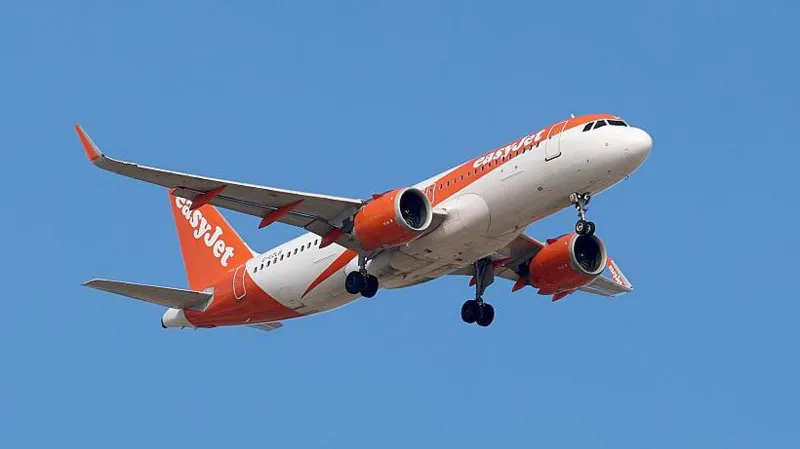
Airlines have begun fixes. Wizz Air reported it had completed updates on all affected A320s overnight, with Saturday operations continuing as normal. EasyJet said updates were underway and a full-service schedule would resume. In the United Kingdom, the Civil Aviation Authority cautioned there could be some disruption, though airports generally reported limited impact, with Gatwick noting some delays and Heathrow not reporting cancellations.
In the United States, the issue coincided with a busy Thanksgiving travel period. American Airlines estimated about 340 aircraft would be updated by weekend's end, with some flights delayed. Delta Airlines anticipated a limited impact on operations. In Australia, Jetstar canceled about 90 flights as roughly a third of its fleet faced the issue, though most aircraft had already undergone the update.
The European Union Aviation Safety Agency has issued an emergency directive requiring the fix before any passenger flights resume. Aircraft can undertake ferry flights to reach maintenance facilities without passengers onboard during the interim.
Technically, A320 family aircraft are fly-by-wire systems, meaning pilot inputs are converted to electronic commands rather than direct mechanical linkages. The risk arises when solar radiation interferes with the data used to control altitude and other flight parameters.
What caused the issue
The vulnerability emerged after Airbus investigated an October incident in which a flight experienced a sudden altitude loss. The company stressed that such events remain extremely rare and that the remedy is designed to prevent a recurrence.
The regulatory response
Regulators emphasised safety and durable fixes. The UK Civil Aviation Authority warned that disruptions may occur in the coming days, while noting that the overall safety record of air travel remains strong due to rigorous maintenance and monitoring programs.
Key Takeaways
- A sun-driven interference can affect flight-control data in the A320 family, triggering mass software updates and some hardware replacements.
- Most fixes are software-based and can be completed quickly, but older aircraft require longer downtime due to parts availability.
- Airlines and regulators are prioritising safety and aim to minimize passenger disruption while completing the fix.
- Operational impacts vary by country and airline, with some airports seeing disruptions and others experiencing minimal delays.
Expert Insight
"This is a very unusual, rare event, and the level of disruption will depend on how airlines implement updates and secure replacement hardware if needed," says an aviation analyst.
Summary
Airbus quickly identified a solar radiation interaction that can perturb fly-by-wire flight-control data in the A320 family, prompting a rapid global update campaign. The majority of aircraft can be updated via software within a few hours, while a subset requires hardware replacements, extending downtime for some fleets. Regulators have issued directives to ensure safety as airlines work to limit disruption and restore normal schedules.
Sun radiation can intermittently corrupt flight-control data on fly-by-wire aircraft, prompting swift software fixes and, for some jets, hardware replacements. This rare issue highlights the need for swift, coordinated maintenance to keep air travel safe. Source: BBC News