



How to Reduce Venus Rings on the Neck: Dermatologist Explains
Venus rings are horizontal neck lines that often signal aging. Learn causes and proven, non-surgical options from a dermatologist in this practical guide.
Horizontal lines across the neck, often called Venus rings, are a common sign of aging. They may also appear earlier due to genetics or lifestyle. This guide explains what causes them and how they can be reduced with skincare and medical treatments.
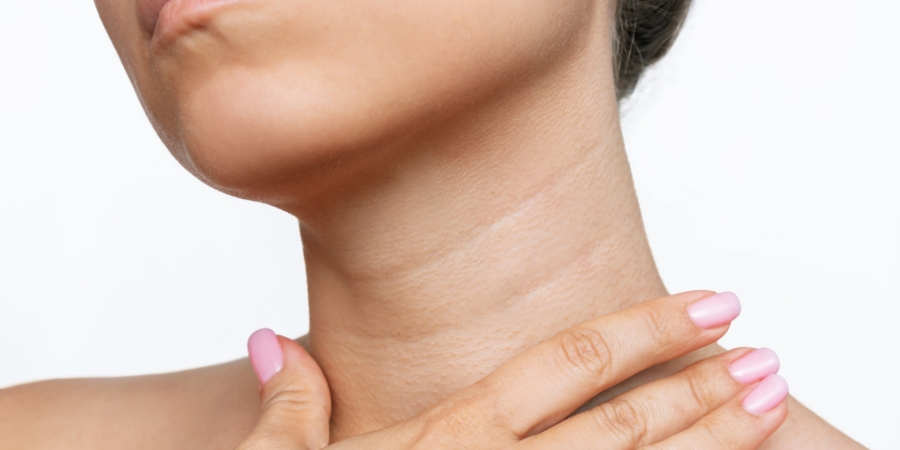
What Are Venus Rings?
The neck skin is among the most delicate areas. It is thinner and drier than facial skin, so it loses moisture and elasticity faster. Venus rings describe horizontal lines that run across the neck, typically linked to aging but can appear earlier due to genetics or lifestyle.
In cosmetic terms, Venus rings are not a medical diagnosis but a popular name for neck lines. Many people find them bothersome and seek ways to reduce their appearance.
Causes
The neck contains a thin superficial muscle called the platysma; it does not attach to bones, unlike many other muscles. It starts near the chest and blends into the skin of the lower face and corners of the mouth. Over time it loses elasticity and tone, which can create horizontal neck lines. The skin on the neck is thinner and drier, so dehydration, sun exposure, smoking, and poor skincare worsen the effect. Aging also reduces collagen and elastin, the proteins that keep skin firm.
Daily habits also contribute. Many people tilt their head downward to look at phones or laptops, causing repeated folds in the same places and leading to what is sometimes called "text neck"—a contributing factor to neck lines.
Can You Get Rid of Venus Rings?
Completely eliminating Venus rings is difficult because they reflect anatomy and aging. However, their visibility can be reduced with the right approach.
The cornerstone is a consistent daily routine: clean the neck, moisturize, and protect from the sun. For more pronounced lines, a dermatologist can offer several options:
- Botulinum toxin injections to relax the platysma and ease tension in the neck muscles, which can soften horizontal lines.
- Dermal fillers based on hyaluronic acid to fill deep creases and even the skin surface.
- Laser and radiofrequency (RF) treatments to stimulate collagen and tighten tissue at deeper levels.
- Non-surgical SMAS lift using focused ultrasound to lift deep layers and define the neck contour without incisions.
- Biorevitalization injections that hydrate and renew the skin to improve tone and elasticity.
In more serious cases, a surgeon may perform platysmaplasty to tighten neck muscles and remove excess skin. This is usually combined with facial or chin procedures when needed. Always consult a qualified surgeon to discuss preparation, risks, and expected recovery.
Even with advanced treatments, daily home care remains essential because the neck is a distinct area that requires ongoing attention.
How to Slow the Progression
Keeps in mind that Venus rings develop over years. The earlier you start protecting and caring for your neck, the better the long-term results.
The main steps include:
- Daily cleansing, moisturizing, and sun protection (apply sunscreen with SPF 30 or higher to the neck every day).
- Use skincare with antioxidants like vitamin C, vitamin E, and ferulic acid to fight oxidative stress.
- Protect the neck from UV exposure, even on cloudy days or in winter.
- Maintain good posture and raise screens to eye level to reduce repeated folds.
- Incorporate neck exercises to keep the platysma muscles toned and improve circulation.
- Avoid smoking and manage body weight to prevent excessive skin stretching.
A consistent routine, together with targeted professional treatments when needed, helps keep the neck looking firmer and younger for longer.
Expert comment: A dermatologist notes that starting neck care early yields better results, and non-surgical options work best for mild to moderate lines. The effectiveness of each treatment depends on skin quality and age.
Short summary: Venus rings are horizontal neck lines tied to neck anatomy and aging. They can be reduced with a steady skincare routine, sun protection, and non-surgical treatments; more pronounced cases may require surgical help. Proactive care, proper posture, and healthy habits slow their progression and maintain a natural neck contour.
Key insight: Early, consistent neck care combined with evidence-based treatments offers the best chance to slow the appearance of Venus rings and keep the neck looking refreshed.