


How and Why to Strengthen Your Oblique Abdominal Muscles
Training your oblique muscles isn’t just about achieving a toned six-pack. These muscles serve multiple vital functions, and strengthening them can help prevent serious health issues.
Many tend to overlook this crucial part of the abdominal muscles — a mistake you don’t want to make.
Location of the Oblique Abdominal Muscles
The external and internal oblique muscles are located on the sides of your abdomen, forming layers of the abdominal wall. The outermost layer consists of the external obliques, with the internal obliques positioned just beneath them.
Together with the rectus abdominis — the muscle responsible for the visible “six-pack” — the obliques create a protective shield for the front abdominal wall.
Through their contraction, you can bend and twist your torso sideways or stabilize it to prevent rotation. Additionally, the obliques assist the rectus abdominis in flexing the torso when your legs are fixed, or in lifting your legs when your torso remains still.
Why Strengthen Your Oblique Muscles?
There are several compelling reasons to focus on these muscles:
- Back pain prevention: Your abdominal muscles form a sturdy cylinder that stabilizes the spine and maintains proper posture. Strengthening these muscles reduces the risk of musculoskeletal disorders related to poor posture and sedentary lifestyles.
- Improved daily movement efficiency: A strong core directly enhances everyday activities such as running, lifting, pushing, and pulling objects more effectively.
- Enhanced athletic performance: The obliques transmit force between your lower and upper body. Whether serving in tennis or baseball, or delivering strikes in combat sports, powerful oblique muscles enable stronger, more precise movements.
- Reduced injury risk: Since the obliques contribute to spinal stability and balance, training them lowers the chance of injuries.
Effective Exercises to Target Your Oblique Muscles
Dynamic exercises activate the external obliques well, while static holds better engage the internal obliques. To develop both layers, combine dynamic and static movements and regularly vary your routine.
Here’s a list of exercises that effectively work both external and internal obliques, building strength and endurance.
“Bicycle Crunch”
According to an experiment by the American Council on Exercise (ACE), the bicycle crunch is one of the top exercises for strengthening oblique muscles, confirmed by electromyography (EMG) analysis.
This exercise combines pelvic tilt, torso flexion, and rotation.
Lie on your back with your lower back pressed to the floor and abdominal muscles engaged. Place your hands behind your head, bend your knees, and pull them toward your chest.
Rotate your torso to bring your elbow toward the opposite knee while extending the other leg without touching the floor. Alternate sides, maintaining strong abdominal tension throughout.
Avoid pulling on your neck with your hands; only fingertips should lightly support your head. Keep your legs elevated until the end of the set.
“Woodchopper” on Cable Machine
This movement involves twisting your torso while maintaining constant abdominal tension to resist the cable’s pull.
Set the cable handle at shoulder height and grip it with both hands, locking your fingers. Step sideways to create tension and turn your body sideways. Slightly bend your elbows and keep your arms close to your side.
Exhale and draw your belly button toward your spine to engage your core. Without bending your arms, pull the handle toward your opposite hip, rotating your torso.
Keep your hips stationary and minimize arm movement, focusing on the torso rotation and feeling the obliques contract.
Knees to Shoulder Hanging from Pull-Up Bar
ACE’s study identified leg raises on a captain’s chair as one of the best exercises for obliques. Fitness expert Jeremy Ethier suggests a modification to better target the obliques.
Hang from a pull-up bar, tilt your pelvis backward, and engage your core. Raise your bent knees while rotating your torso as if trying to touch one shoulder with your knees. Lower legs smoothly, re-engage your core, and repeat on the other side.
If hanging is difficult, perform this exercise on a captain’s chair or lying on the floor.
Side Plank
The side plank effectively works both external and internal obliques and is often used to evaluate their strength.

Lie on your right side with feet stacked. Place your right forearm on the floor, aligning your elbow under your shoulder. Lift your hips, forming a straight line from head to feet. Extend your free arm upward.
Maintain a straight body, preventing your hips from sagging or your neck and shoulders from leaning forward.
Side Hold on GHD Machine
This static exercise engages obliques even more effectively than the side plank, without straining the shoulders and arms.
Note: You’ll need a GHD machine or a bench and a partner to hold your legs during this exercise.
Sit on the machine and secure your legs under the footpads. Turn to your side and extend your torso parallel to the floor. Adjust the machine so your iliac crest touches the edge.
Cross your arms over your chest or extend them forward as shown, and hold the position. To increase difficulty, hold a weight plate.
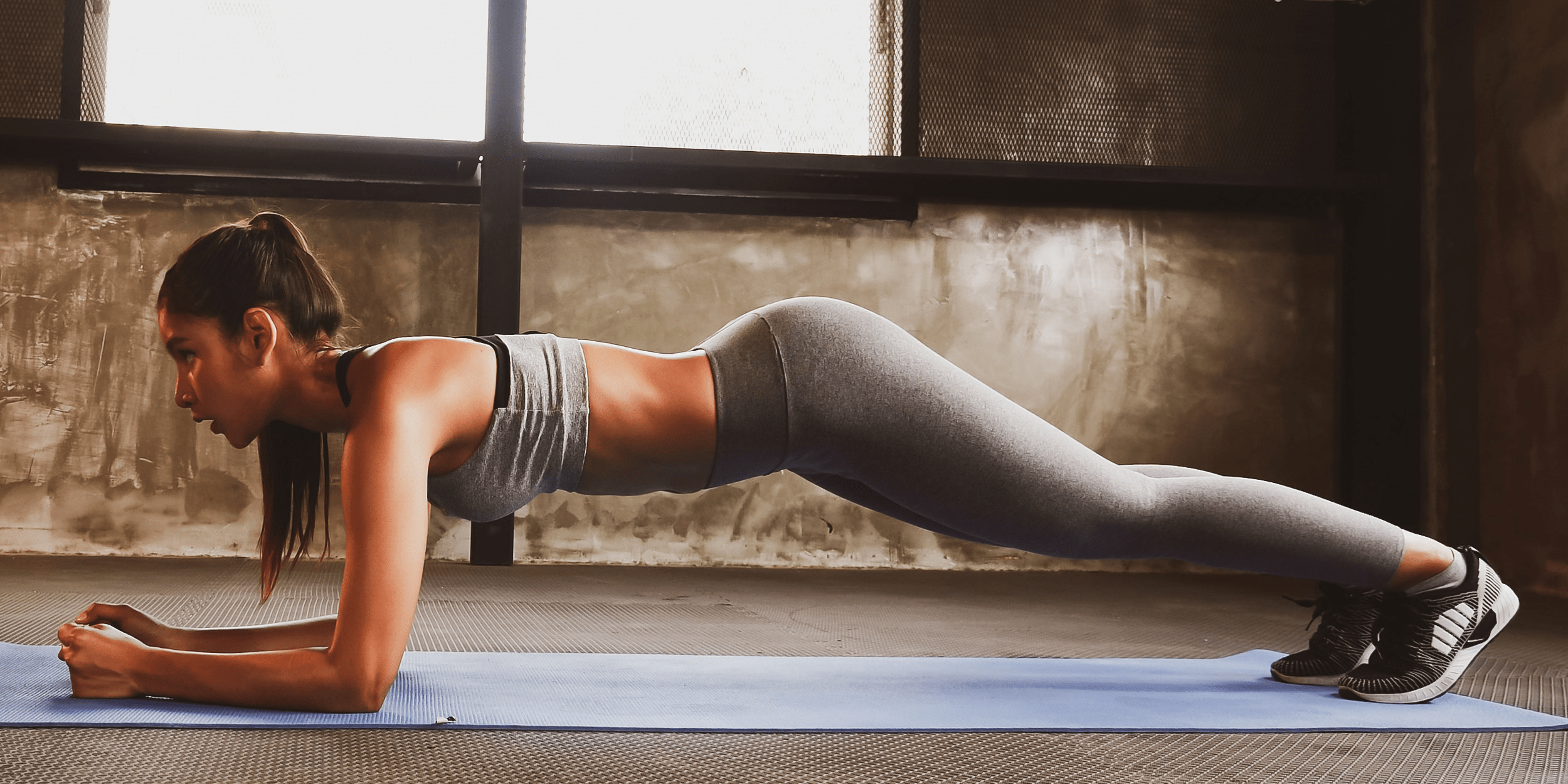
Front Plank
The front plank is one of the best exercises for targeting internal obliques. To maximize engagement, keep your core tight and tilt your pelvis backward.
Assume a forearm plank position with knees off the ground. Engage your core and tilt your pelvis backward as if pulling your pubic bone toward your navel.
Maintain this posture without losing abdominal tension. To intensify, draw your shoulder blades together.
Plank on Stability Ball with Hip Extensions
This exercise challenges your balance on an unstable surface while alternately lifting your legs to increase muscle activation.
Get into a forearm plank position with your feet on a fitness ball. Engage your core and glutes, ensuring your lower back doesn’t sag. Lift one leg at a time and return it to the ball.
“Stirring” on Stability Ball
This seemingly simple movement provides excellent activation of the external obliques due to the unstable surface.
Assume a forearm plank with your forearms resting on a fitness ball. Engage your core and tilt your pelvis backward.
Make small circular shoulder movements as if stirring a large pot. Keep your shoulders down, body straight, and lower back neutral.
Bulgarian Split Squat with Weights
While primarily targeting legs and glutes, the Bulgarian split squat also effectively engages obliques due to its unilateral nature and instability.

Stand with your back to a stable surface like a bench or chair. Place one foot on the surface behind you and perform squats on the other leg. If your heel lifts off the ground at the bottom, step slightly further from the surface.
Ensure your knee tracks outward to avoid joint strain by slightly rotating it outward during the upward phase.
Start without weights, and if confident, add dumbbells. Choose a weight allowing 15–20 reps with good form.
Kettlebell Swings
Kettlebell swings primarily target glutes and back extensors but also engage the internal obliques.
Select an appropriate kettlebell and place it between your feet. Hinge at the hips with a straight back, grasp the kettlebell with both hands, and swing it between your legs.
Explosively extend your hips, swinging the kettlebell up to shoulder height. Let it swing down naturally and repeat.
Maintain active hip extension and glute engagement to power the movement.
How Often and How Long Should You Train Your Obliques?
Perform dynamic exercises in 3–4 sets of 10–20 reps, adjusting based on your comfort. If you feel increasing muscle fatigue by the end of a set, the volume is appropriate.
For static exercises, hold for 30–60 seconds per set, completing 3–4 sets or until form deteriorates, such as your lower back sagging during a plank.
Since abdominal muscles are resilient and recover quickly, you can include at least one oblique-focused exercise in each workout.
Explore useful articles in Sports and Health as of 13-11-2024. The article titled " How and Why to Strengthen Your Oblique Abdominal Muscles " offers in-depth analysis and practical advice in the Sports and Health field. Each article is carefully crafted by experts to provide maximum value to readers.
The " How and Why to Strengthen Your Oblique Abdominal Muscles " article expands your knowledge in Sports and Health, keeps you informed about the latest developments, and helps you make well-informed decisions. Each article is based on unique content, ensuring originality and quality.