


How and Why to Strengthen Your Gluteus Medius Muscles
The gluteus medius muscles often get overlooked, but they play a vital role in stability and movement. Discover the 5 most effective exercises backed by research to strengthen these muscles.
We've compiled five of the most effective exercises based on scientific studies.
What Are the Gluteus Medius Muscles?
The gluteus medius muscles are flat, paired muscles attached to the iliac bone of the pelvis and the greater trochanter of the femur. They are partially covered by the larger gluteus maximus muscles on top.

When these muscles contract, they abduct the thigh (move it sideways) and stabilize the pelvis and lower back when standing on one leg—for example, during running or normal walking.

Why Strengthen Your Gluteus Medius Muscles?
There are two main reasons.
To Prevent Back Pain
Weak gluteus medius muscles reduce pelvic and trunk stability, causing excessive sideways bending in the lower back during walking and other movements. This can compress spinal discs and lead to back problems.
A meta-analysis of 24 scientific studies confirmed that patients with lower back pain generally have weaker gluteus medius muscles compared to those without such issues.
To Protect Your Knees and Hips from Pain and Injury
Weak gluteal muscles may cause improper leg alignment—knees turning inward and hips outward—leading to increased joint stress, inflammation, and potential injuries over time.
Top Exercises to Strengthen the Gluteus Medius
These muscles engage in nearly all lower-body exercises, especially those involving thigh abduction or single-leg balance.
However, a meta-analysis of research shows certain movements activate the gluteus medius more effectively. These exercises recruit more muscle fibers and require no special equipment.
Side Plank
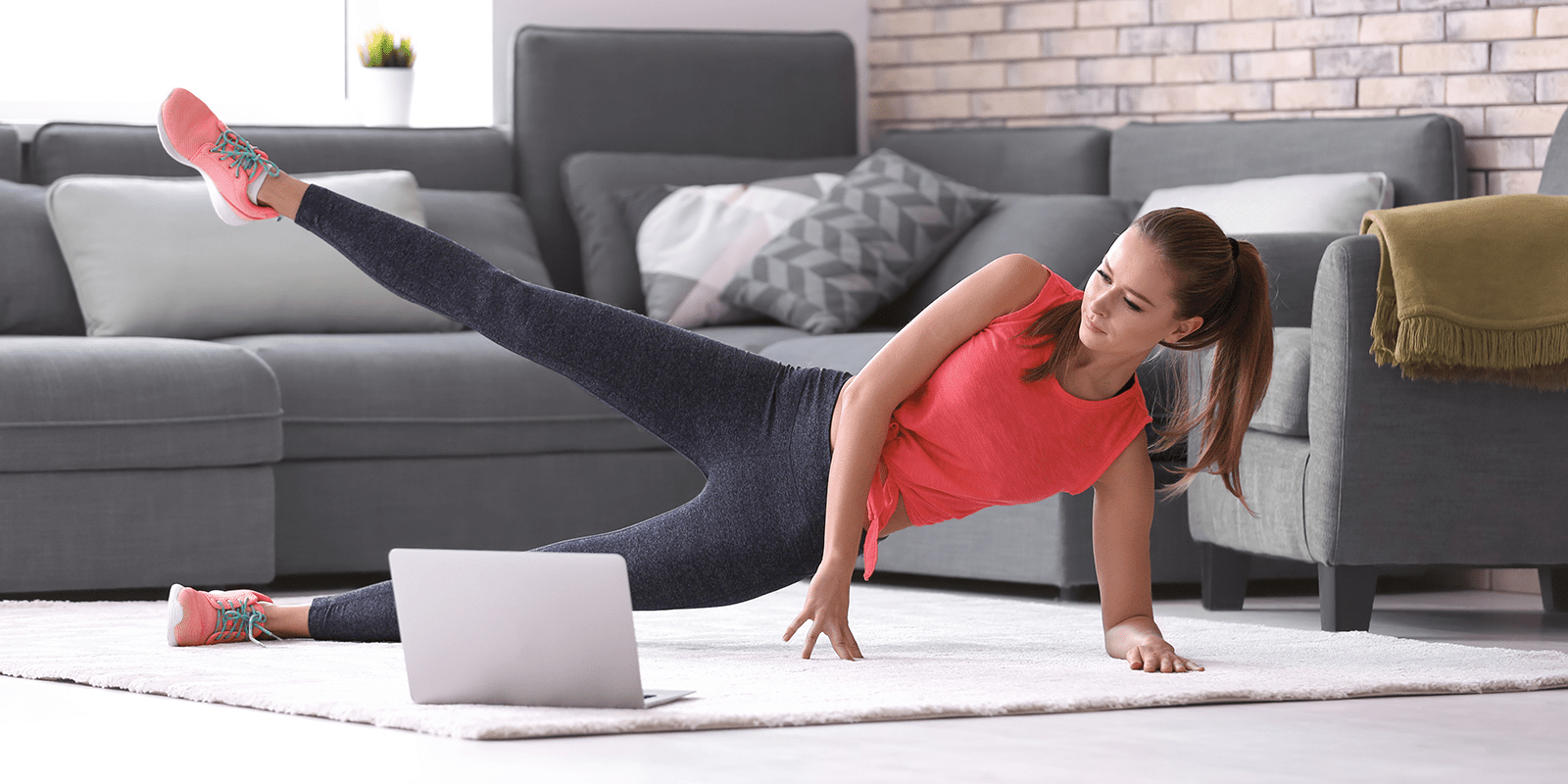
Lie on your right side with legs straight. Place your right forearm on the floor with fingers pointing forward and lift your hips off the ground, supporting your body weight on your forearm. Extend your left arm along your side or overhead.

Ensure your body forms a straight line from head to feet, with hips neither sagging nor pushed backward, and maintain a neutral lower back without arching.
Hold this position for 10 seconds, then rest and repeat twice more. Switch sides and repeat.
As you progress, increase hold time up to 30 seconds. When comfortable, try the advanced variation by lifting and lowering the top leg 10–15 times per side.
You can also simply lift the top leg and hold it for 30 seconds.
Single-Leg Squats
Stand with your back facing a chair and lift one leg straight ahead. Cross your arms in front of you.
Squat down on the supporting leg until your glutes lightly touch the chair, then stand back up. Perform the squat and rise over two seconds each: two seconds down, two seconds up.

Complete three sets of 10 repetitions for each leg.
For a more challenging version, stand on a stable elevated surface like a stair or step platform, with one foot parallel to the edge and the other leg hanging freely. Extend your arms forward, bend the supporting knee as deeply as possible while keeping the other leg straight, then return to standing. Perform 3 sets of 10 reps per leg.
Gradually increase your range of motion until your hips lower below the supporting knee.
Single-Leg Deadlift
Stand upright and lift one leg off the floor. Slightly bend the supporting leg at the knee and hip. Lean your torso forward until it is parallel to the floor, maintaining balance. Keep your back straight, avoid rounding or over-arching your lower back, and prevent hips from tilting sideways. Try to keep the hip joint stable without rotation during the movement.

Perform three sets of 10 repetitions per leg.
If training at a gym, use a barbell for added resistance. At home, dumbbells, water bottles, or sandbags can be effective substitutes.

Choose a weight that allows you to complete 8–12 reps with proper form.
Pelvic Drop on an Elevated Surface
Stand on a low, stable platform such as a step. Place one foot parallel to the edge and lift the other foot off the surface, keeping both knees straight.

Slowly lower one hip down to tilt the pelvis sideways as far as possible. Raise the hip back to level the pelvis and repeat.
Complete 3 sets of 10–12 repetitions per leg.
Side-Lying Hip Abduction
Lie on your side with your head supported by your arm and legs straight. Lift and lower the top leg.
Perform 3 sets of 10–15 repetitions on each side.
To increase difficulty, use a resistance band around your ankles. The higher the resistance, the more challenging the exercise.
How Often Should You Train?
Twice a week.
For your first workout, select 2–3 exercises. Rest for 1–2 minutes between sets and exercises.
During the next session, perform the remaining exercises from the list to evenly strengthen all parts of the gluteus medius muscles.
If time is limited, incorporate 1–2 exercises into your morning routine or as a warm-up before your main workout. Alternate exercises and gradually increase difficulty as described above.
*Note: Meta Platforms Inc. and its social networks Facebook and Instagram are restricted in certain regions.
Discover engaging topics and analytical content in Sports and Health as of 05-05-2024. The article titled " How and Why to Strengthen Your Gluteus Medius Muscles " provides new insights and practical guidance in the Sports and Health field. Each topic is meticulously analyzed to deliver actionable information to readers.
The topic " How and Why to Strengthen Your Gluteus Medius Muscles " helps you make smarter decisions within the Sports and Health category. All topics on our website are unique and offer valuable content for our audience.