


Freeze-Dried Sweets: Why They’re Trending Across UK Markets
A rising trend turns familiar candies into crunchy, airy bites using vacuum-puffing. Learn how they’re made, who’s joining in, and what it means for the sweets market.
When people first try freeze-dried sweets, they notice a surprising crunch that makes a familiar treat feel new. The trend has moved from small specialty shops to big brands and social feeds, drawing curious shoppers to try something different.
What are freeze-dried sweets?
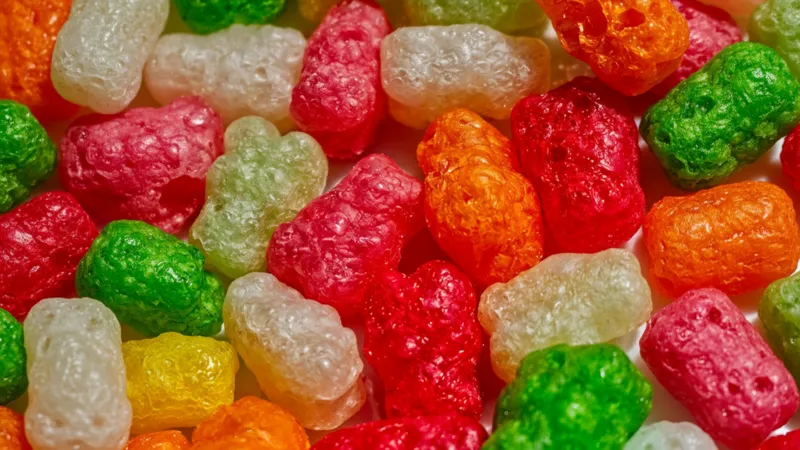
These treats are produced through a process called vacuum-puffing, not simply by freezing. The candy is cooled, then moisture is removed in a vacuum chamber, causing the pieces to puff up into a crisp, airy snack with a more intense flavour.
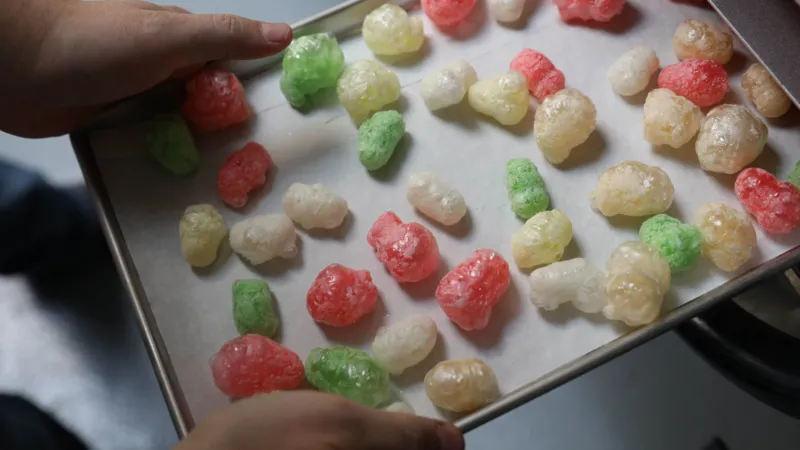
Although the term suggests freezing, experts describe the method as a controlled cold process that turns the candy into tiny foams. The result is a brittle bite with a vivid taste that lingers longer than the original chewy version.
How the market formed
The craze exploded after social media influencers showcased their favourite freeze-dried sweets, introducing a wide audience to the product. Younger shoppers—many under 45—drove demand by seeking items that felt new and share-worthy online.
Zachry Barlett, a partner at TheFreezeDriedCandyStore.com in Missouri, explains that many buyers are new to this format and are attracted by the viral buzz. He notes that the relatively affordable equipment now available enables smaller makers to enter the market and offer a range of flavours, from fruit rings to gummy snacks and even ice cream bites.
Big brands have taken notice. Companies such as Hershey, Mars, and Ferrara have launched their own freeze-dried lines, adding credibility and widening shelf space for this type of candy.
Forecasts from Market.us project the sector could reach around £2.4 billion by 2034, up from roughly £1.0 billion in 2024, signalling sustained growth across the industry.