



Can Methylene Blue Really Extend Life? What Science Finds
Discover whether methylene blue, a long-used medical dye, can slow aging. This piece explains the science, uses, and safety considerations for readers curious about longevity claims.
Across medicine and wellness culture, methylene blue has repeatedly surfaced as a potential anti-aging aid. This article soberly examines what the dye is, how it’s used in medicine, and what science says about longevity claims.
What is methylene blue
Methylene blue, also known as methylthioninium chloride, is an organic dye that appears blue. In general conversation it is often simply called blue dye. It was first synthesized in the 19th century and today finds uses in medicine, chemistry, and biology.
Common medical uses
In pharmacies you’ll find methylene blue as a 1% solution for topical and local use. It works as an antiseptic for burns, skin infections such as pyoderma, folliculitis, and certain urinary tract conditions.
It is also used to treat methemoglobinemia, a condition where the blood carries less oxygen than normal. In this disorder, intravenous injections of methylene blue help convert methemoglobin back to a form that releases oxygen more effectively to tissues.
Methylene blue is also used in diagnostics. During biopsies it can stain cancer cells, and doctors may use it to assess swallowing by visualizing how a bolus travels through the throat.
Why biohackers take methylene blue
Biohackers seek to apply biology and medicine to improve body performance and slow aging. Not all methods have solid evidence.
Interest in methylene blue surged after a 2015 study on cells from people with a premature aging syndrome. Researchers found that the dye reduced the buildup of defective proteins and supported mitochondrial activity in cell models, suggesting a possible anti-aging effect related to oxidative stress.
The results are promising but limited: the work was conducted in cells and in animals, not in humans, so no firm conclusions can be drawn about life extension.
Nevertheless some public figures have shared blue tongues or blogged about perceived benefits.
- Protections of mitochondria from oxidative damage
- Lowering reactive oxygen species and potential slowing of brain aging
- Possible cognitive benefits
Does methylene blue really promote longevity?
One aging theory ties the process to mitochondrial dysfunction. Mitochondria generate energy but produce reactive oxygen species (ROS) that can damage cells. Ongoing oxidative stress may contribute to aging over time.
Lab studies show methylene blue has antioxidant and anti-inflammatory effects and can shield mitochondria from oxidative stress. But these findings come from cell culture and animal studies; there is no confirmed benefit in people yet.
Aging is a multifactorial process, and current research only addresses mitochondrial aspects. There is no verified method to slow aging across all factors by using methylene blue alone.
Is it safe to ingest methylene blue?
Topical use for wounds can trigger allergic reactions in some people.
The U.S. Food and Drug Administration has approved methylene blue as an injectable treatment for methemoglobinemia. In rare cases it is used orally in children under strict medical supervision. Only a physician should decide on this use.
Intravenous methylene blue can cause side effects such as headaches, electrolyte imbalances (low potassium, low magnesium), muscle twitches, diarrhea, nausea, and seizures.
It may interact with antidepressants and trigger serotonin syndrome, a serious condition with symptoms like confusion, rapid heartbeat, and seizures.
Using methylene blue to test swallowing can also carry risks such as low blood pressure or red blood cell breakdown; procedures are performed under medical supervision.
Less obvious effects include blue-green staining of mucous membranes and tissues, noted in some cases where the dye was used to manage severe hypotension.
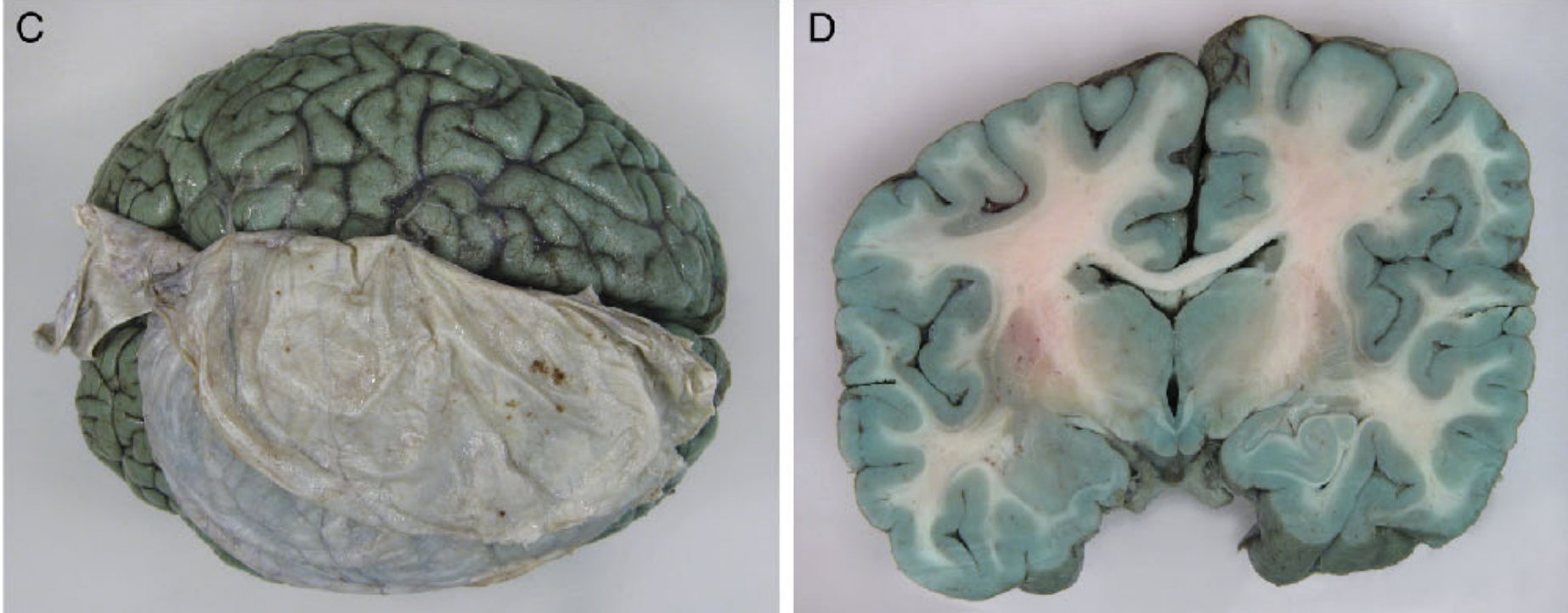
See what the brain looks like after methylene blue
Expert comment
Expert opinion: A leading medical researcher notes that translating cell and animal results into human therapy is challenging. Robust clinical trials are needed to evaluate safety and any true anti-aging effect.
Short summary
In short, methylene blue shows mitochondria-protective properties in early lab studies, but human evidence is lacking. It should not be used as an anti-aging remedy without medical supervision. Potential side effects and drug interactions require caution. Current science does not confirm longevity benefits in people.
While methylene blue can protect mitochondria in cells and animals, there is no proven benefit for extending human life; aging is complex and requires more evidence.