

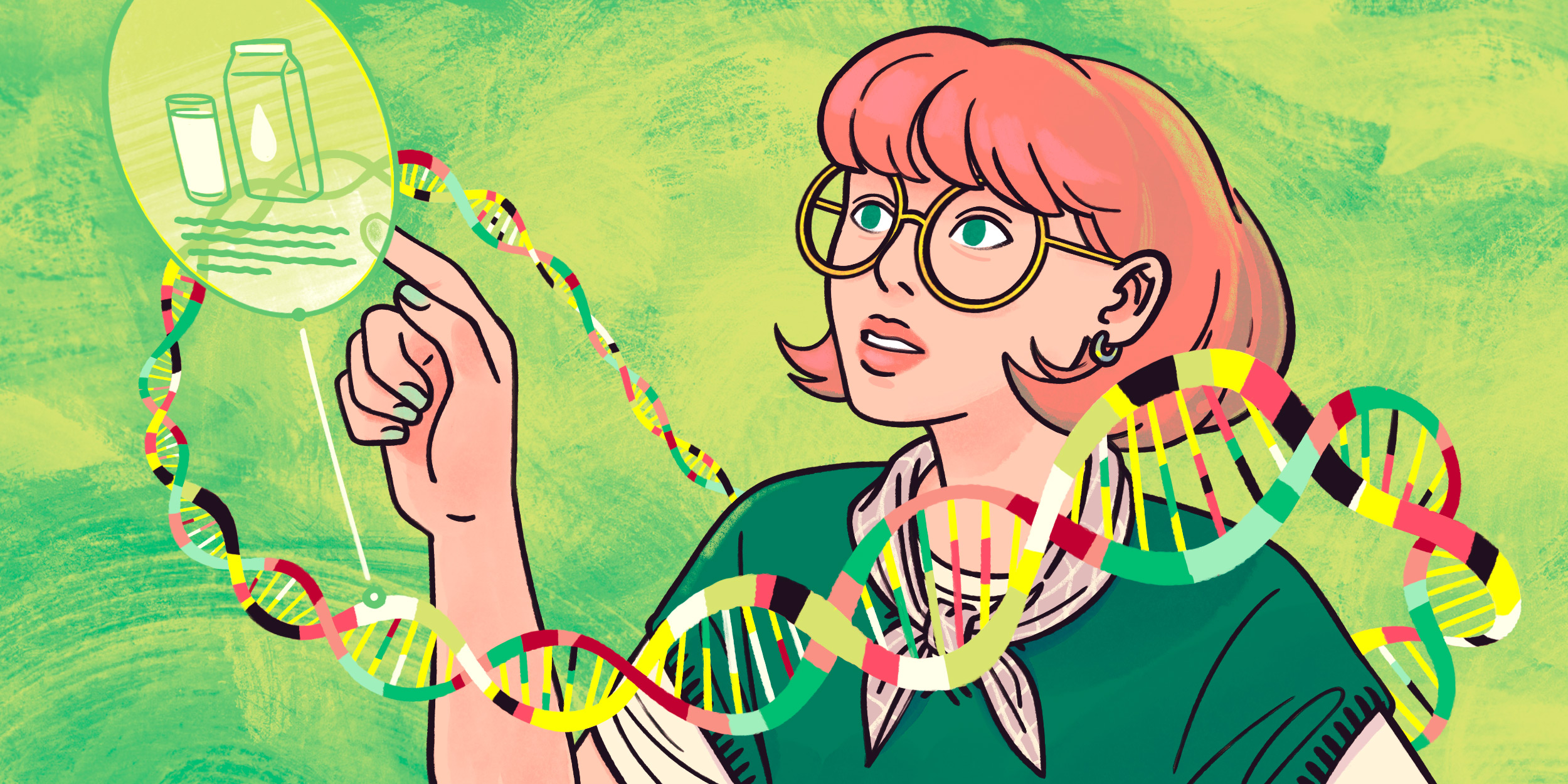

What Genetic Tests Reveal: Trust, Risk, and Reality for English Readers
Discover what commercial genetic tests can genuinely reveal about health risks, ancestry, and drug response, and learn how to separate marketing hype from real, actionable insights.
Commercial genetic tests are widely available, but the hype often blends marketing with real science. This guide explains what you can trust, what needs caution, and how to use these results in family planning, health, and daily life.
What genetic tests can reveal
Identifying harmful mutations
The most reliable information from consumer tests is discovering carrier status for inherited conditions. Everyone has two copies of each gene; if one copy is faulty but the other works, you typically stay healthy but can pass the disease to your children. If both partners carry the same faulty variant, there is a 25% chance that a child will be affected.

In families with a history of inherited conditions, seek a genetic counselor to assess risk for future children. If both partners are carriers, options such as IVF with preimplantation genetic testing can reduce the likelihood of an affected child.
Risk of non-genetic diseases
Many genetic variants are linked to higher chances of diseases like certain cancers, diabetes, or heart disease. Interpreting absolute risk is tricky and requires careful ethical considerations. A higher relative risk sounds alarming, but if the baseline likelihood is very small, the actual chance may still be modest.
In some cases, knowledge can guide preventive steps such as regular screening or lifestyle changes. The Angelina Jolie example illustrates how knowledge can lead to preventive action and lower risk of cancer.
For other conditions, such as some heart diseases, general health guidelines—maintaining a healthy weight and staying active—are helpful for most people.
There are diseases we cannot yet prevent or predict with accuracy, such as certain adult-onset illnesses with grim outcomes. Learning about these risks can be burdensome and may not improve quality of life for everyone.
Pharmacogenetics and treatment choices
Pharmacogenetics studies how your genes affect drug metabolism. Genetic differences can influence how well a medication works or what side effects you may experience, so dosing or even drug choice may differ from person to person.
Today, pharmacogenetics informs treatment for a limited set of conditions—such as some cancers, HIV, depression, and certain heart diseases—offering safer, more effective care and potentially lowering health costs over time.
Finding relatives
Genetic tests can help locate relatives who used the same company or data-sharing network. However, you can only reliably match with people in the same database, so broad family connections depend on data access from others.
Finding a future spouse by DNA alone is not possible in real life.
Ancestry and origin
Many videos promise surprising ancestry percentages. These estimates depend on reference populations and algorithms used by the company and can vary across providers. Even siblings may receive different ancestry results because they inherit different gene copies from parents.
Think of ancestry results as entertainment rather than a precise map of your family tree.
Diet and nutrition claims
Some labs promise personalized diets based on DNA. Genetics influence metabolism, but you don't need a test to learn if you digest lactose or gluten; symptoms are often enough. A genetic test may confirm, but rarely reveals new information. It may also infer how alcohol is processed; however, your actual risk of alcohol-related problems is determined by multiple factors beyond genetics.
In general, the idea of a tailored diet from a genetic test is marketing rather than science.
Some variants may hint at vitamin deficiencies or caffeine metabolism, but strong evidence for these effects is limited.
Sports talents
Tests that claim to predict athletic talent attract many parents hoping for a shortcut to Olympic glory. While certain genes are more common among elite athletes, many champions achieve greatness without them. No national team uses genetic test results to select players; selection is based on actual performance and training. Focus on your child's interests and real abilities.
Neanderthal ancestry
Some companies offer a Neanderthal ancestry percentage. This information is mostly curiosity; most people outside Africa have about 2% Neanderthal DNA. It may influence some metabolic traits, but it does not provide a reliable health guide yet.
Do you need to take a genetic test?
Commercial tests can be helpful for planning a family and gaining insight into certain hereditary risks, but they are not perfect. False positives happen, and you should discuss any concerning results with a medical geneticist to confirm findings and plan next steps.
Summary
Genetic testing can offer useful information in specific contexts, especially for family planning and risk assessment. However, much of the consumer test marketing overstates certainty. Use results as a starting point and seek professional guidance for medical or lifestyle decisions. Always consider genetic results alongside medical advice and personal circumstances.
Key insight: Genetic information can guide decisions but does not replace professional medical advice. Always verify results with a qualified clinician.