

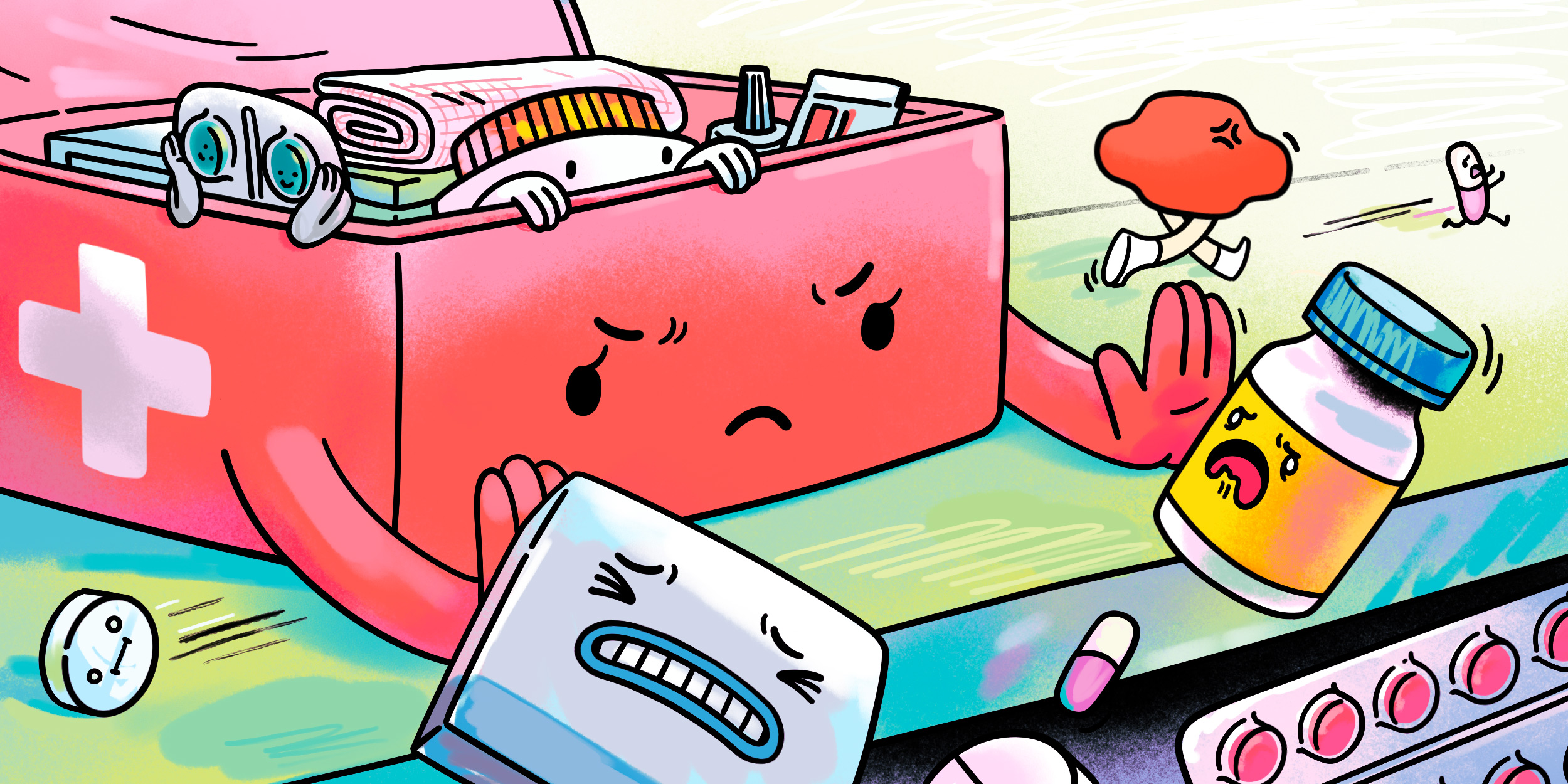

Five Medicines You Should Throw Out of Your First Aid Kit
Five common medicines with weak or uncertain evidence may waste money or delay recovery. Learn safer, proven alternatives and practical tips for smarter health decisions.
In an ideal world, medicines would be backed by rigorous evidence before they reach the shelf. In reality, some products enter the market with limited proof, risking wasted money or delayed recovery. This article reviews five common medications you can safely skip, with clear explanations and practical, evidence-based alternatives.
Probiotics
Probiotics are live bacteria or yeast sold to support gut health. The idea of balancing gut bacteria is often discussed as dysbiosis, but this is not a formally recognized disease in major international classifications. Some doctors still suggest probiotics with antibiotics to protect the gut microbiome, but robust benefits for most conditions remain uncertain.
Why you might skip them
The human gut hosts roughly 100 trillion microbes working to digest food, defend against invaders, and regulate immunity. For many healthy people, probiotics do not provide proven advantages beyond ordinary dietary sources. If you want a cheaper option, ordinary yogurt and other fermented foods supply similar friendly bacteria.
Antiviral medicines for flu and colds
Some products claim to treat influenza, other viral illnesses, or the common cold by boosting immunity or shortening illness. However, major international guidelines do not endorse these antivirals or immunomodulators as standard care for these infections. Evidence is mixed, and many trials do not meet high research standards.
Why not to buy
Colds are caused by rhinoviruses with hundreds of strains, making a universal cure unlikely. Most respiratory infections improve on their own within about a week, regardless of treatment. When studies exist, results are variable and not always applicable to diverse patients or stages of illness.
Homeopathy
Homeopathic remedies use extremely diluted substances and often contain little or no active material. Some formulations are marketed for viral illnesses or menstrual symptoms, but high-quality reviews find no consistent advantage over placebo. Fillers like sugar and lactose are common in these products.
Why not to buy
Systematic reviews show any perceived benefit is no better than a sugar pill. The proposed mechanisms are not supported by standard medical guidelines, and dosing information is frequently unclear.
Nasal antibiotics
Topical sprays containing framycetin (an aminoglycoside) are sometimes used for suspected bacterial infections of the nose or after nasal surgery. Most nasal congestion and runny noses during colds are viral, and antibiotics do not help in those cases. Overuse can cause side effects and contribute to antibiotic resistance.
Why not to buy
Diagnosing a bacterial nasal infection typically requires a clinician. Using antibiotics without a confirmed need can promote resistance and expose you to unnecessary risks. For nasal symptoms, saline rinses are a safer first option, and systemic antibiotics are reserved for confirmed bacterial infections.
Over-the-counter anti-anxiety medications
Some drugs developed in certain regions are marketed for anxiety and related symptoms. However, many lack robust, international evidence, and some trials do not meet modern research standards. Safety and quality can vary by country, and approvals do not always align with global guidelines.
Why not to buy
These products are not consistently supported by major medical guidelines due to insufficient evidence. If you’re experiencing anxiety, consult a clinician to explore evidence-based options such as psychotherapy, lifestyle changes, and approved medications with solid safety data.
Expert opinion
Dr. Alex Carter, Medical Pharmacist: Medicine decisions must be guided by solid evidence and patient safety. Skipping unproven products helps prevent wasted money and delays in proper care.
Summary
Many over-the-counter and prescription products lack robust evidence, especially for conditions like dysbiosis, viral infections, and anxiety. Prioritizing evidence-based treatments saves time, money, and health. When in doubt, talk with a healthcare professional before trying new medicines.
Key insight: Rely on treatments backed by solid evidence and professional guidance to avoid wasted money and delays in proper care.