


US Vaccine Panel Votes to End Universal Hep B Birth Dose for Newborns
A U.S. advisory panel votes to make hepatitis B vaccination at birth optional, prompting a White House review of child-immunization rules and sparking safety debates.
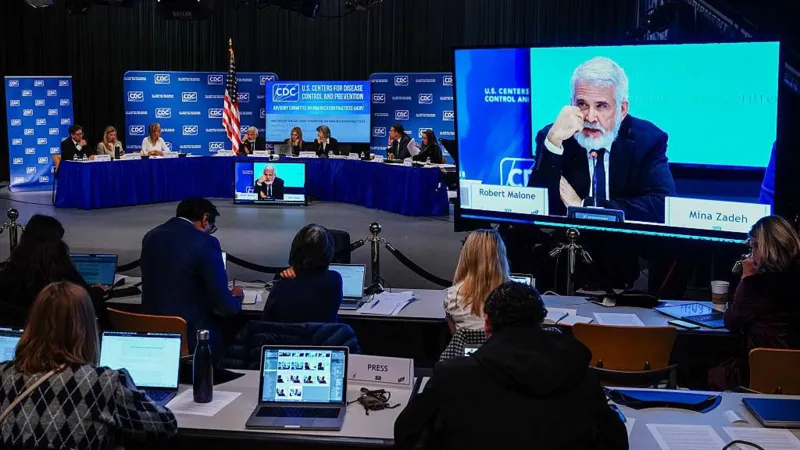
The U.S. advisory panel voted to shift from universal hepatitis B vaccination at birth to an approach that emphasizes individual risk decisions. The move would keep the birth dose for babies with hepatitis B-positive mothers but allow tailored choices for others.
Background and vote
The Advisory Committee on Immunization Practices (ACIP) approved the change by an 8-3 vote, signaling a move toward individual-based decision-making for newborns born to mothers who test negative for HBV. The result would loosen the blanket birth-dose policy that has been in place since 1991.
Public health experts note the birth-dose policy has prevented thousands of hepatitis B deaths since its introduction. In June, Health Secretary Robert F. Kennedy Jr. replaced ACIP members with voices more skeptical of vaccines, setting the stage for this debate.
Global context and guidelines
The World Health Organization recommends a vaccination series starting with a birth dose, followed by two more doses at later ages. In practice, many high-income countries schedule vaccines differently, with varying timing and requirements.
Political developments and concerns
Shortly after the vote, President Donald Trump ordered health officials to review childhood vaccination recommendations and compare them with practices in other developed nations. He praised the ACIP decision on social media, while some experts warned that delaying the birth dose could increase hepatitis B infections if testing is unavailable or inaccurate.
Insurers are not expected to change coverage of the hepatitis B vaccine due to the vote, and the panel reaffirmed that babies born to hepatitis B-positive mothers should receive the birth dose at birth.
Expert input
Expert viewpoint: Dr. Cody Meissner noted the hepatitis B vaccine's solid safety record and effectiveness and cautioned that moving away from universal birth vaccination could lead to more infections among children and adolescents.
Implications for families
Health professionals emphasize informed discussions between families and doctors, especially when pregnancy testing and access to care vary. The goal remains to protect newborns while balancing practical considerations in the healthcare system.
Conclusion
The decision underscores a national debate between universal protection and personalized medical choices, a discussion that could shape U.S. vaccination policy in the years ahead.
Summary: The panel favors risk-based vaccination, but many clinicians warn that delaying the birth dose may raise hepatitis B infections if screening is imperfect. The ongoing policy debate will test how best to protect public health while respecting individual needs. Officials say implementation could take time as agencies review data and international practices.
Key insight: The move signals a shift toward risk-based vaccination, highlighting the ongoing tension between universal protection and personalized care. Source: BBC News