
Japan's Dementia Crisis: Can Tech Ease the Care Burden?
Japan’s aging population drives rising dementia costs and care strain; cutting-edge tech—from GPS trackers to helper robots—offers support for families and care facilities.
Japan is aging rapidly, and dementia poses a growing challenge for families, communities, and public services. As cases rise and the care workforce shrinks, researchers are racing to offer practical tech solutions that keep people engaged and safe.
Aging society and rising costs
Last year, more than 18,000 older adults living with dementia wandered from home, with nearly 500 later found deceased, according to police. The problem has roughly doubled since 2012, underscoring the strain on the world’s oldest continuous society.
A shrinking workforce and strict limits on foreign care workers add to the burden, prompting policymakers to seek technology-led relief. The Health Ministry estimates dementia-related health and social care costs could reach about 14 trillion yen by 2030, roughly $90 billion or £67 billion, up from around 9 trillion yen in 2025.
Tech-driven care and safety
Across the country, GPS-based systems help track people who wander. In some regions, wearable tags alert authorities the moment a person leaves a defined area. In several towns, convenience-store staff receive real-time alerts, creating a community safety net that can locate a missing person within hours.
Robot helpers and AI in care
Researchers are also pursuing tools for early detection. Fujitsu’s aiGait analyzes posture and walking patterns to spot early signs of dementia, such as shuffling steps, slower turns, or difficulty standing, producing skeletal outlines clinicians can review during routine check-ups. "Early detection of age-related diseases is key," says Fujitsu spokesperson Hidenori Fujiwara. "When doctors can use motion data, they can intervene earlier and help people stay active longer."
Waseda University researchers are developing AIREC, a 330-pound humanoid robot designed to serve as a future caregiver. It can assist with tasks like putting on socks, scrambling eggs, and folding laundry, with the goal of expanding to tasks such as diaper changes and skin-care precautions in the future.
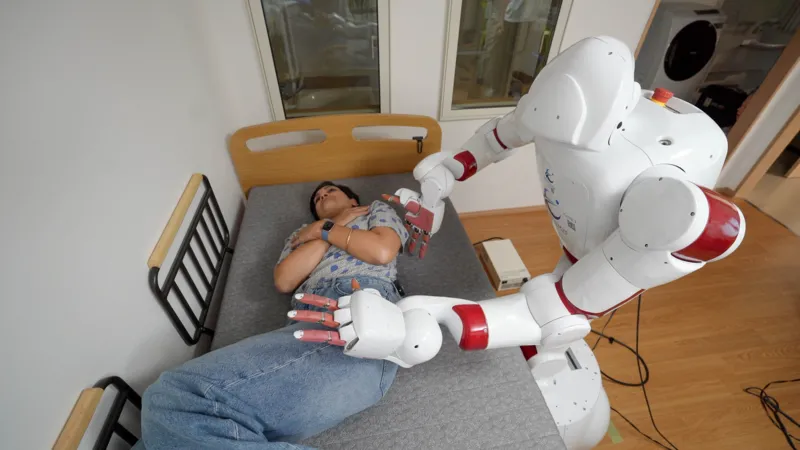
In care homes, similar robots are already used to play music for residents, guide simple stretching exercises, and monitor patients at night by lying under mattresses to track sleep. These measures can reduce the need for constant rounds by human staff.
Experts caution that achieving the necessary precision and intelligence will take at least five years before humanoid robots can safely interact with people. Full-body sensing and adaptive understanding are essential to tailor care for each person and situation, notes Tamon Miyake of Waseda University.
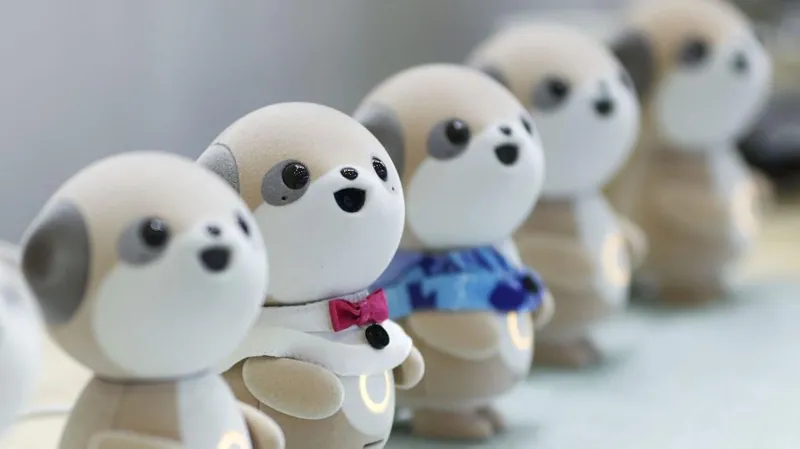
Emotional support is also part of the effort. Poketomo, a tiny, 12-centimeter robot, can be carried in a bag or pocket to remind people to take medications, provide real-time weather tips, and offer companionship for those living alone. "We’re addressing social challenges and using new technology to help solve them," says Sharp’s Miho Kagei, development manager at INLIBER.
While devices and robots offer new avenues of support, human connection remains irreplaceable. "Robots should supplement, not substitute, human caregivers," says Tamon Miyake, stressing that technology’s role is to assist both caregivers and patients.
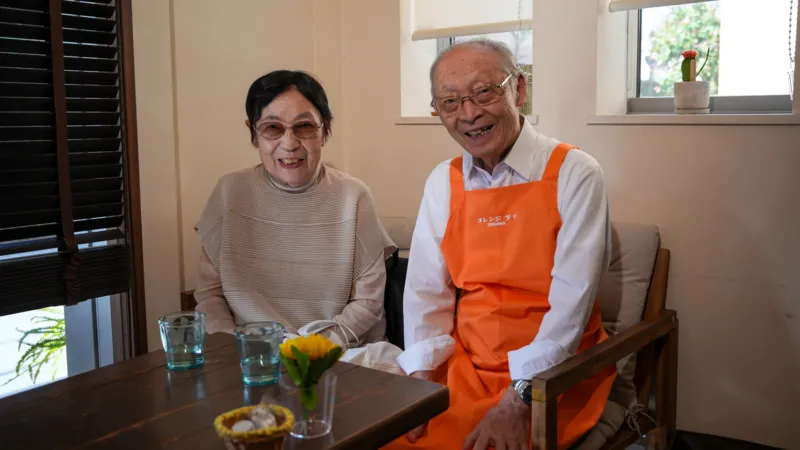
In Sengawa, Tokyo, the Restaurant of Mistaken Orders, founded by Akiko Kanna, welcomes guests living with dementia to stay engaged and feel valued. Waiter Toshio Morita uses flowers to remember which table placed each order. Despite his cognitive challenges, he enjoys the interaction, and his wife benefits from the respite the cafe provides.
Kanna’s cafe demonstrates why social interventions and community support stay essential. Technology can provide tools, but meaningful engagement and human contact are the core of care, according to Miyake.
"Honestly, I wanted a little extra money, and I enjoy meeting all kinds of people—the variety is what makes it fun," Morita says.