


"Iriska Has Grown Up and Left": The Life Story of Irina Asmus, the First Soviet Female Clown Who Tragically Died in the Circus Arena
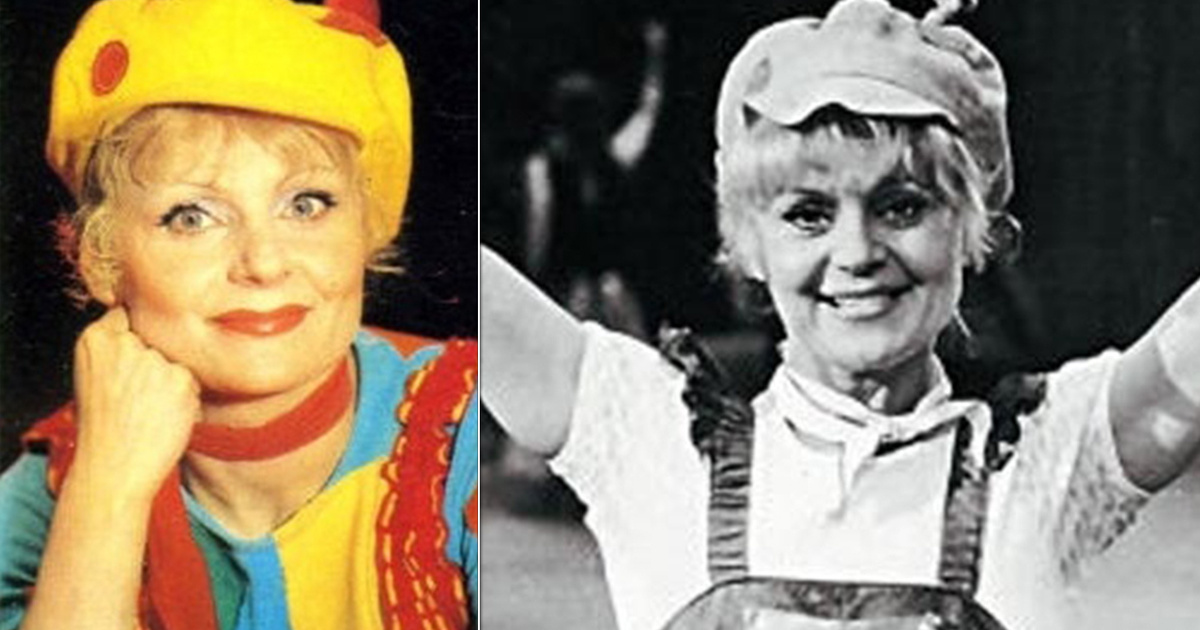
Irina Asmus, famously known as Iriska, was the first Soviet female clown adored by both children and adults. She brought joy and laughter to many, despite facing personal hardships. This article explores her inspiring life and untimely death.
Irina Asmus, better known by her stage name Iriska, was the pioneering Soviet female clown cherished by audiences of all ages. She spread happiness to countless people, even though her own life was far from easy.
"Just because everyone calls me Iriska,
Doesn't mean I dream of a sweet life.
My dream is to step into the ring as a performer
And gift people the joy of living!.."
Who didn't know Iriska? Everyone did! Children of the 1970s rushed excitedly to their TV screens to watch "ABVGDeika," a beloved educational show featuring their favorite clowns. Cheerful, witty, kind-hearted Irina Asmus instantly became a role model for young Soviet citizens. The circus where she performed was packed to capacity at every show; thousands of children and their parents eagerly awaited the unique solo acts of the very first Soviet female clown.
She was loved, adored, and unquestionably obeyed.
One morning during a tour, Irina looked out of her hotel room window and saw a crowd of schoolchildren waiting for her. "Off to school now! After classes, I'll be checking everyone's diaries!" she shouted. The children obeyed, and hours later, the same group lined up with their diaries in hand.
In 1985, young viewers of "ABVGDeika" were told that Iriska had grown up. Just months later, the famed clown tragically died in a circus accident, falling from a height of 12 meters.
A Star is Born
Irina Pavlovna Asmus was born on April 28, 1941, in Leningrad. Growing up during the harsh wartime and post-war years, her parents did their best to provide for her. From a young age, Irina dreamed of becoming a performer. However, frequent family relocations meant she often had to change extracurricular activities, sometimes settling for less.
It's true that a talented person is talented in everything. Young Irina showed exceptional abilities as a dramatic actress, pop singer, and circus artist.
When it was time to choose her future path, Asmus had many options. She decided to apply to the Bolshoi Theatre's choreography school and was accepted despite fierce competition. However, she was warned that her short stature would prevent her from becoming a prima ballerina or achieving great fame.
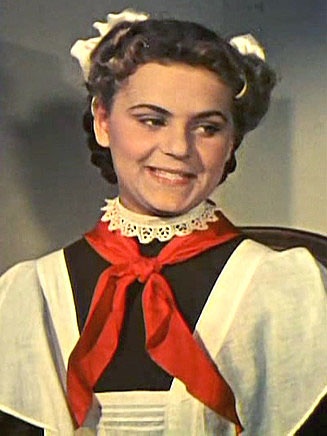
Consequently, Irina chose to enroll at the State Circus and Variety Arts School. At the entrance exams, the spirited girl performed a lively Neapolitan dance with a large bow and sang the popular song "Besame Mucho." The admission committee was stunned but could not resist her charm.
Hello Circus, Goodbye...
During her studies, Asmus mastered many disciplines: acrobatics, tightrope walking, motorcycle stunts, and equilibristics—the art of balancing in challenging and unstable positions. Ultimately, she chose the latter.
After graduating in 1960, 19-year-old Irina began performing with Leonid Kostyuk, a future renowned equilibrist and circus director on Vernadsky Avenue.
The young duo rehearsed acts on poles ranging from two to ten meters long. The "upper" equilibrist climbs the pole held by the partner and performs tricks on a tiny platform near the dome. Irina was the "upper" performer.
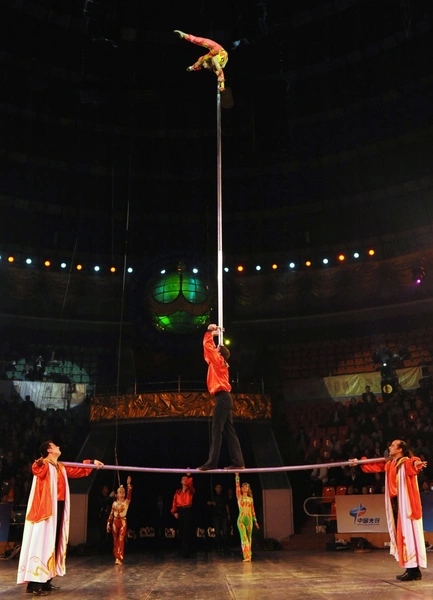
Unfortunately, during one rehearsal, Irina fell from a height and suffered a severe head injury. Doctors permanently forbade her from continuing equilibristics, and she had to comply. It seemed like fate was warning her of danger...
Rejecting high-altitude work, Irina saw no future as a circus performer.
She turned back to her passion for theater and enrolled in the drama studio at the Leningrad Youth Theatre (TYuZ), joining directly in the second year.
There, she met her first husband, actor Alexander Khochinsky. In a whirlwind romance, they married just two months after meeting but soon separated.
One version suggests the young couple, both ambitious artists, couldn't handle everyday challenges. Another claims Irina didn't wait for Alexander's return from the army and had a romance that ended their marriage.
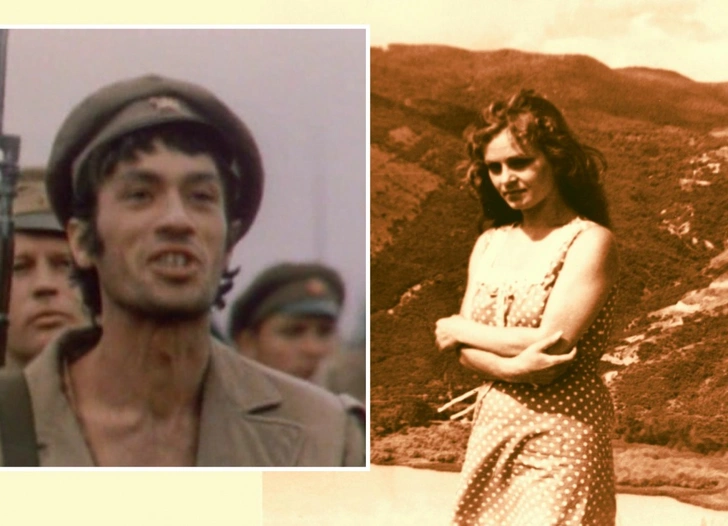
Rumors also mention a mysterious second husband, unknown to anyone, including her third spouse Mikhail Sychev. This man reportedly worked as a circus inspector and allegedly choreographed her fatal act "Old Lady on a Lampshade."
Breaking Boundaries
At TYuZ, Irina was cast as a travesti actress, playing children’s roles. Feeling confined by repetitive parts that didn’t showcase her talent, she soon grew tired of portraying mischievous boys and model students.
Fortunately, the Komissarzhevskaya Theatre took interest in her. There, directors finally recognized her potential.
In her first performance, Boris Laskin's play "Time to Love," Irina demonstrated her skills as a dramatic actress, singer, and dancer.
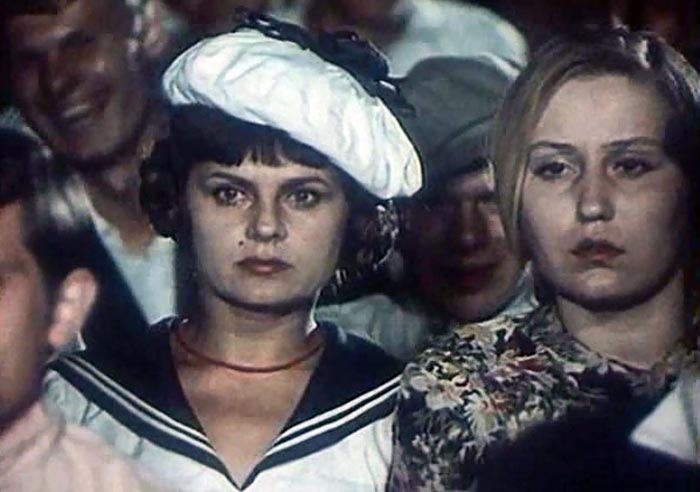
Success followed quickly: she landed leading roles as Juliet, Cinderella, Elizabeth in "The Prince and the Pauper," and Raymonda in "Romance for Adults." Irina became a true star, featured in all Leningrad newspapers and invited to act in films.
Love and Family
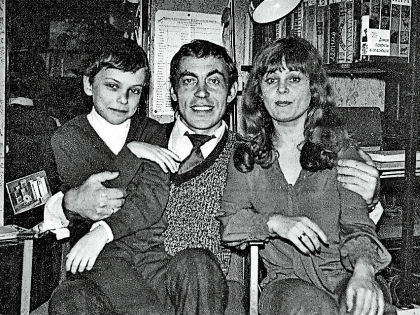
At 27, Irina married for the third time to actor Mikhail Sychev. "We met in 1967 when I worked in Kishinev, and she arrived on tour. One day, after drinking too much wine, I tried to call work to ask off but dialed the wrong number — it was Irina," Mikhail recalled in an interview.
Their telephone romance lasted about a month.
When they finally met, they instantly realized they were soulmates and never parted.
The couple raised a son, Andrey. It was only in a 2015 interview that it became known Irina's only child was from her second husband, whom she never publicly mentioned. Mikhail loved Andrey as his own, giving him his surname and patronymic. He later partly blamed himself for Irina’s death.
Iriska!
Despite her busy theater and film career, Irina felt a strong pull back to the circus. It is said that once you cross the circus ring’s barrier, there’s no turning back.
Irina found a solution: during school holidays, she took leave from the theater to perform in the circus, playing characters like the pioneer Volka ibn Alesha from "Old Man Khottabych," boastful Neznaika, or the old lady Shapoklyak.
During one rehearsal, her friend and playwright Alexander Volodin spotted her and exclaimed, "Iriska! What are you doing here?" The nickname stuck and became her stage name. Ultimately, she remained in the circus world, unable to leave its vibrant magic.
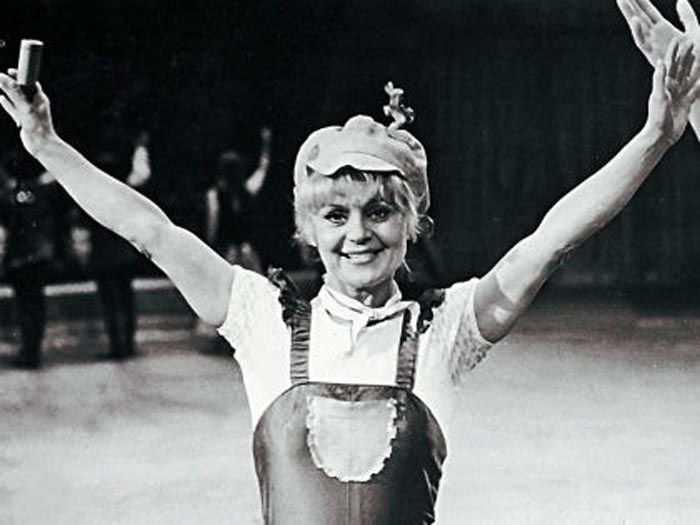
When deciding her repertoire, famous tightrope walker Vladimir Volzhansky suggested Irina try clowning—a field dominated by men in the USSR at the time. Irina embraced the challenge, drawn to difficult and seemingly impossible tasks.
Understanding what a female clown should say and do was tough. Traditional pranks and jabs no longer amused the audience.
Sergey Dityatev rose to the challenge by writing and directing Irina’s program. Thus, Irina became the first Soviet female clown, adored from the very first moment. Her acts were not only humorous but also touching, life-affirming, and sometimes socially relevant.
"ABVGDeika"
At 37, Irina achieved nationwide fame. In the 1970s, the educational children’s TV show "ABVGDeika" premiered, starring clowns Iriska and Klepa. Filming often coincided with circus tours, and Irina sometimes flew to Moscow straight from the circus, still wearing makeup.
"ABVGDeika" aired Saturday mornings, and children loved it so much that parents didn’t need to wake them up. With Iriska, kids learned the alphabet, numbers, seasons, and much more through playful lessons.
During that time, the show received a record-breaking two million letters addressed to Iriska Pavlovna.
Hundreds of thousands of families attended circus performances just to see her live. Countless girls promised to become clowns "just like Iriska."
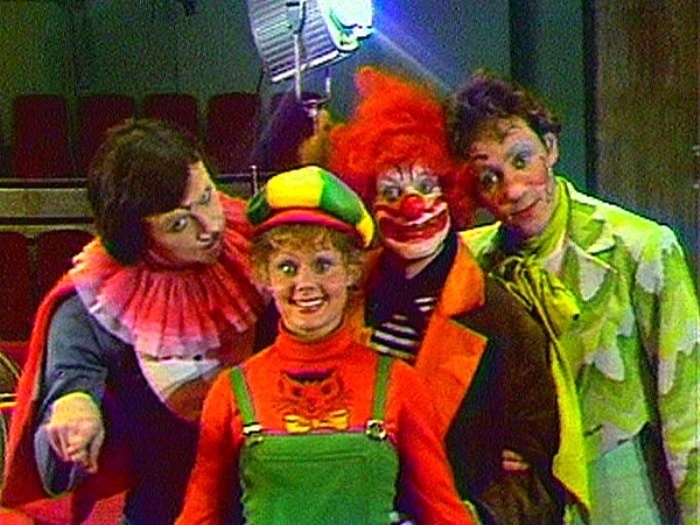
On screen and in the ring, she was lively, smiling, and full of joy, radiating positivity. Colleagues and fans saw her as successful and happy, but few knew she was struggling privately.
In 1985, "ABVGDeika" viewers were told Iriska "had grown up, learned, and left."
The 44-year-old was replaced by a much younger woman under circumstances still unclear.
After disappearing from TV, Irina continued theater work. In April 1986, she planned to retire (circus performers retire at 45) to focus on her son.
It turned out her 19-year-old son was battling drug addiction.
"Irina couldn't believe Andrey was using drugs. It started in 1982 when I found empty cigarette tubes at home. He was smoking something other than tobacco, then switched to pills. Andrey ran away, lived with acquaintances, and avoided me. Once, his addicted friends robbed our apartment, stealing equipment, money, and valuables," Mikhail Sychev later recalled.
Irina either ignored the problem or preferred not to discuss it.
She deeply loved her son and believed she could help him overcome addiction. "She planned to focus on him after retiring, which is why she revived the dangerous stunt that had been in her repertoire since her first circus performance," her widower shared with sorrow.
The Fatal Act
"Old Lady on a Lampshade" was an extremely dangerous stunt. Circus artists performing such acts received higher pensions. Irina knew treatment for her son would be costly and aimed to secure a decent financial allowance.
In March 1986, Asmus was among the first to agree to tour the Belarusian city of Gomel, close to where her son was serving in the army.
Days before the show, she visited her son. "She was deeply distressed. When we said goodbye, she was crying like never before," Andrey recalled.
On March 15, the Gomel circus was packed with 1,500 spectators eager to see the famous Iriska.
Irina appeared in the arena, ascending under the dome on a neck loop attached to a special device. Once at the top, she slipped her leg through the loop, unfastened her safety harness as it hindered her moves, began spinning—and suddenly plummeted 12 meters to the ground.
She was immediately carried off the ring. The audience was stunned but the show went on. Emergency responders could only confirm her instantaneous death from multiple fractures and internal bleeding.
"I opposed Irina performing 'Old Lady on a Lampshade.' At 44, such heights are risky. I deeply regret not being firm enough in raising our son and steering him away from addiction. Irina took on this deadly act to fund his treatment. Had he not fallen into drugs, she might have retired later and possibly still be alive today," her grieving widower lamented.
Discover the latest news and current events in Real Life as of 12-05-2024. The article titled " "Iriska Has Grown Up and Left": The Life Story of Irina Asmus, the First Soviet Female Clown Who Tragically Died in the Circus Arena " provides you with the most relevant and reliable information in the Real Life field. Each news piece is thoroughly analyzed to deliver valuable insights to our readers.
The information in " "Iriska Has Grown Up and Left": The Life Story of Irina Asmus, the First Soviet Female Clown Who Tragically Died in the Circus Arena " helps you make better-informed decisions within the Real Life category. Our news articles are continuously updated and adhere to journalistic standards.