

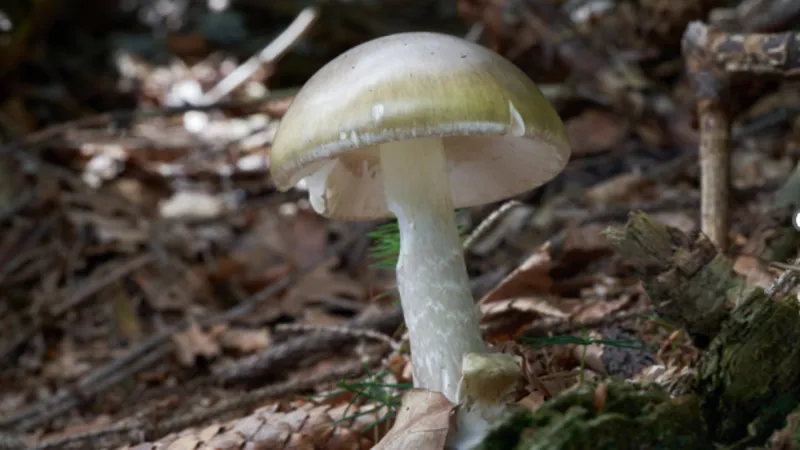

California Death Cap Poisonings Rise: 1 Dead, 21 Affected
California health officials warn of a spike in amatoxin poisoning from death cap mushrooms in Northern California, urging residents not to forage or consume wild fungi this season.
Health officials in California are warning residents to skip foraging for wild mushrooms after a spike in dangerous poisonings tied to the death cap species. The outbreak, centered in the northern part of the state, has led to multiple hospitalizations and at least one fatality.
What happened
The California Poison Control System documented 21 amatoxin poisonings between mid November and early December, with most cases around the Monterey region and the San Francisco Bay Area. Wet conditions during that period created ideal growing conditions for the deadly mushrooms to appear, especially near oak and other hardwood trees and nearby pines. While most cases are in the north, health officials warn that the danger extends statewide.
Understanding the death cap
The death cap mushroom contains powerful toxins that can cause irreversible liver damage. It is commonly mistaken for edible varieties because of its look and taste, and cooking does not remove the danger.
Signs, timing, and treatment
Eating these mushrooms can trigger severe stomach symptoms—diarrhea, nausea, vomiting, and abdominal pain—within about 6 to 24 hours, often with dehydration. Symptoms may briefly subside, but liver injury can progress and become life-threatening up to a week after exposure, sometimes requiring urgent medical care or even a liver transplant.
Public guidance
Experts emphasize that foraging should be avoided during this high-risk period. Only trained professionals should handle or eat wild mushrooms gathered in natural areas.
Dr Erica Pan, Director of the California Department of Public Health, stressed that death caps closely resemble edible mushrooms, underscoring the recommendation to avoid foraging entirely this season.
Dr Edward Moreno, Monterey Health Officer, added that toxins survive cooking, washing, or freezing, making professional assessment essential when there is any suspected exposure.
Summary: The recent cases highlight the danger of misidentifying wild mushrooms. Health authorities urge the public to avoid foraging, recognize poisoning signs, and seek prompt medical help if exposure is suspected. The situation remains a statewide concern, not limited to the Monterey and Bay Area regions.
Key takeaway: Do not forage for wild mushrooms, as death cap toxins can lead to severe liver failure even if early symptoms fade. Source: BBC News.